FSD strengthens Ukraine’s mechanical demining capacity with new SECO-funded project
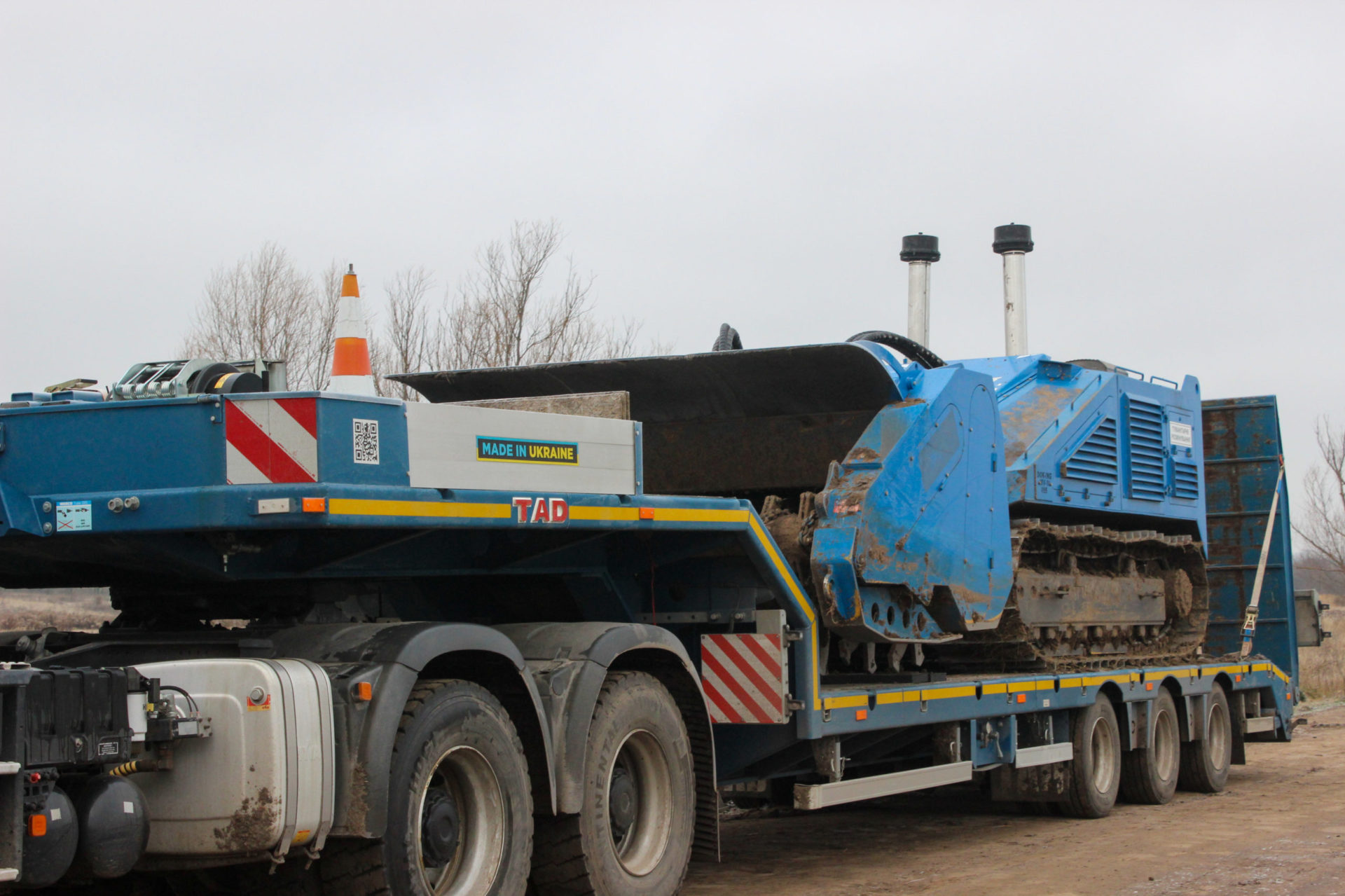
FSD has launched a new project funded by the Swiss State Secretariat for Economic Affairs (SECO) to help the State Emergency Service of Ukraine (SESU) maintain, repair and upgrade its fleet of demining machines. With a total value of CHF 7.1 million, the initiative aims to build a sustainable national capacity for repair and innovation of demining machines — a crucial step to ensure Ukraine’s long-term ability to carry out safe and efficient mine clearance operations.
A new repair workshop and sustainable technical capacity
At the heart of the project is the rehabilitation and enhancement of a specialised repair workshop in Poltava, where damaged demining machines will be overhauled and returned to the field. The facility will be equipped with heavy tools, spare parts and diagnostic systems, enabling SESU to maintain its fleet of nearly 100 demining machines, some of which are no longer under warranty.
Over the next three years, FSD experts will mentor SESU personnel directly in the repair and upkeep of demining machines, from maintenance routines to spare-parts management. This training will enable SESU technicians to service multiple machine types, reducing costs and limiting reliance on international supply chains.
This project isn’t about adding new machines – it’s about repairing and maintaining the ones Ukraine already has, so they can return to the field and continue saving lives. By investing in SESU’s technical capacity, Switzerland is helping Ukraine strengthen its own demining response.

FSD Director
“The refurbished Poltava workshop will allow SESU to carry out complex repairs — from engine overhauls to hydraulic maintenance — entirely in Ukraine,” added Olivier Shu, FSD Programme Manager in Ukraine. “It’s a major step towards SESU’s self-sufficiency and faster, safer mechanical clearance operations.”
Innovation to increase safety and precision
In addition to the repair and training components, the project will explore new technologies to improve the safety and precision of mechanical demining. Together with Ukrainian and international partners, FSD and SESU will test drone-based mapping and sensor systems to better assess terrain and detect obstacles before mechanical clearance operations begin.
FSD’s mechanical demining experts — already working with SESU since 2023 — will support these trials and training, ensuring the transfer of knowledge to Ukrainian engineers and operators. Over time, national teams will assume full ownership of the project’s technical functions.
Complementing FSD’s ongoing humanitarian demining work across Ukraine
In parallel with this new SECO-funded project, FSD continues its humanitarian mine action activities across Ukraine, including demining, risk education, and capacity-building. More than 570 staff members are currently deployed across the Chernihiv, Kharkiv, Donetsk, and Kherson regions.
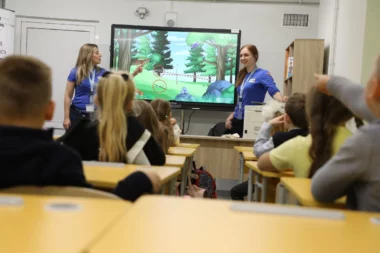
Through its SDC-funded project in Kharkiv, FSD clears minefields and former battle areas, supports a local NGO in developing mine action capacities, and provides risk education in schools and communities.
“This new project complements our ongoing humanitarian demining work,” noted Eberle. “Together, SECO’s support for long-term capacity building and SDC’s funding enable FSD to contribute both to Ukraine’s immediate recovery and to its future self-reliance.”
Since June 2022, FSD teams have cleared over 3.5 million square metres of land, surveyed more than 127 million square metres, and delivered risk education to over 450,000 people.
Responding to an urgent national need
Ukraine remains one of the countries most contaminated by landmines and unexploded ordnance in the world. SESU’s 98 mechanical demining vehicles have already cleared more than 2,700 hectares of land, but the intensity of operations and the aging fleet pose significant maintenance challenges.
FSD has been working closely with SESU since 2023, providing technical support, training, and innovative solutions. The repair hub in Poltava directly responds to SESU’s requests for long-term support to sustain and modernise its demining capacity.
Latest news
View all
Beyond demining: preparing to hand over the reins
Faced with this reality, FSD — with the support of Switzerland — is working on two fronts: clearing land today,…
Humanitarian demining Prevention and risk education Ukraine
Reinforcements in Ukraine: our new four-legged recruits have arrived!
These Malinois and German Shepherds, with their exceptional sense of smell, are currently acclimatising with their handlers to adjust to their…
Mine detection dogs Humanitarian demining Ukraine
Accidental explosions: what are the high-risk behaviours?
While almost one in three countries in the world is contaminated by landmines and explosive remnants of war, thousands of…
Children Prevention and risk education Ukraine