We use audience measurement tools (such as Google Analytics 4 and Clarity), via Google Tag Manager, to understand how the website is used and to improve it. The data are used for statistical purposes only and are not used for targeted advertising.
A mined cemetery rehabilitated in Iraq

Ten years ago, the village of Kubaiba fell into the hands of the Islamic State group. Located north-west of Kirkuk in Iraq, on the front line, the village was the scene of intense fighting. Some of its residents tried to flee, but not all managed to escape. Thirty-five people were killed in the explosion of improvised mines.
Today, Kubaiba is once again at peace. Although the village has not yet regained its original population of 2500, inhabitants are gradually returning and rebuilding their lives. However, nearly all the buildings and infrastructure are in ruins, and part of the village is still mined.
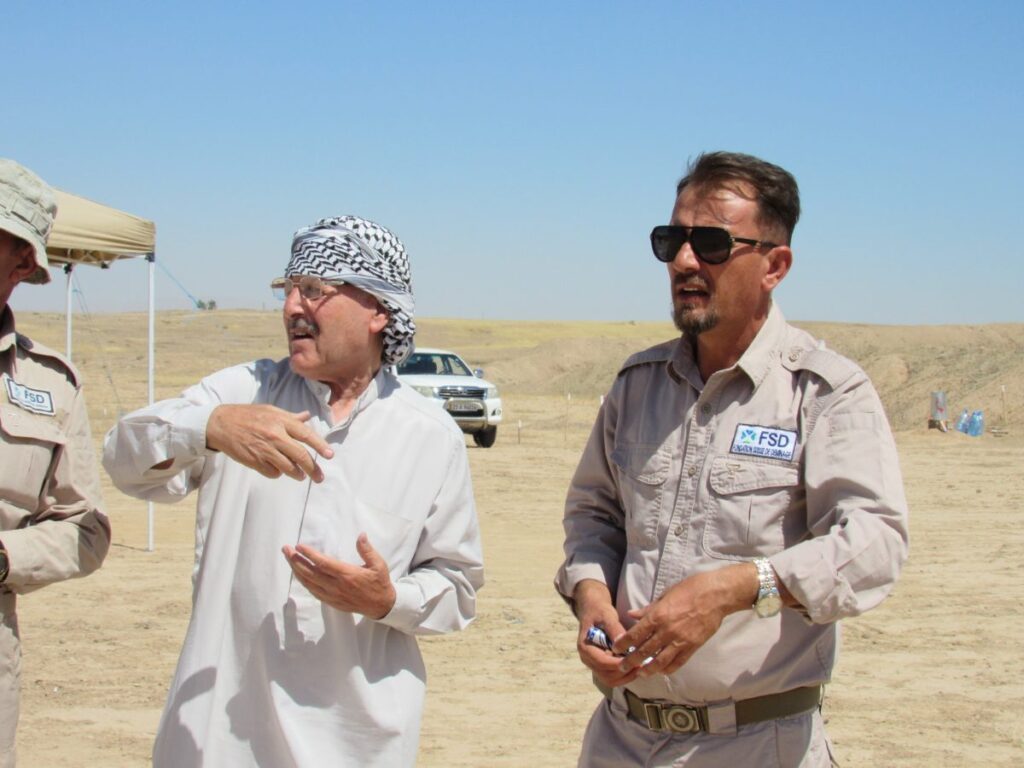
The cemetery, where the thirty-five mine victims are buried, was until recently littered with improvised explosive devices. The path to the cemetery was completely mined, preventing families from paying their respects to their loved ones.
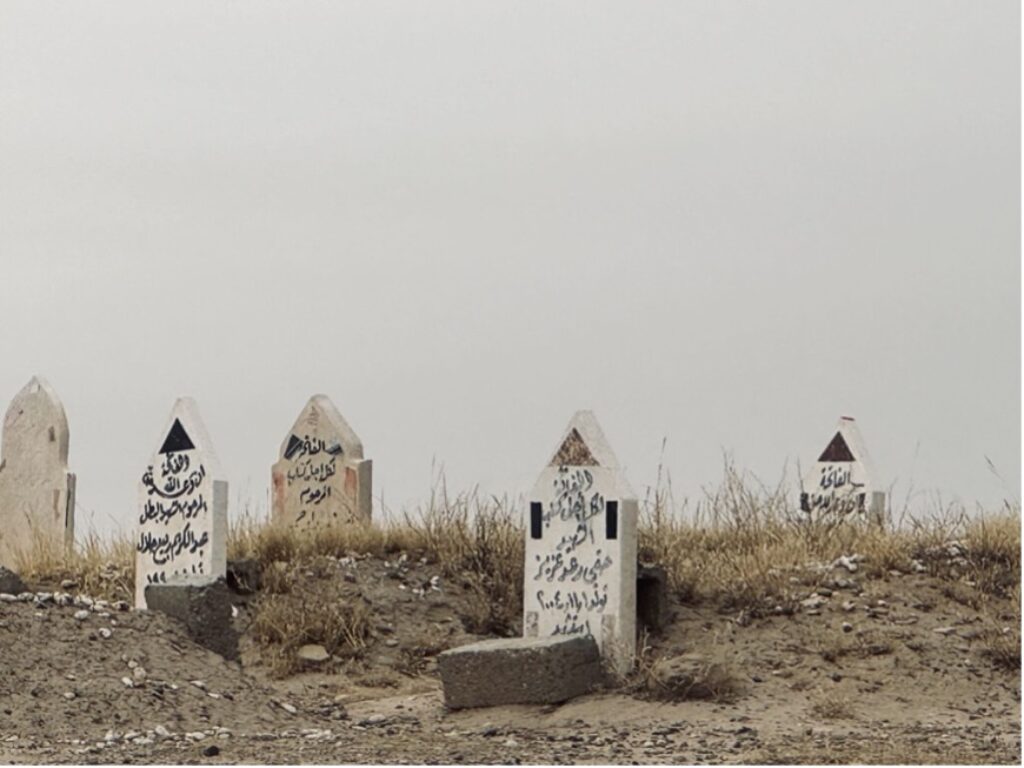
FSD demining teams began clearing mines in the village of Kubaiba in April 2024. To date, one-fifth of the mined area has been verified and mapped, and more than 110 improvised landmines and explosive remnants of war have been removed. Notably, the cemetery has now been cleared of mines and is being restored, allowing families to pay their respects once again.

But the work is not yet complete. Around twenty FSD deminers are still carefully inspecting the village, centimetre by centimetre, so that residents can move around safely again and begin to look to the future with hope.
View all

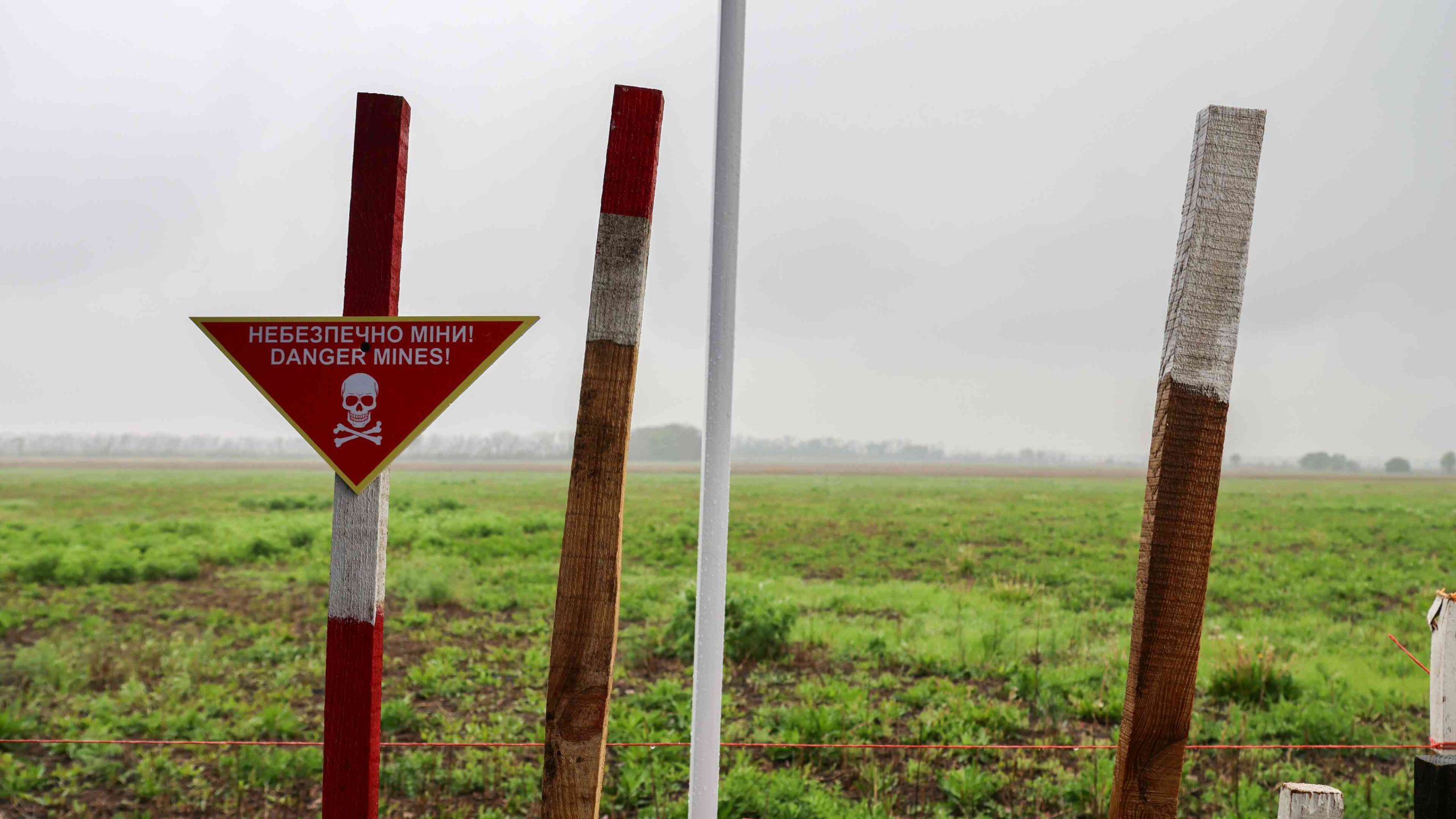
FSD’s Mine Action Programme in Ukraine
Complete Ukraine brochure (March 2026) – PDF Our ongoing operations – March 2026 As of March 2026, more than 450…
Humanitarian demining Non catégorisé Ukraine
Interview with Olivier Shu – La Ligne de cœur (RTS La Première)
▶️ Listen now © Interview broadcast on RTS La Première, in the programme La Ligne de cœur About Olivier A demining expert…
Landmines and explosive remnants Machines, drones and technology Humanitarian demining Non catégorisé Ukraine
Mindanao: A New Operational Centre Enabling a Rapid Response to Explosive Risks
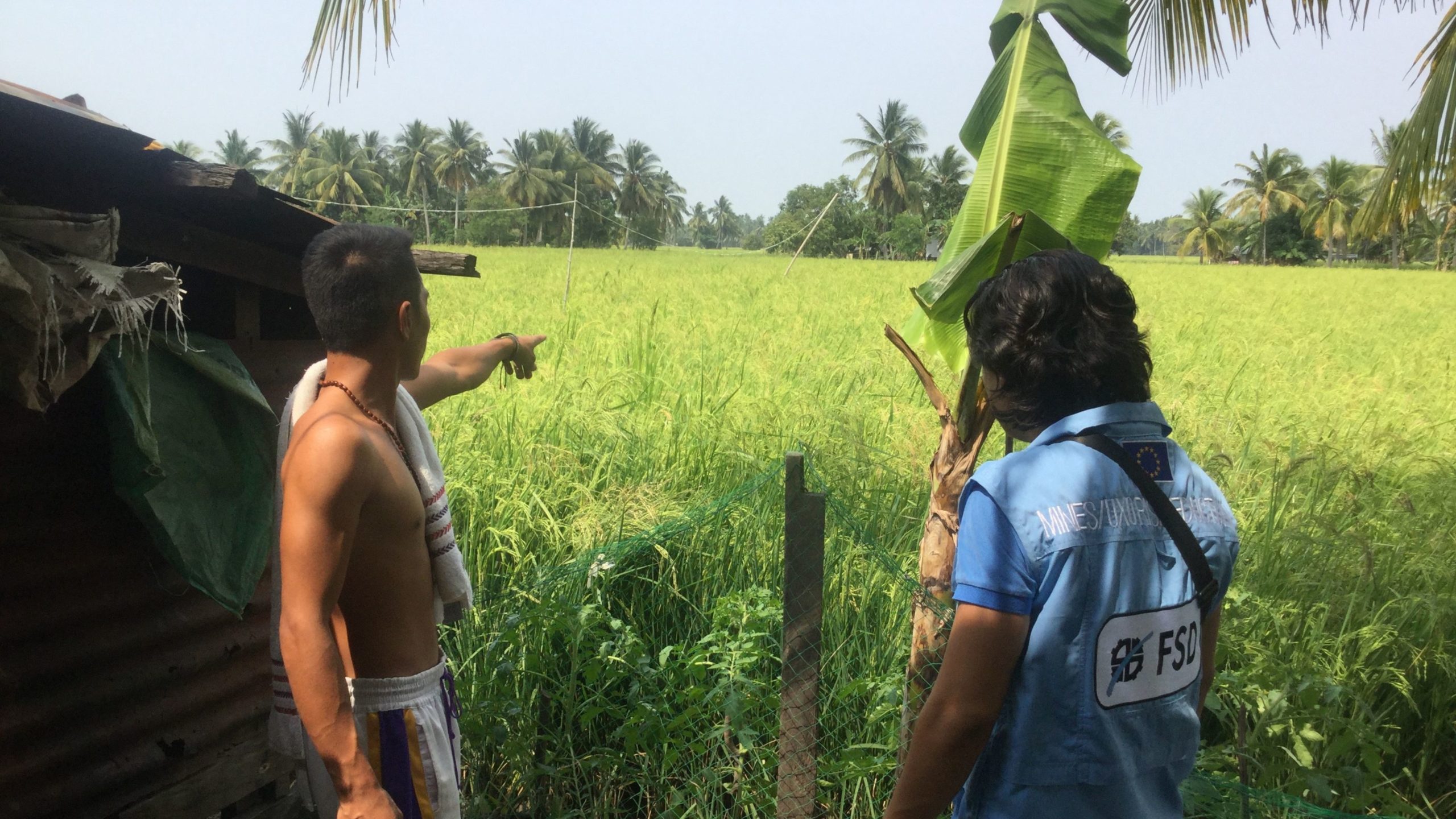
Until recently, many residents were reluctant to report the presence of these items, due to fear, mistrust, or a lack…
Humanitarian demining Non catégorisé Philippines