We use audience measurement tools (such as Google Analytics 4 and Clarity), via Google Tag Manager, to understand how the website is used and to improve it. The data are used for statistical purposes only and are not used for targeted advertising.
Bosnia and Herzegovina
Mine Action
Humanitarian demining
From 1997 to 1999, FSD conducted two humanitarian demining projects in Sarajevo, in partnership with the United Nations Mine Action Centre.
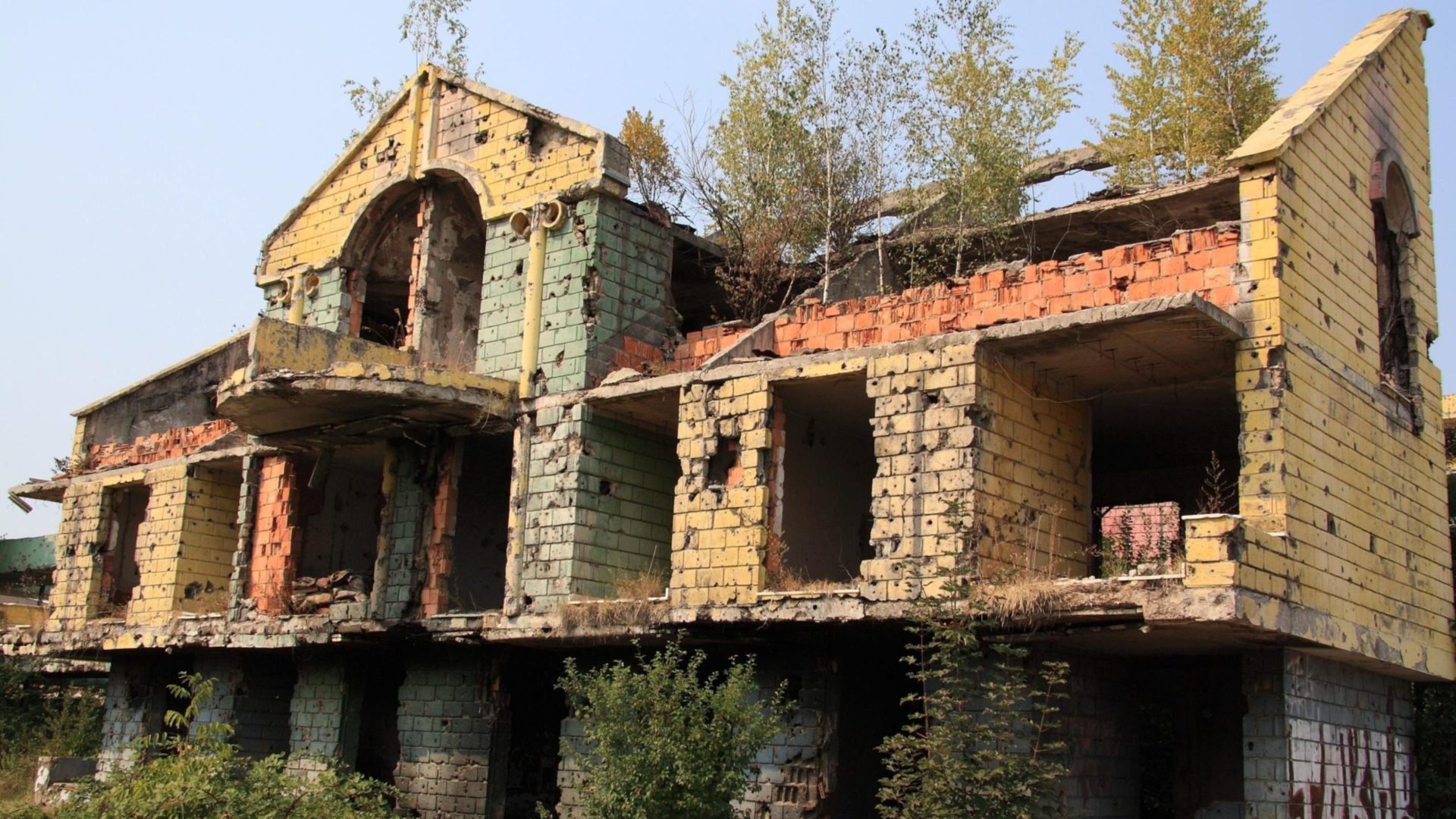
Sarajevo confronted with explosive remnants of war
The war in Bosnia and Herzegovina (1992–1995) left the capital and its surroundings heavily contaminated with landmines and explosive remnants of war. By the end of the siege, vast areas were littered with anti-personnel mines and unexploded shells. The hills surrounding Sarajevo — once front lines — were particularly affected, rendering many neighbourhoods inaccessible and exposing residents to constant danger, slowing reconstruction efforts.
FSD in Bosnia and Herzegovina
2
humanitarian demining projects
16
local deminers trained and deployed
Training and employing local deminers
Bosnia and Herzegovina was the site of FSD’s first field project. The initiative began in 1997 after a call on Swiss radio to train refugees in humanitarian demining techniques. Over two years of operations, FSD deployed and supervised local teams, helping to reduce risks in densely populated areas and make the city safer. These early missions laid the foundations of FSD’s operational expertise, built on the training of local staff, technical rigour and international cooperation.
From Bosnia to Ukraine
Discover our story
For nearly 30 years, FSD has been working to make land safer. Explore the key milestones of our humanitarian work since our first demining operation in 1998.
Latest news from FSD
View all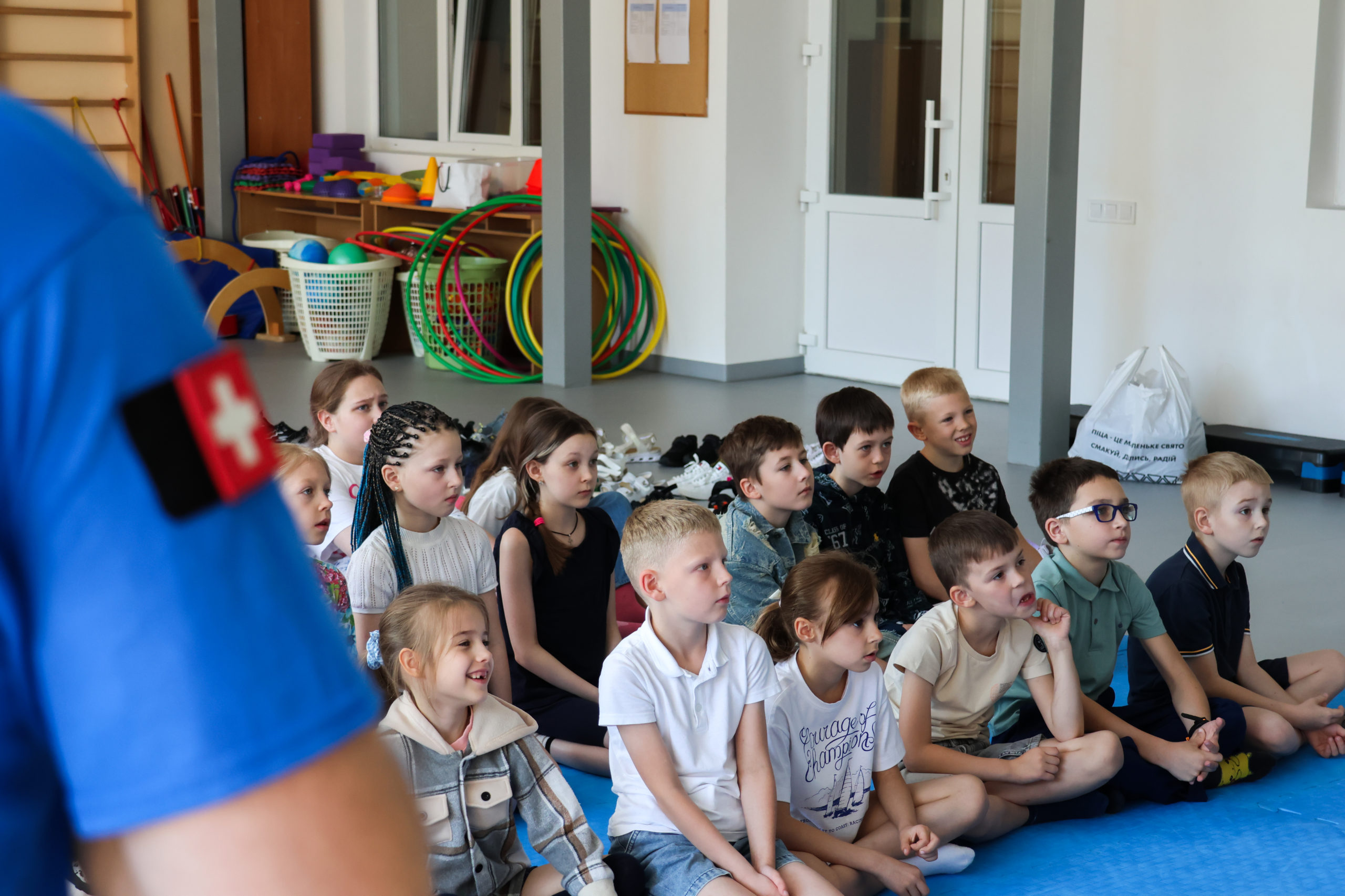
FSD’s Mine Action Programme in Ukraine
Complete Ukraine brochure (March 2026) – PDF Our ongoing operations – March 2026 As of March 2026, more than 450…
Humanitarian demining Non catégorisé Ukraine
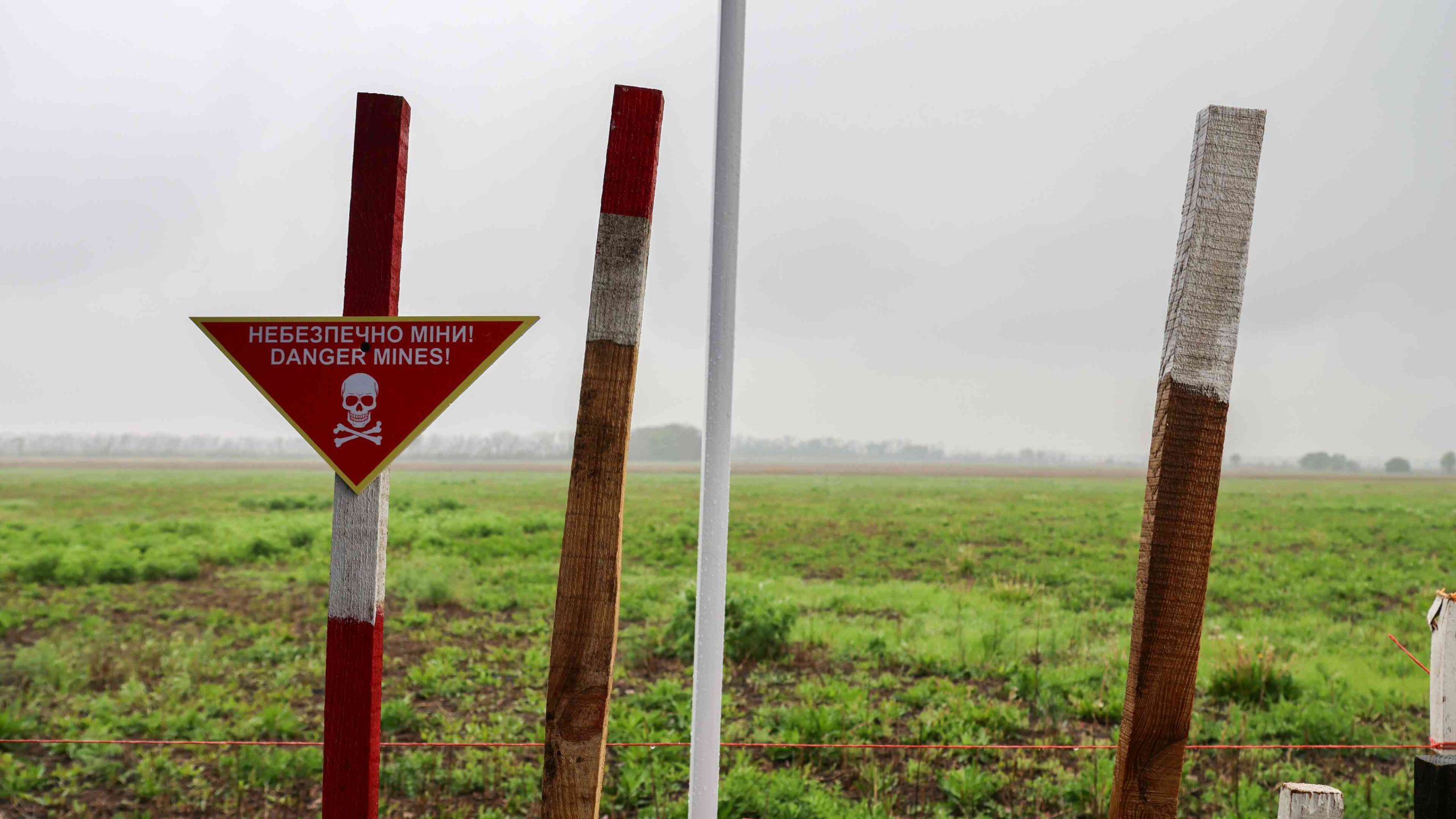
Interview with Olivier Shu – La Ligne de cœur (RTS La Première)
▶️ Listen now © Interview broadcast on RTS La Première, in the programme La Ligne de cœur About Olivier A demining expert…
Landmines and explosive remnants Machines, drones and technology Humanitarian demining Non catégorisé Ukraine
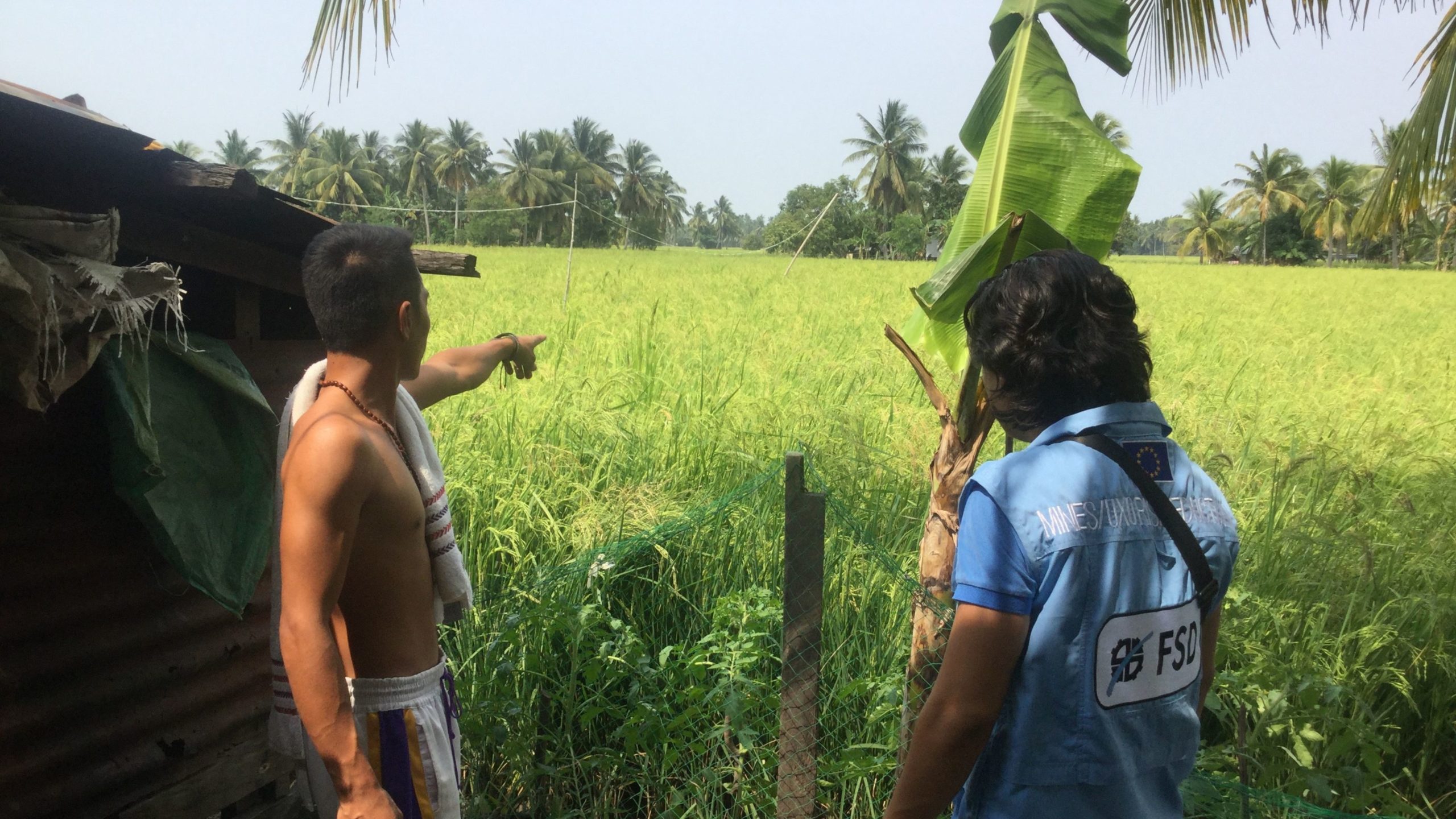
Mindanao: A New Operational Centre Enabling a Rapid Response to Explosive Risks
Until recently, many residents were reluctant to report the presence of these items, due to fear, mistrust, or a lack…
Humanitarian demining Non catégorisé Philippines