We use audience measurement tools (such as Google Analytics 4 and Clarity), via Google Tag Manager, to understand how the website is used and to improve it. The data are used for statistical purposes only and are not used for targeted advertising.
Libya
Mine Action
Humanitarian demining Stockpile destruction
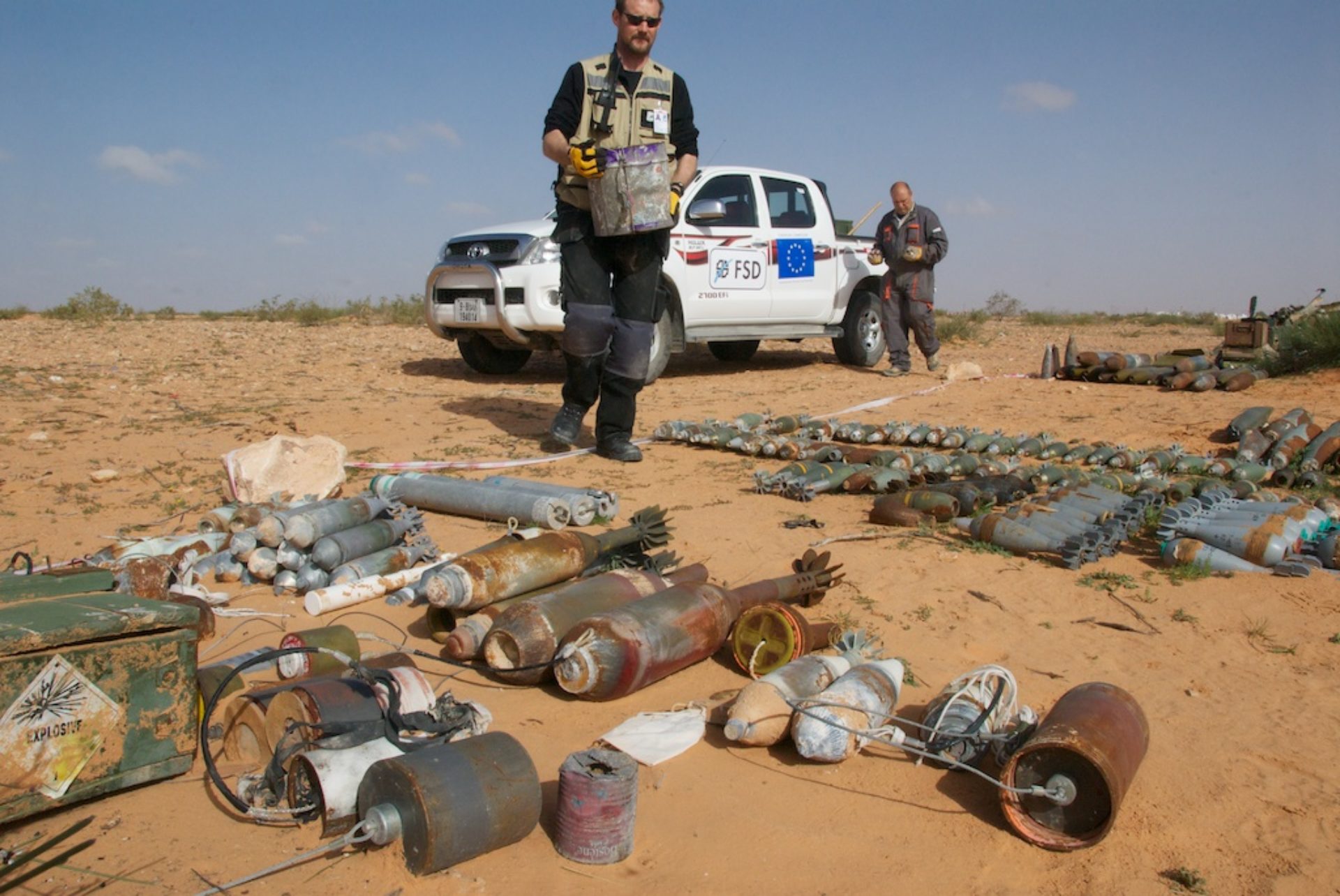
From 2011 to 2014, FSD supported humanitarian demining in Libya and the management of weapons and ammunition stockpiles, helping to reduce risks for local communities.
A widespread contamination
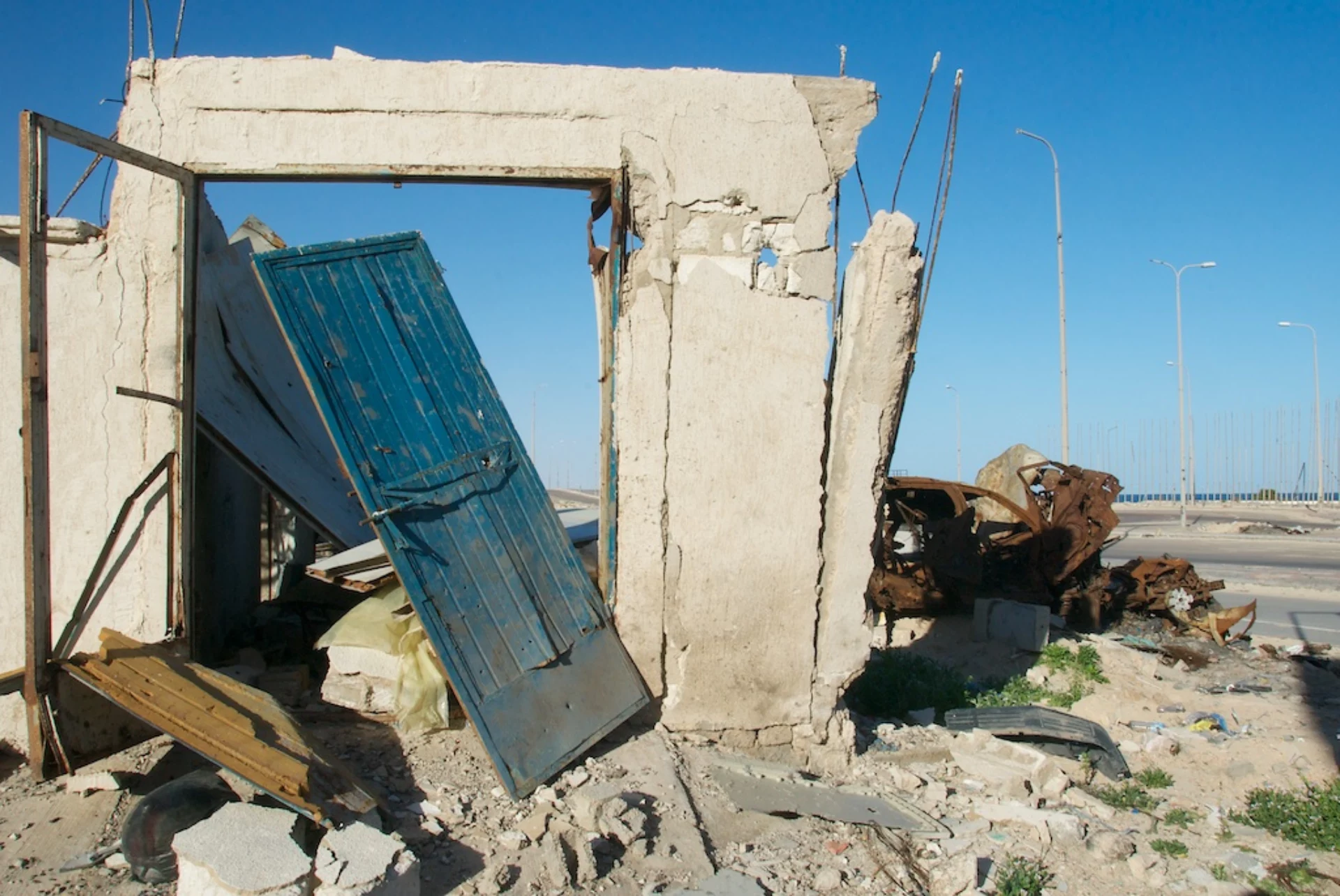
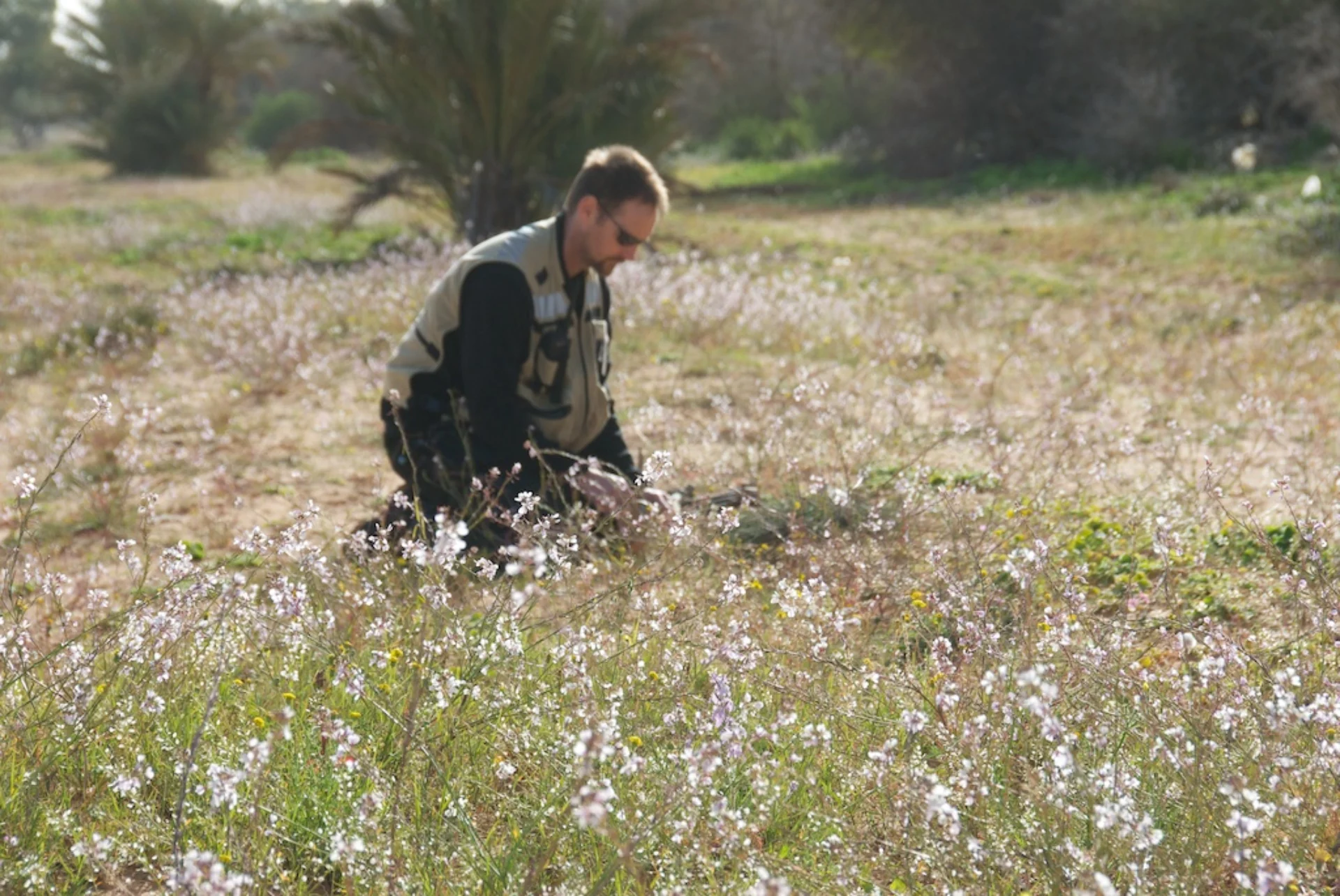
Following the first Libyan conflict in 2011, the country became heavily contaminated with landmines and explosive remnants of war. The proliferation of weapons and ammunition stored in unsecured depots further increased the risks to the population and fuelled regional instability.
A coordinated and targeted response
As a member of the Joint Mine Action Coordination Team, alongside the United Nations and other NGOs, FSD deployed two emergency demining teams as early as 2011. In 2012, the teams focused their efforts in Sirte, where every house and every street was cleared following intense fighting.
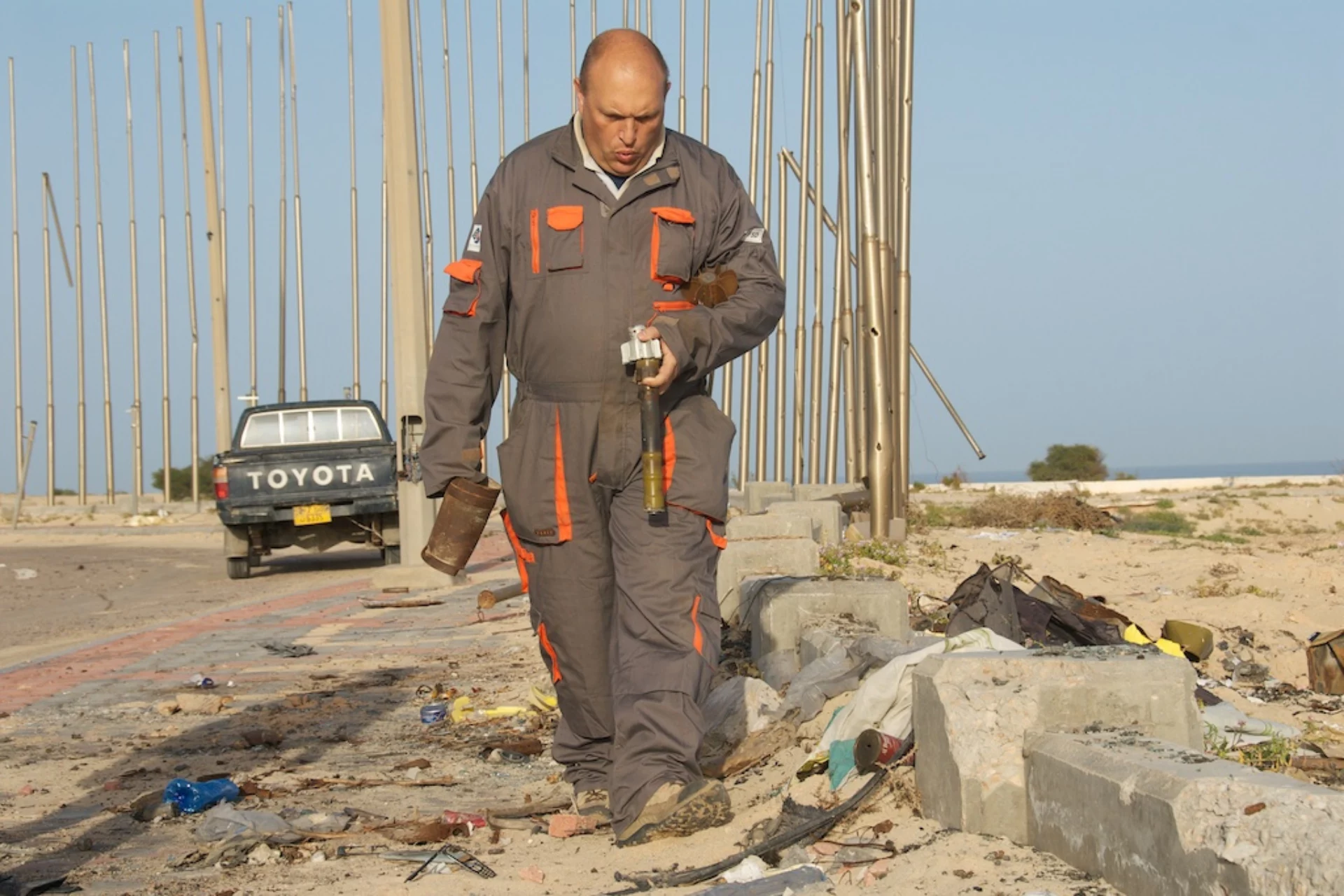
From 2013 to 2014, operations continued from Tripoli, combining humanitarian demining with the management of weapons and ammunition stockpiles in Hun and Waddan. These activities included training and technical assistance to reduce the risk of looting or accidental explosions caused by poor stockpile management. From Benghazi, FSD also conducted a nationwide survey of former ammunition depots.
Throughout its operations, FSD delivered explosive ordnance risk education sessions to raise awareness of explosive hazards and prevent accidents.
Our impact in Libya
+112,000
explosive items neutralised
+22,000
sub-munitions destroyed
+5,400,000
square metres of land cleared
Demining and capacity building for a lasting impact
FSD’s activities have led to the destruction of tens of thousands of explosive devices, significantly reducing risks to civilians. The training provided has strengthened the capacities of Libyan forces in managing weapons and ammunition stockpiles for destruction, thereby helping to prevent further incidents and improve long-term safety.
From Bosnia to Ukraine
Discover our story
For nearly 30 years, FSD has been working to make land safer. Explore the key milestones of our humanitarian work since our first demining operation in 1998.
Latest news from FSD
View all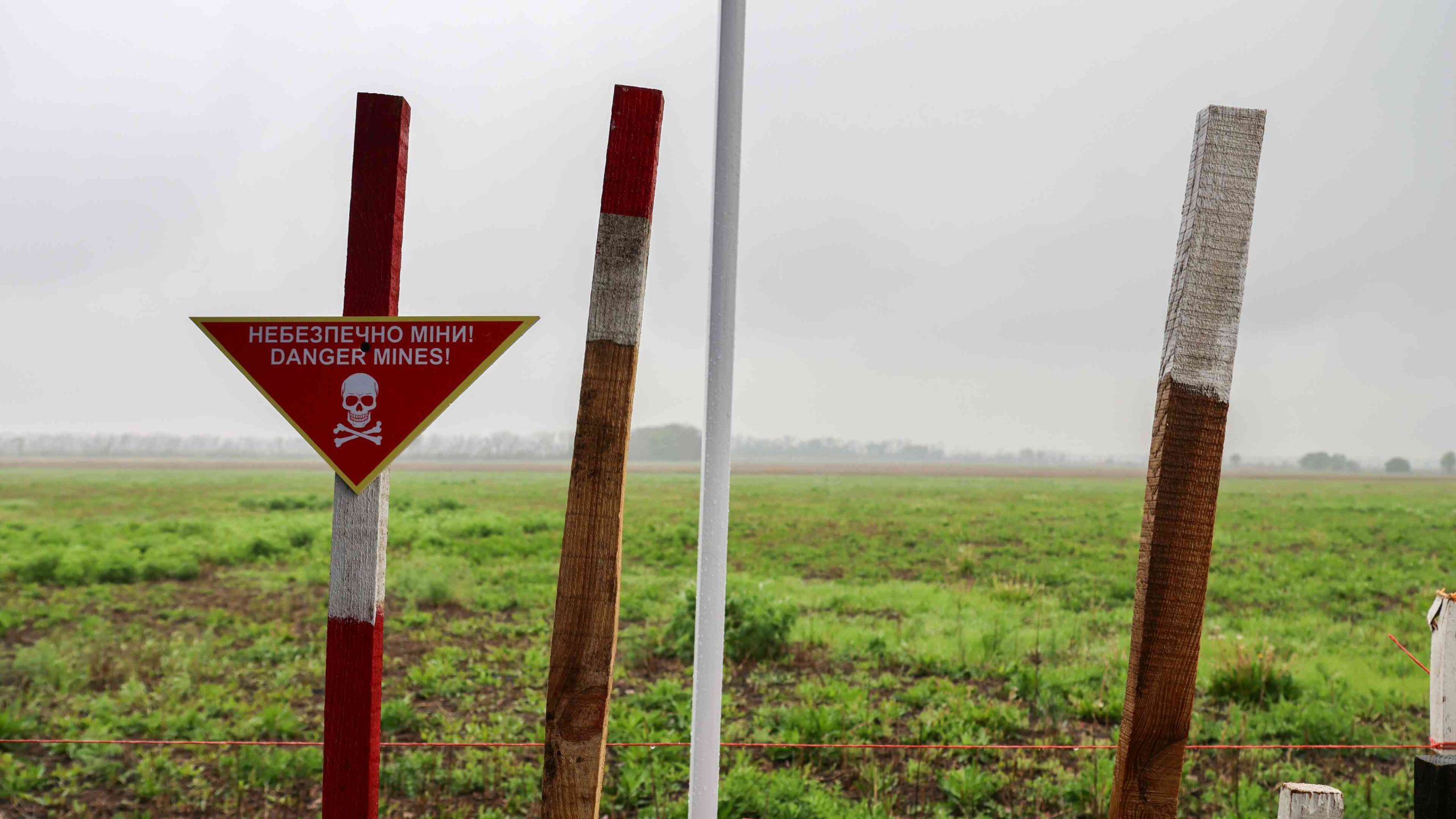
Interview with Olivier Shu – La Ligne de cœur (RTS La Première)
▶️ Listen now © Interview broadcast on RTS La Première, in the programme La Ligne de cœur About Olivier A demining expert…
Landmines and explosive remnants Machines, drones and technology Humanitarian demining Non catégorisé Ukraine
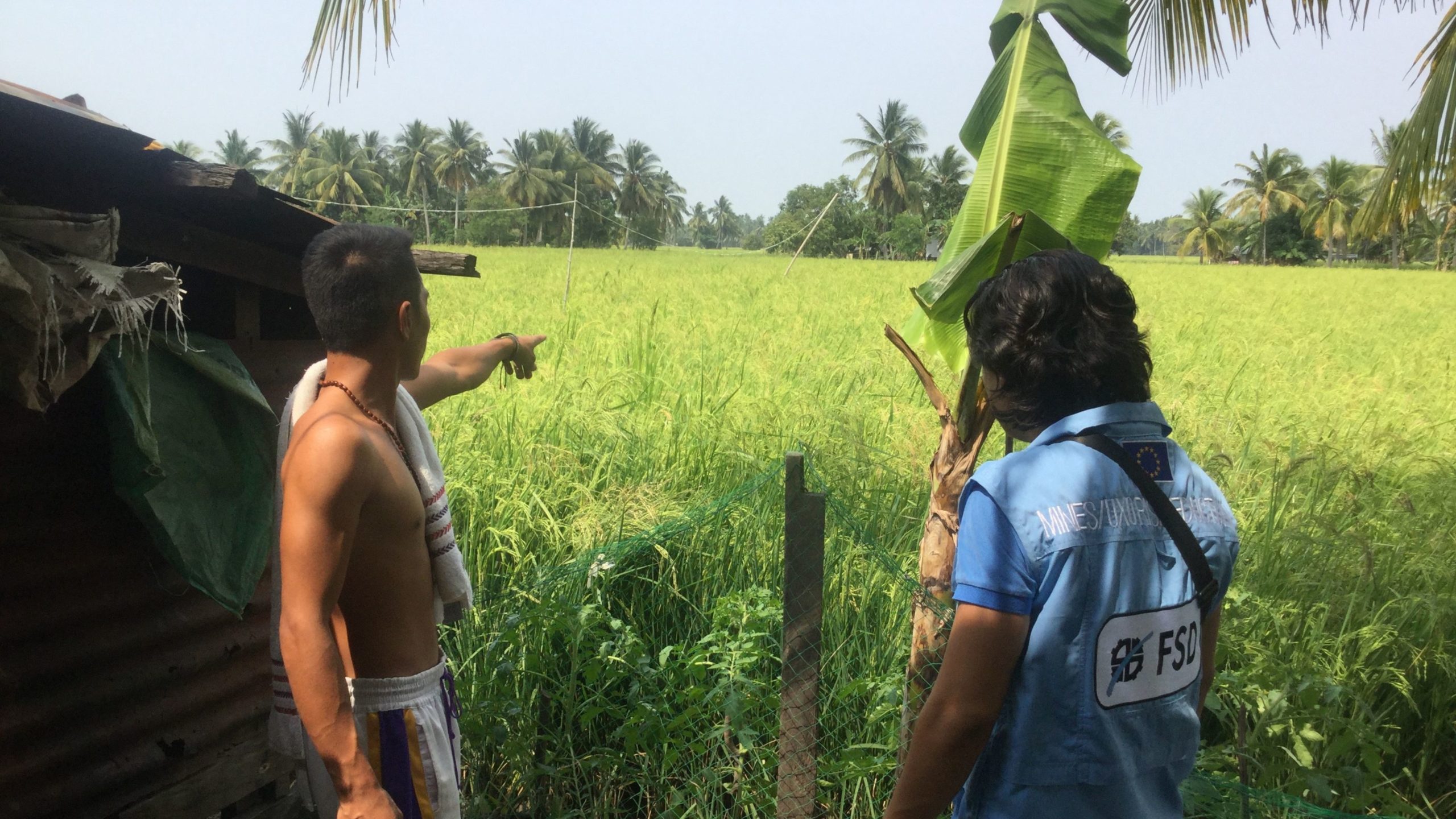
Mindanao: A New Operational Centre Enabling a Rapid Response to Explosive Risks
Until recently, many residents were reluctant to report the presence of these items, due to fear, mistrust, or a lack…
Humanitarian demining Non catégorisé Philippines
QR Codes to Save Lives
In Kharkiv province, Ukraine, residents live every day with the invisible yet very real presence of explosive remnants of war. FSD…
Prevention and risk education