We use audience measurement tools (such as Google Analytics 4 and Clarity), via Google Tag Manager, to understand how the website is used and to improve it. The data are used for statistical purposes only and are not used for targeted advertising.
Colombia
Sustainable Development Mine Action
Strengthening resilience to climate change Capacity building Victim assistance
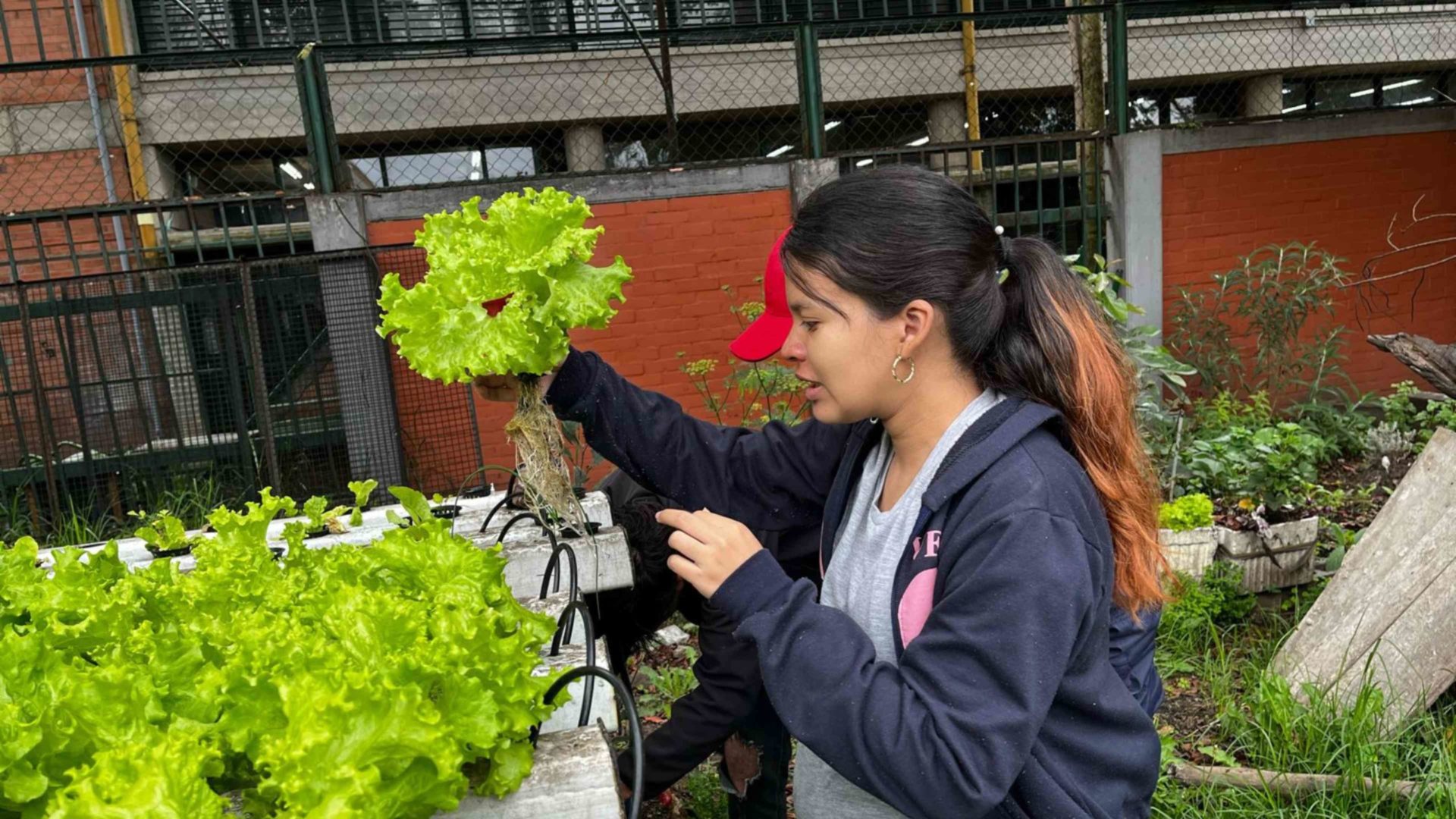
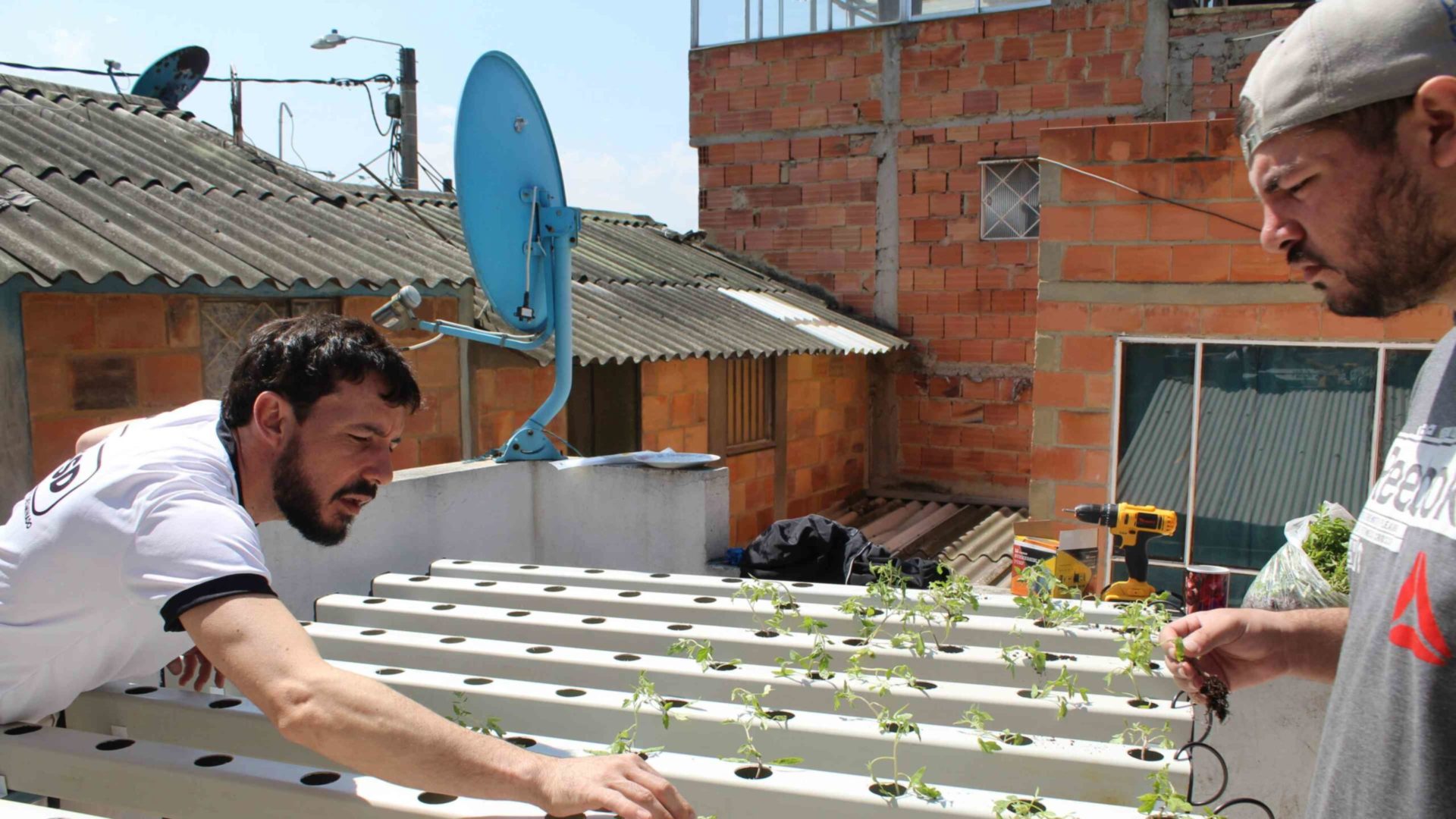
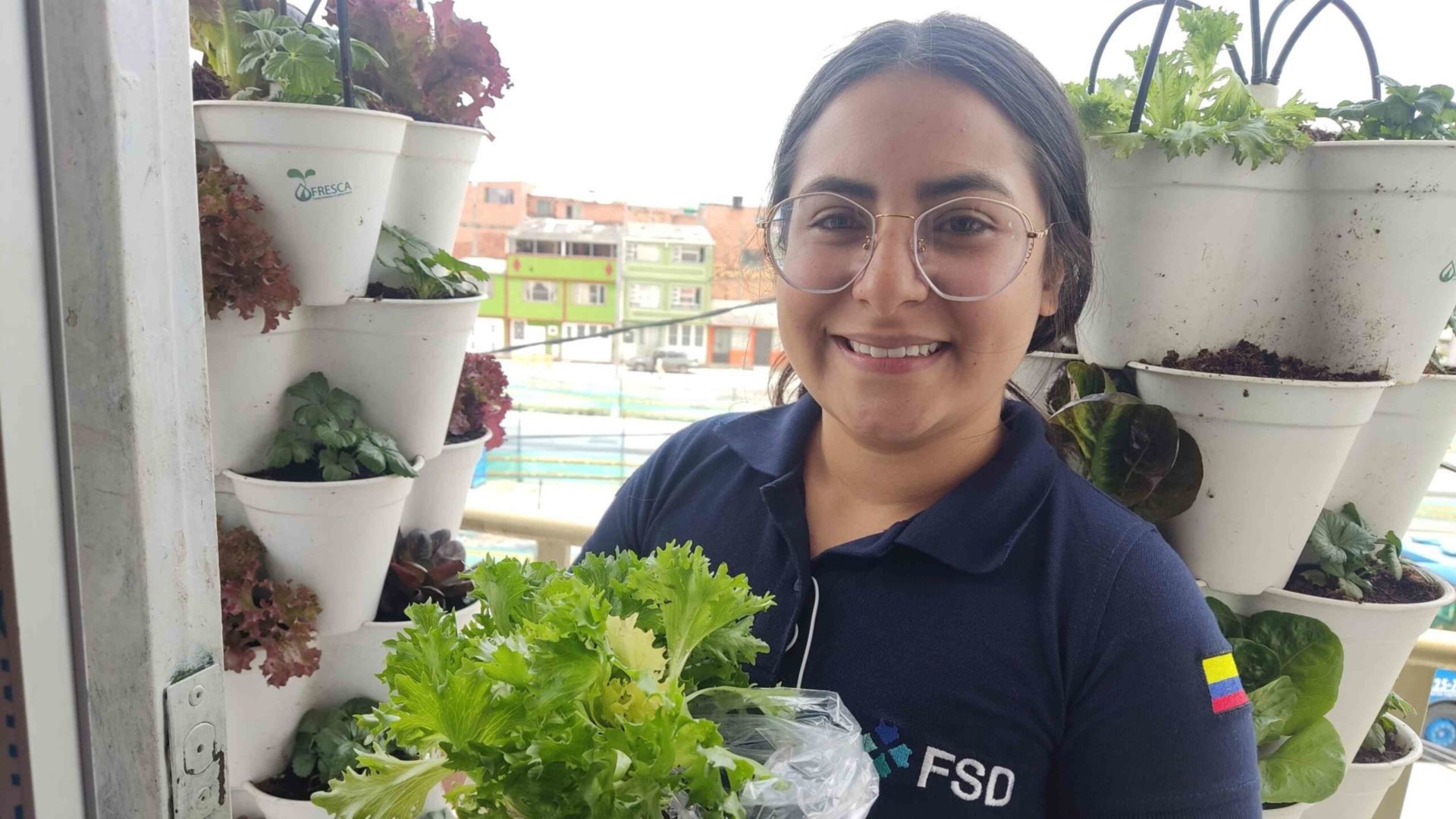
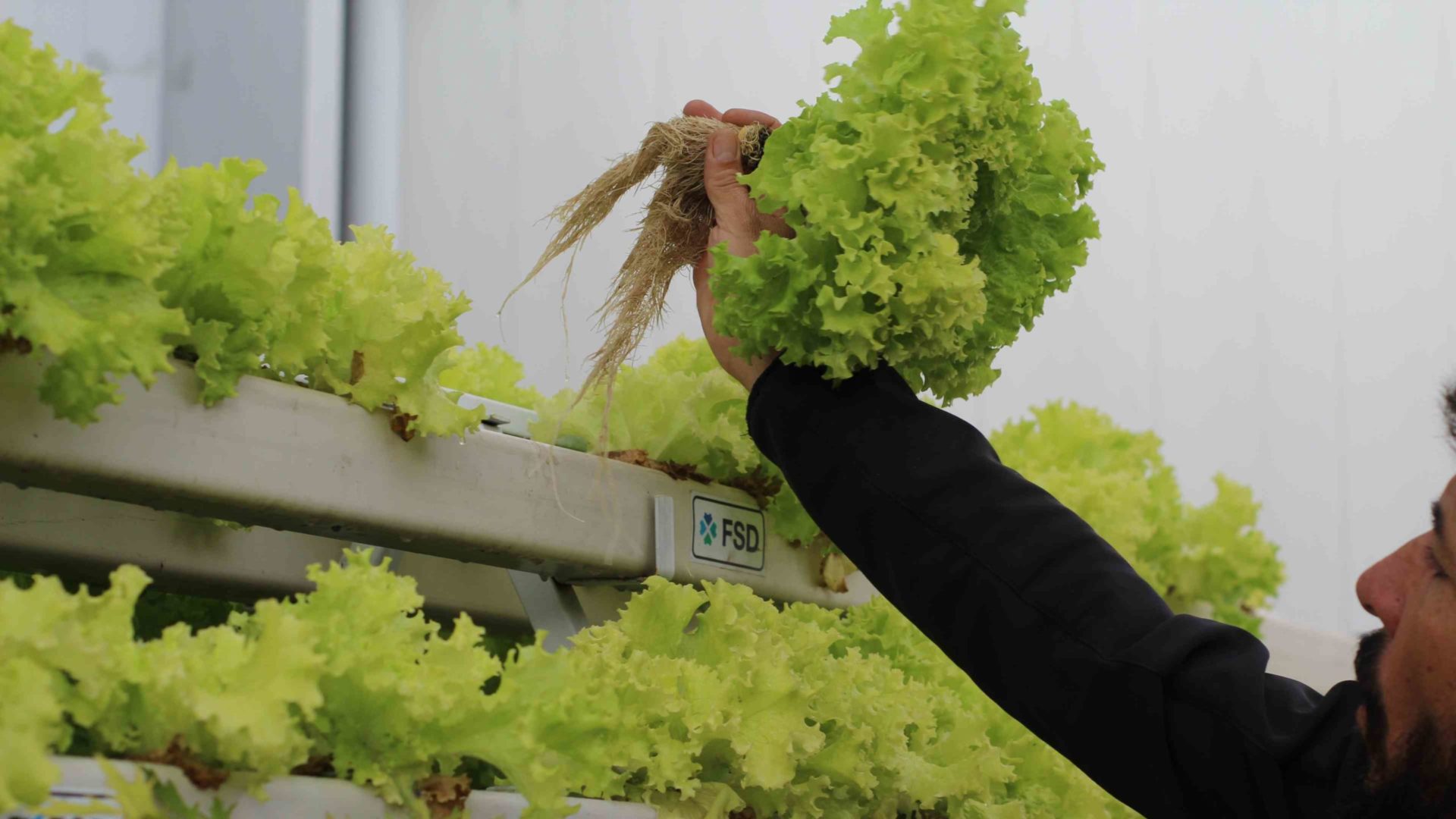
In Colombia, FSD supports the socio-economic reintegration of mine and conflict victims through the establishment of hydroponic vegetable gardens.
More than seven million internally displaced
Nearly six decades of civil war have left Colombia heavily contaminated with improvised mines and unexploded ordnance. In 2016, a peace agreement between the government and the FARC armed group marked a major step toward stability. Despite this, explosive remnants continue to limit access to agricultural land and essential services, worsening poverty and restricting opportunities for affected communities. More than seven million Colombians remain displaced, and many survivors of mine accidents face significant economic and social challenges.
Families affected by the armed conflict and mine victims, like me, often struggle to find a work adapted to them.
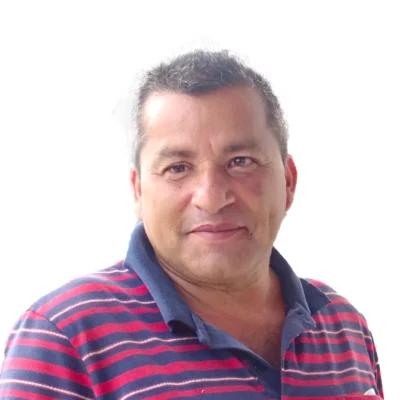
Jair Riviera
Mine accident survivor
Supporting the socio-economic reintegration of people affected by conflict
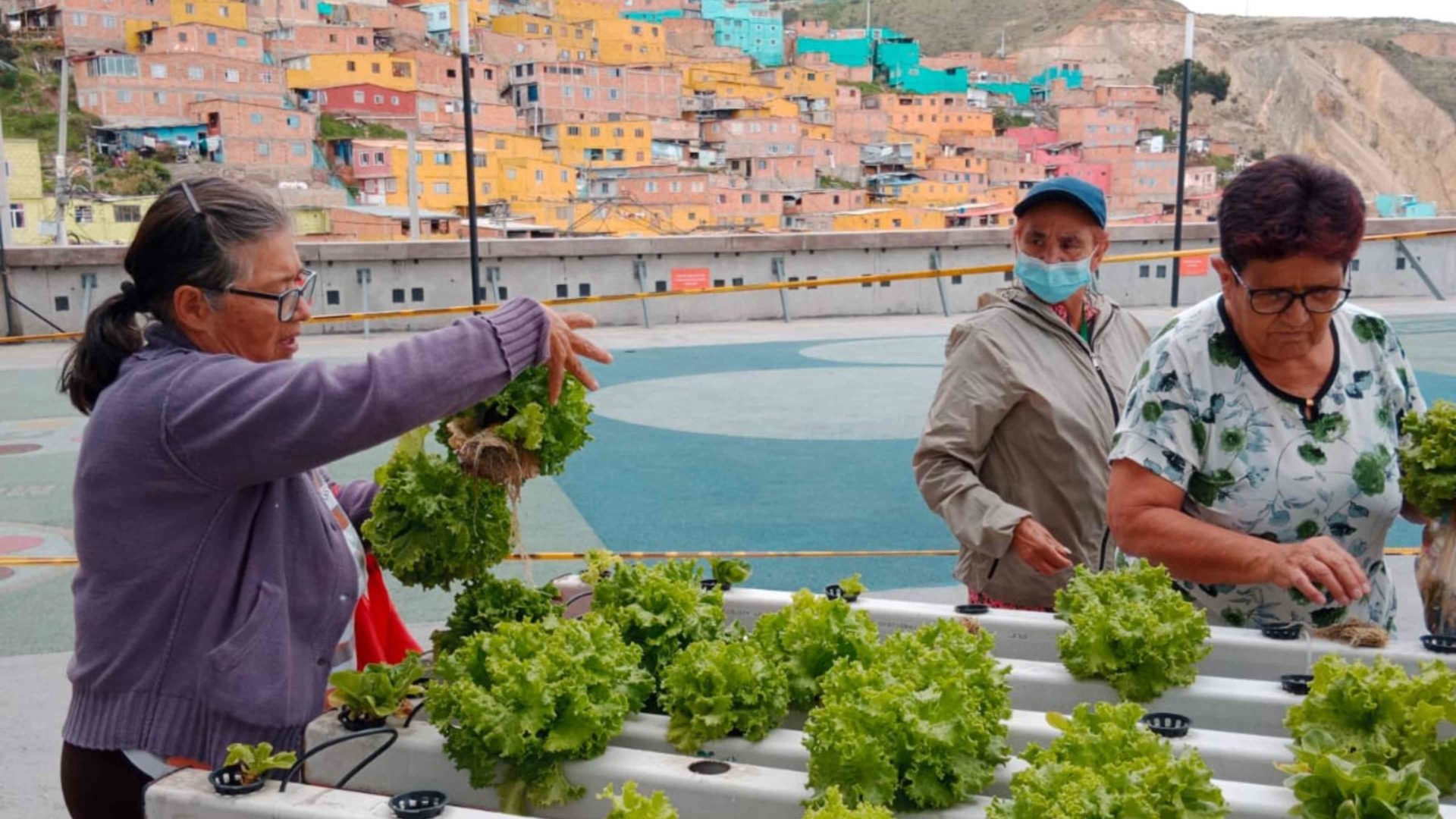
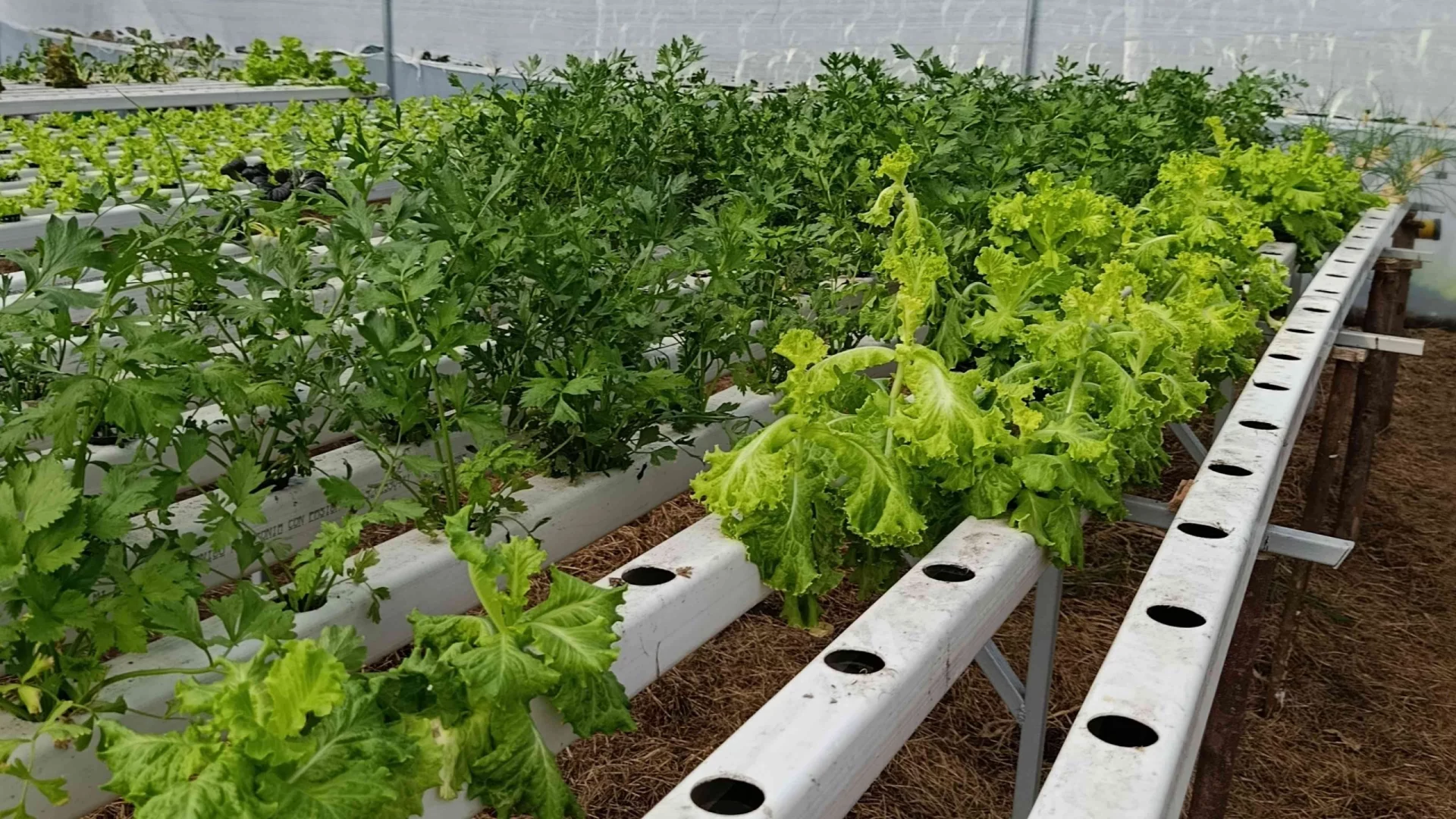
Active in Colombia since 2004, FSD has implemented numerous mine action projects, notably to strengthen the capacities of national authorities. Since 2022, it has supported people affected by the conflict in setting up urban hydroponic gardens in Bogotá, enabling them to grow their own vegetables for consumption or sale. Initially focused on individual balcony systems, the project expanded in 2023 to community-level initiatives, with several victim assistance and reception centres now equipped with hydroponic structures, including those supporting Afro-Colombian communities.
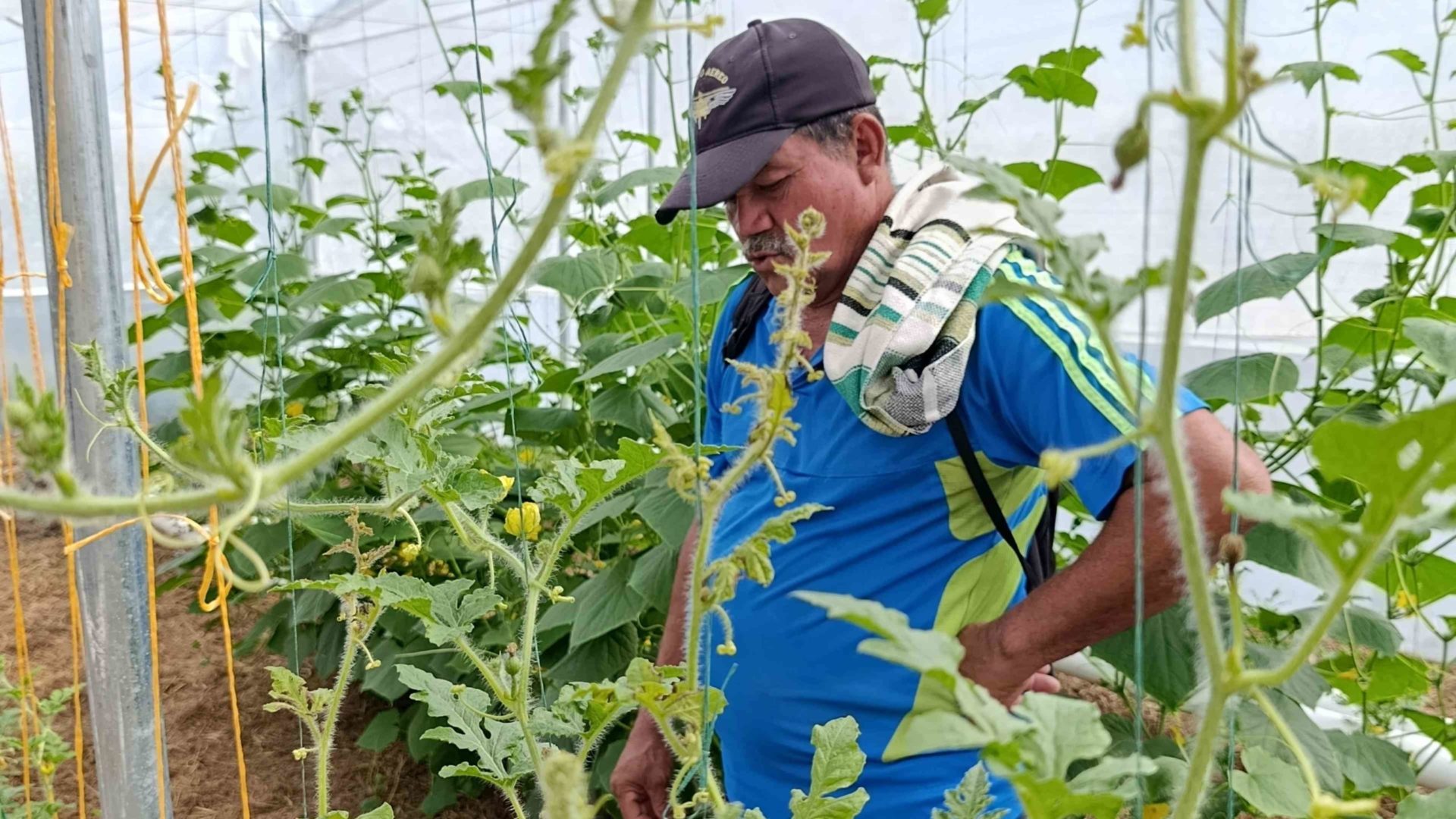
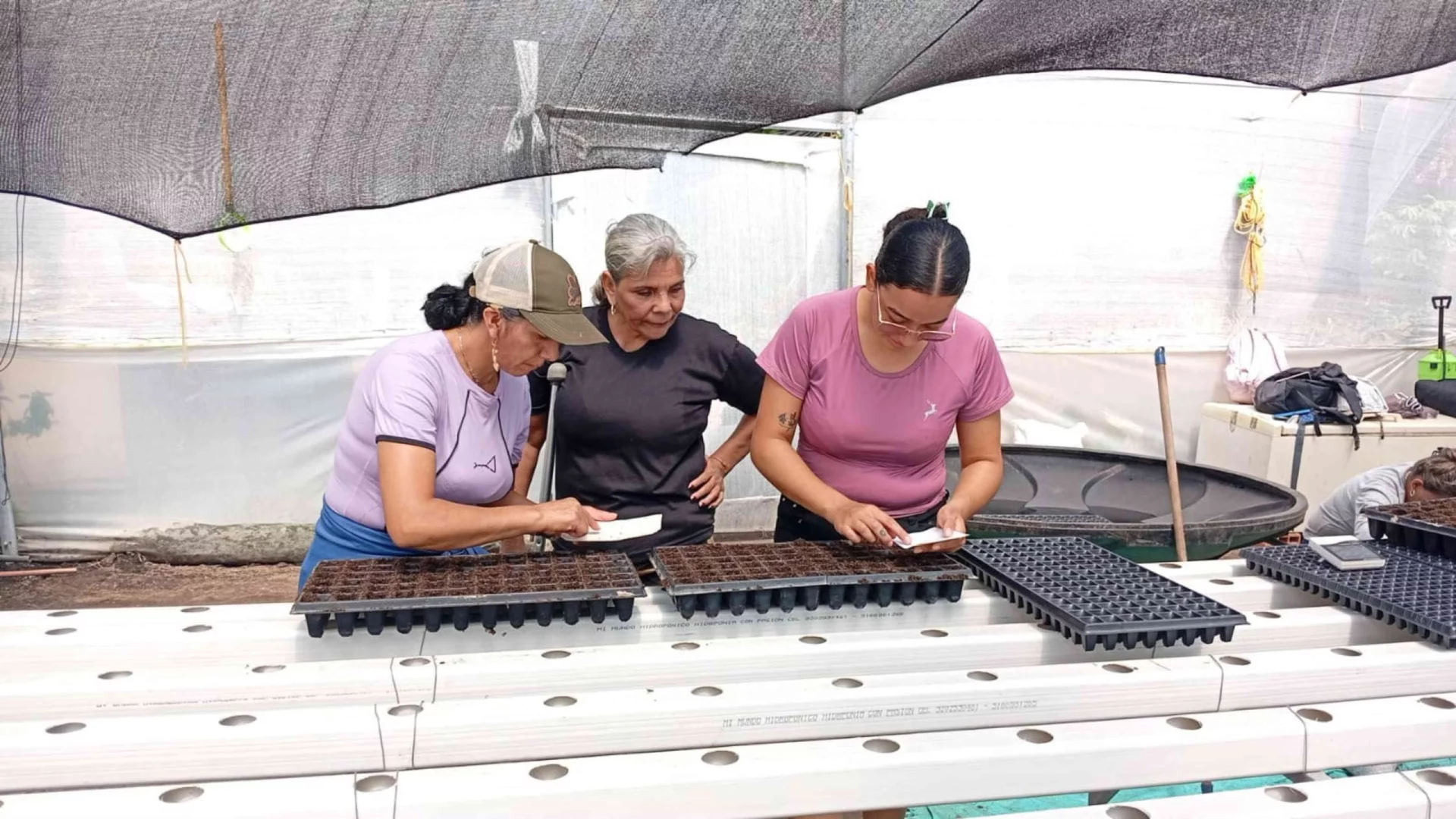
In 2025, FSD further scaled up the programme by establishing a large greenhouse in Armero Guayabal. With a capacity of up to 6,000 plants and supported by solar-powered systems, it enables continuous production and provides new income-generating opportunities for organised communities of conflict survivors.
Our impact in Colombia (2025)
5
Reception centres for conflict victims in Bogotá equipped with hydroponic gardens
1
Large-scale hydroponic greenhouse
417
Conflict victims and their families supported through urban gardening initiatives
Tackling economic challenges and social exclusion
FSD’s urban gardening programme has significantly improved the quality of life for many mine victims and conflict survivors. Tailored to their situation, it allows them to grow their own vegetables for personal use and sale, earn an income, and develop skills useful in multiple areas, while also supporting their social and economic reintegration.
Beyond economic benefits, the project also strengthens social connections and emotional well-being. In some communities, including Afro-Colombian groups, the gardens are used to grow plants for traditional and medicinal purposes, helping to preserve cultural practices.
In 2025, FSD’s programme in Colombia was supported by foundations and private donors.
News from Colombia
View all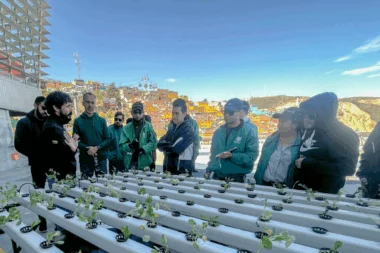
Crops of hope for conflict victims in Colombia
In response to this situation, FSD first launched an assistance project for mine victims, before extending its support to victims…
Victim Assistance Colombia
Tourist destinations still marked by the scars of war
In the world, nearly one in three countries remains contaminated by landmines and explosive remnants of war, particularly across much of South-East…
Landmines and explosive remnants Colombia Iraq Sri Lanka
The challenges of demining in the jungle
Located in the intertropical zone of the American continent, crossed by the Andes Cordillera and bounded by the Pacific Ocean…
Humanitarian demining Colombia
The challenges of demining in the jungle
Located in the intertropical zone of the American continent, crossed by the Andes Cordillera and bounded by the Pacific Ocean…