Philippines
An island contaminated by explosive ordnance
The island of Mindanao, in the south of the Philippines, and in particular the Bangsamoro Autonomous Region in Muslim Mindanao (BARMM), has been affected by decades of conflict between various armed groups and the Philippine government. These clashes have left behind numerous unexploded or abandoned explosive ordnance, which continue to threaten the lives of local communities. Some of these munitions are also reused by armed groups to make improvised explosive devices, posing a major danger to local populations.
Most of the victims are children because they don’t know the risks and dangers of the UXO.

Non-technical survey team member for FSD
Preventing accidents and supporting peace
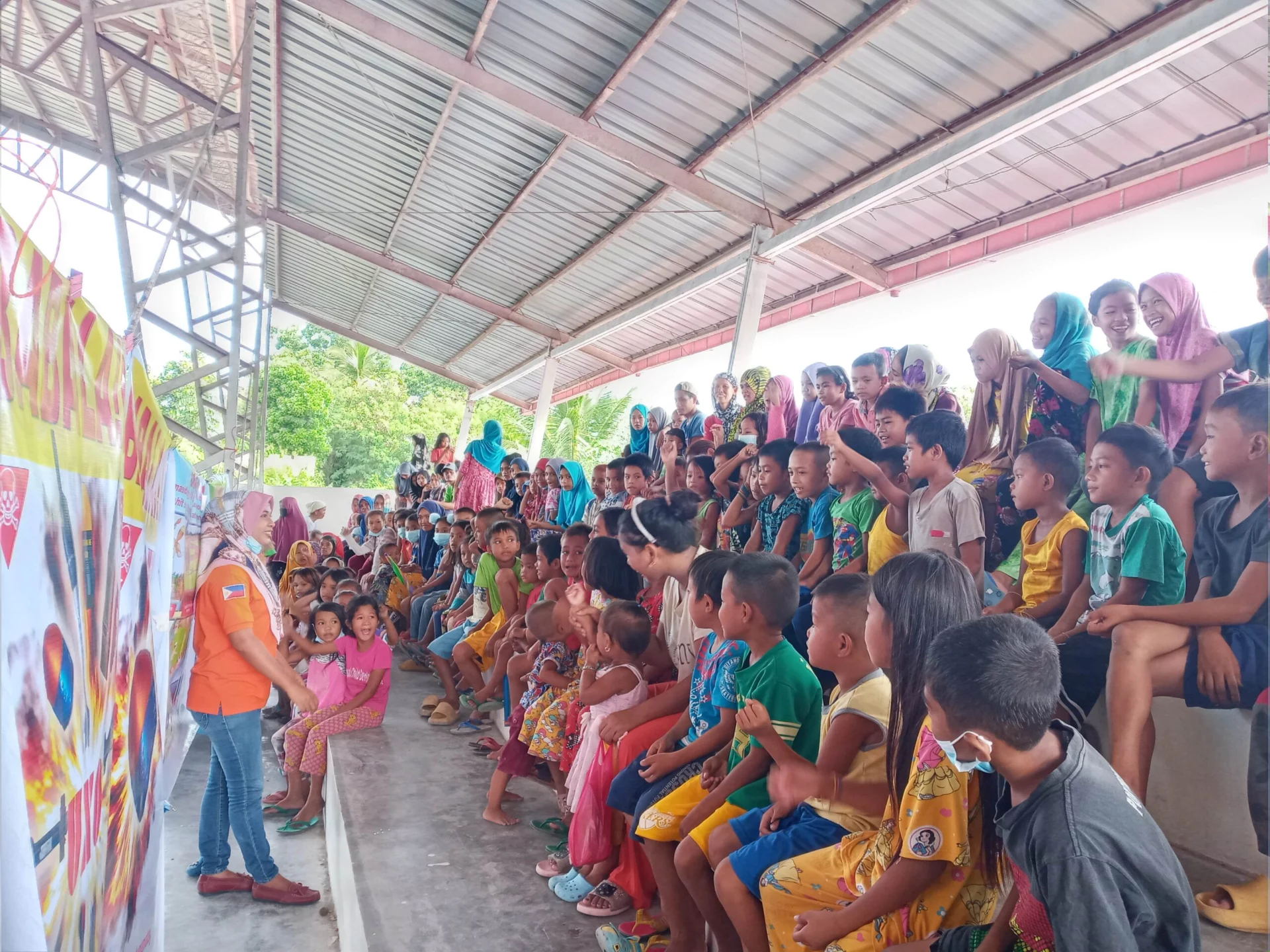
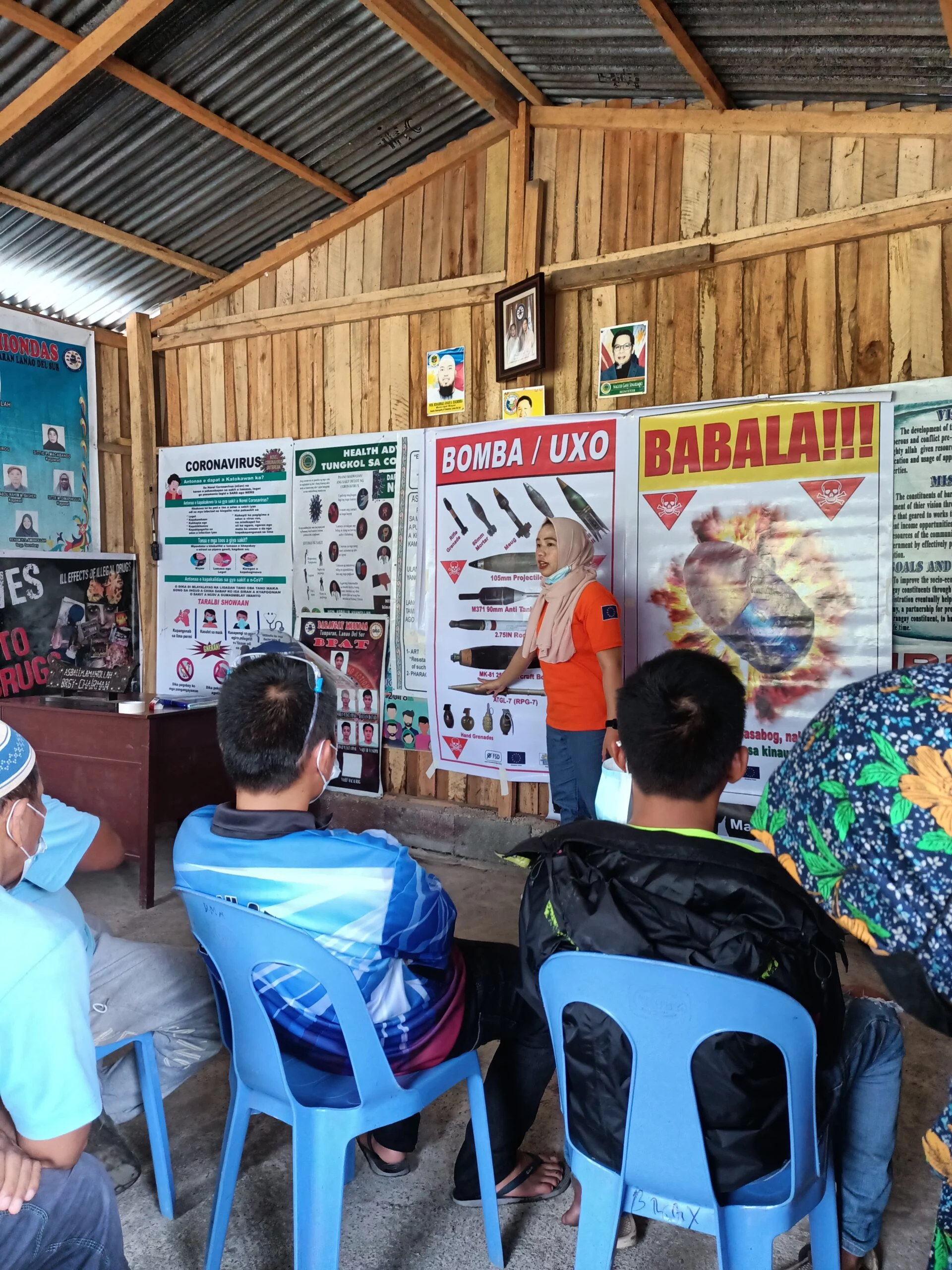
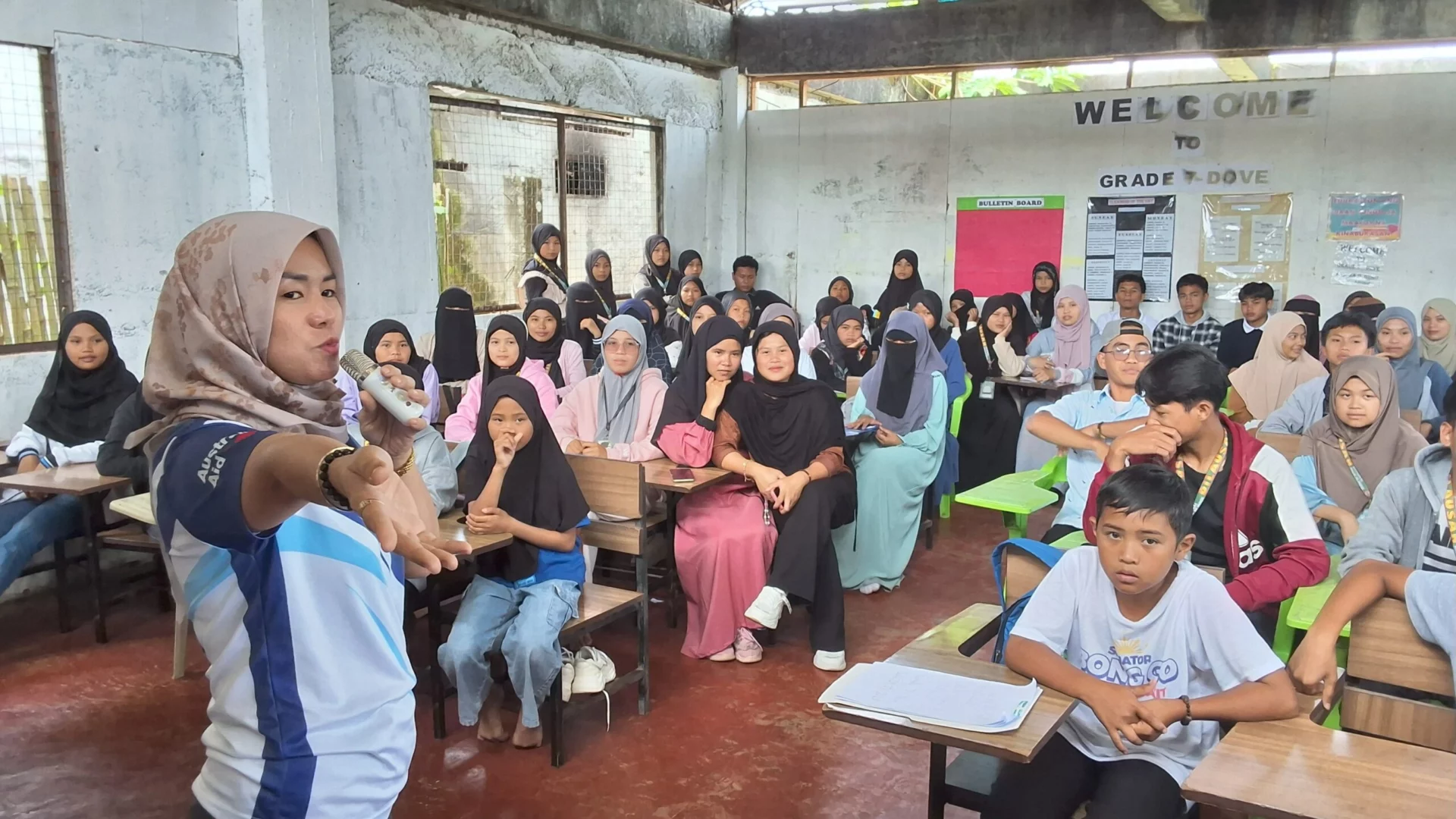
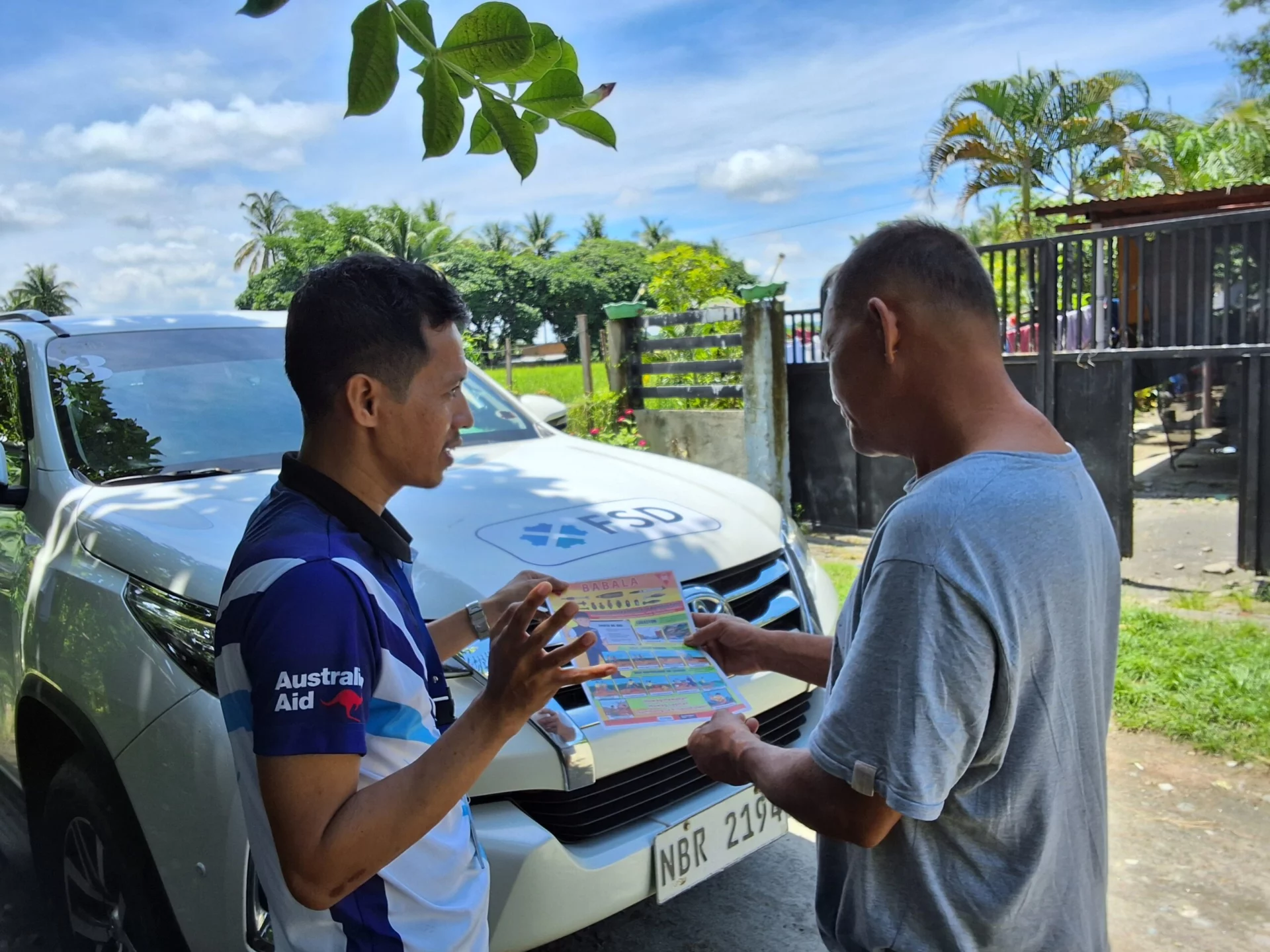
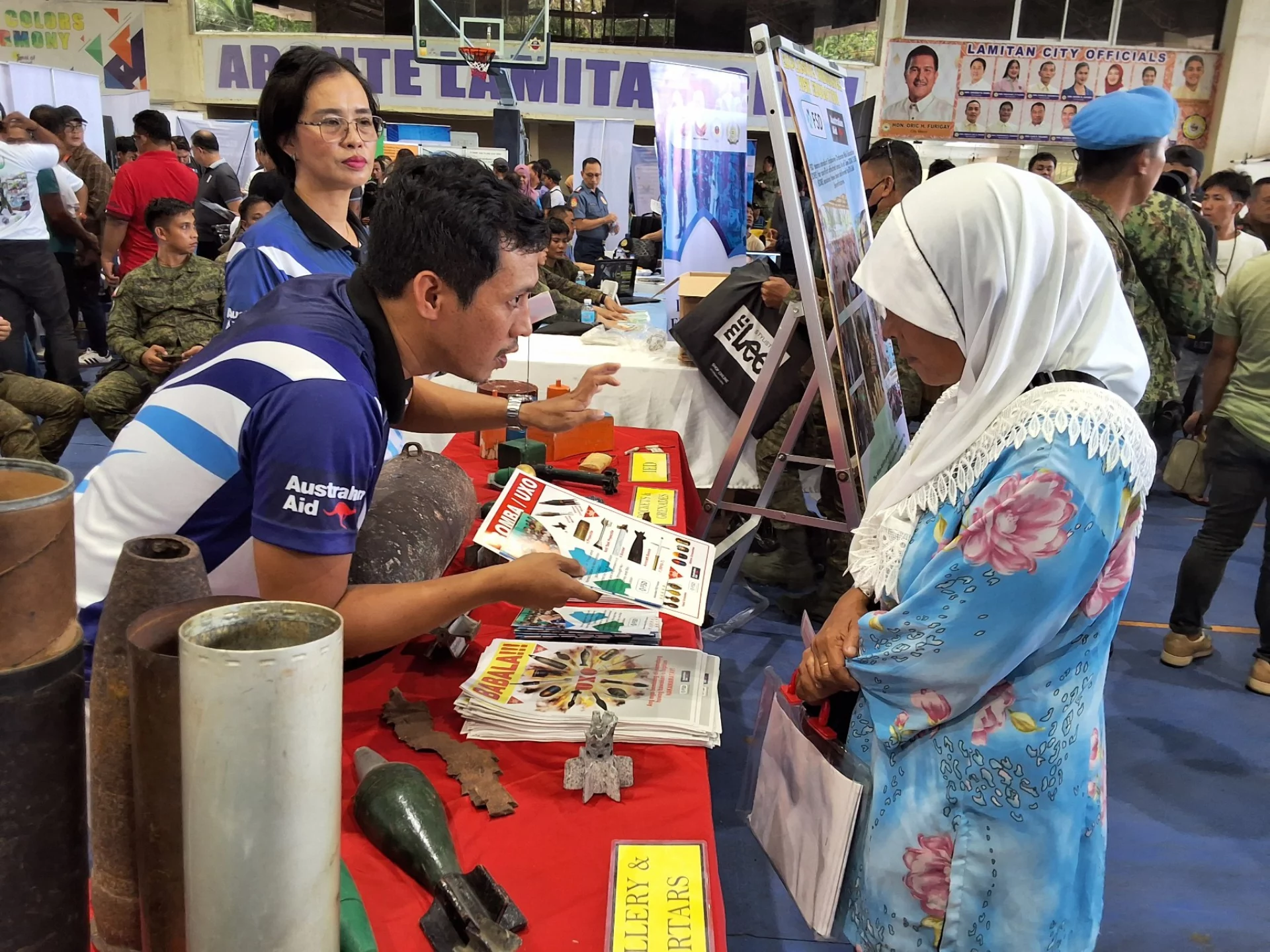
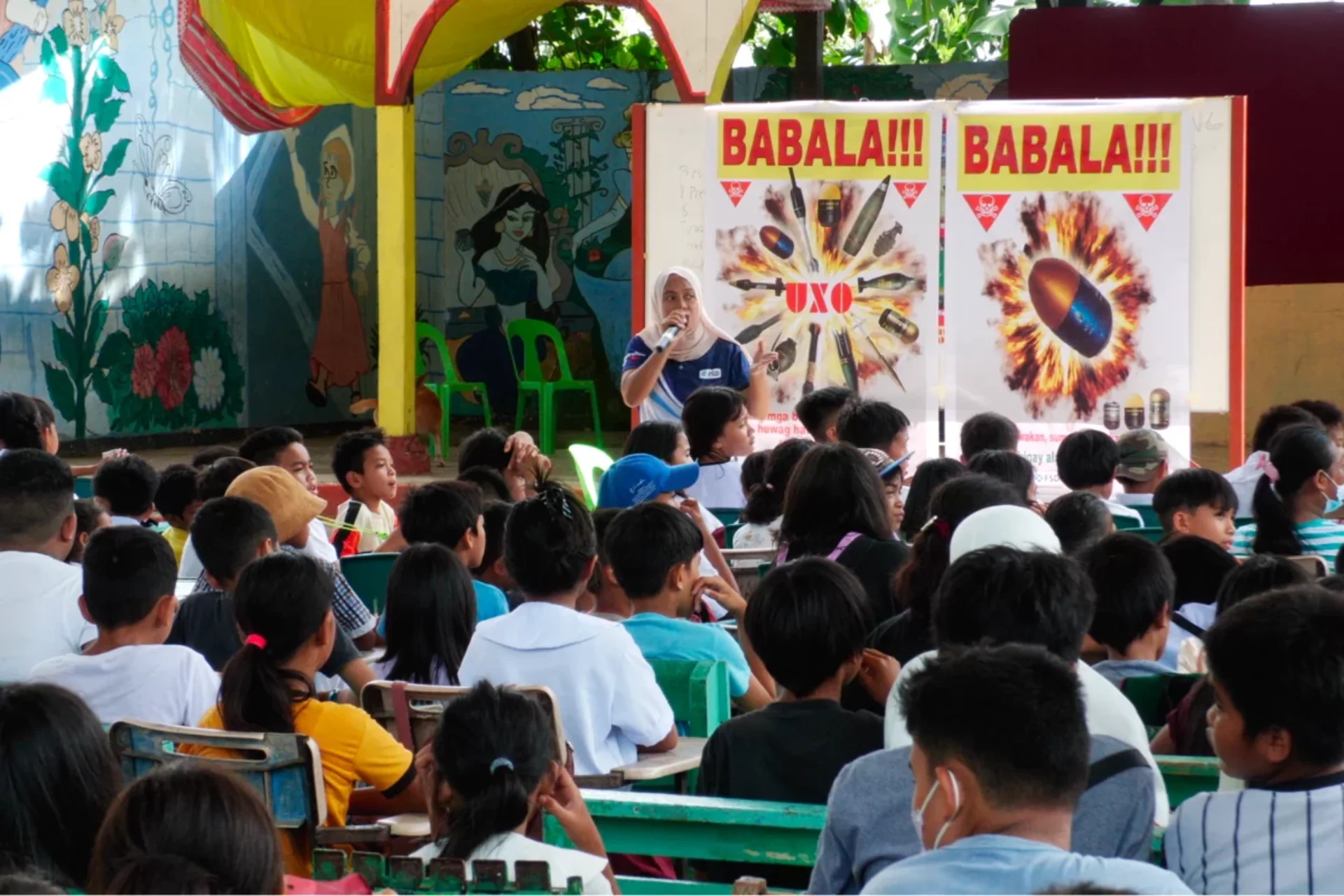
To reduce accidents, FSD conducts explosive ordnance risk education sessions in villages affected by the conflict and works to integrate these messages into the school curriculum. At the same time, our teams carry out surveys in areas suspected of being contaminated by unexploded ordnance or improvised mines. When the presence of explosives is confirmed, FSD facilitates the intervention of the Philippine armed forces to neutralise them. Moreover, survivors of explosive incidents were referred for medical and psychosocial care, forming a key component of FSD’s victim assistance activities.
Beyond immediate safety, FSD uses mine action as a tool to support the peace process. By working together on humanitarian demining operations, former combatants learn to collaborate and rebuild trust, while contributing to the security of local communities. In November 2025, a major milestone was reached with the inauguration of a regional operational centre in BARMM, established in collaboration with national authorities and peace process stakeholders. The centre brings together the Philippine police, armed forces and former members of the Moro Islamic Liberation Front (MILF), enabling a rapid and coordinated response to reports of explosive hazards. Its staff received specialised training from FSD to ensure safe and effective interventions.
FSD also supported the reintegration of former combatants by providing vocational training to 25 ex-MILF members, contributing to their transition to civilian life.
Towards lasting peace
FSD’s work in Mindanao has helped reduce the risks posed by explosive hazards to local communities by educating children and adults and referring survivors to appropriate care. By promoting collaboration between former combatants and supporting the establishment of a regional demining centre, this project also contributes to strengthening security and laying the foundations for lasting peace on the island.
In 2025, FSD’s programme in the Philippines was supported by the Australian Department of Foreign Affairs, and private donors.
Latest news from FSD
View all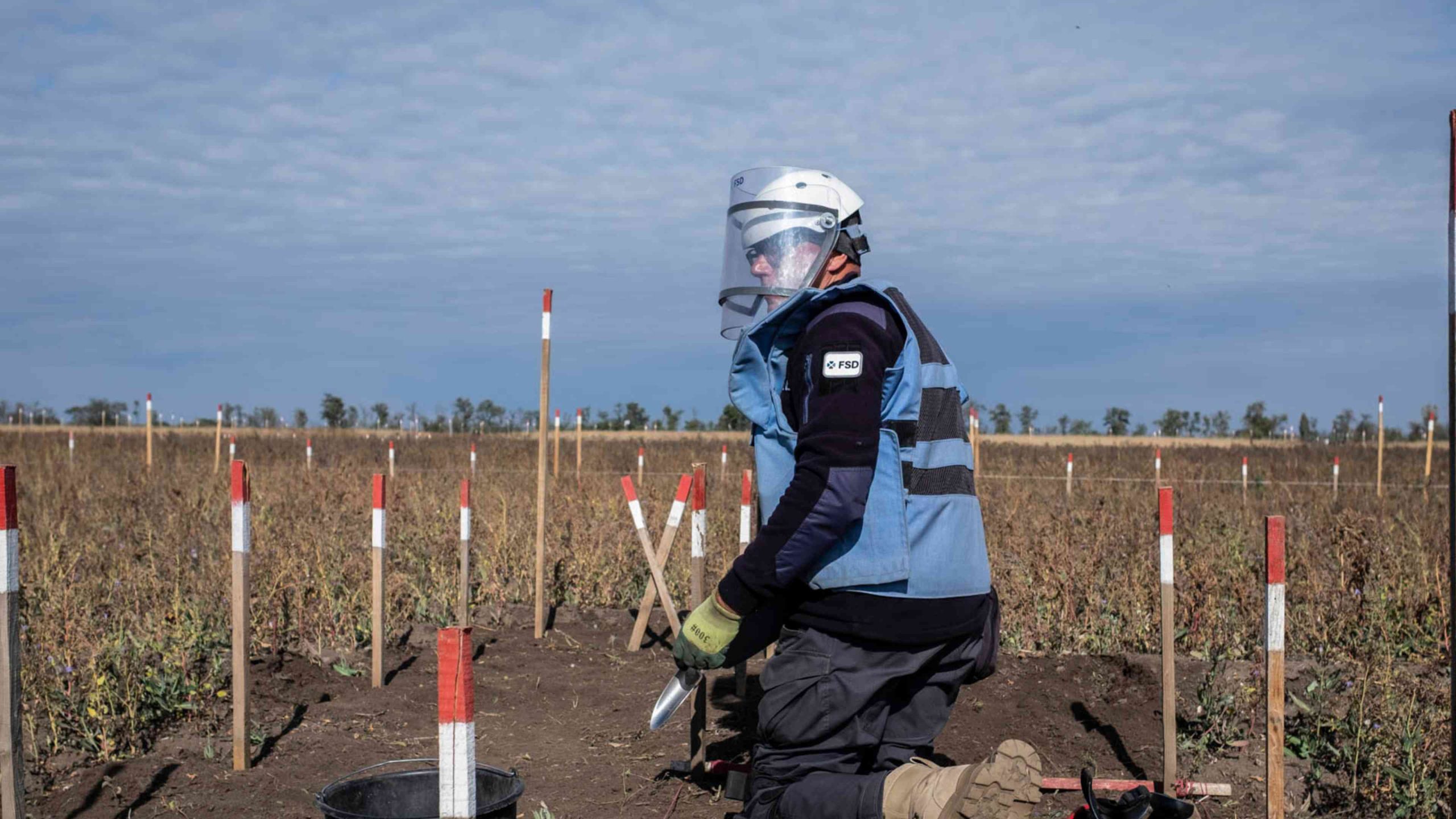
International Day for Mine Awareness and Assistance in Mine Action – 4 April 2026
PDF of complete Joint Statement (March 2026) Invest in Peace; Invest in Mine Action Geneva, 31 March 2026 The world…
Landmines and explosive remnants Humanitarian demining

FSD’s Mine Action Programme in Ukraine
Complete Ukraine brochure (March 2026) – PDF Our ongoing operations – March 2026 As of March 2026, more than 450…
Humanitarian demining Ukraine
Interview with Olivier Shu – La Ligne de cœur (RTS La Première)
▶️ Listen now © Interview broadcast on RTS La Première, in the programme La Ligne de cœur About Olivier A demining expert…
Landmines and explosive remnants Machines, drones and technology Humanitarian demining Ukraine