Tajikistan
Mine-contaminated areas inherited from past conflicts
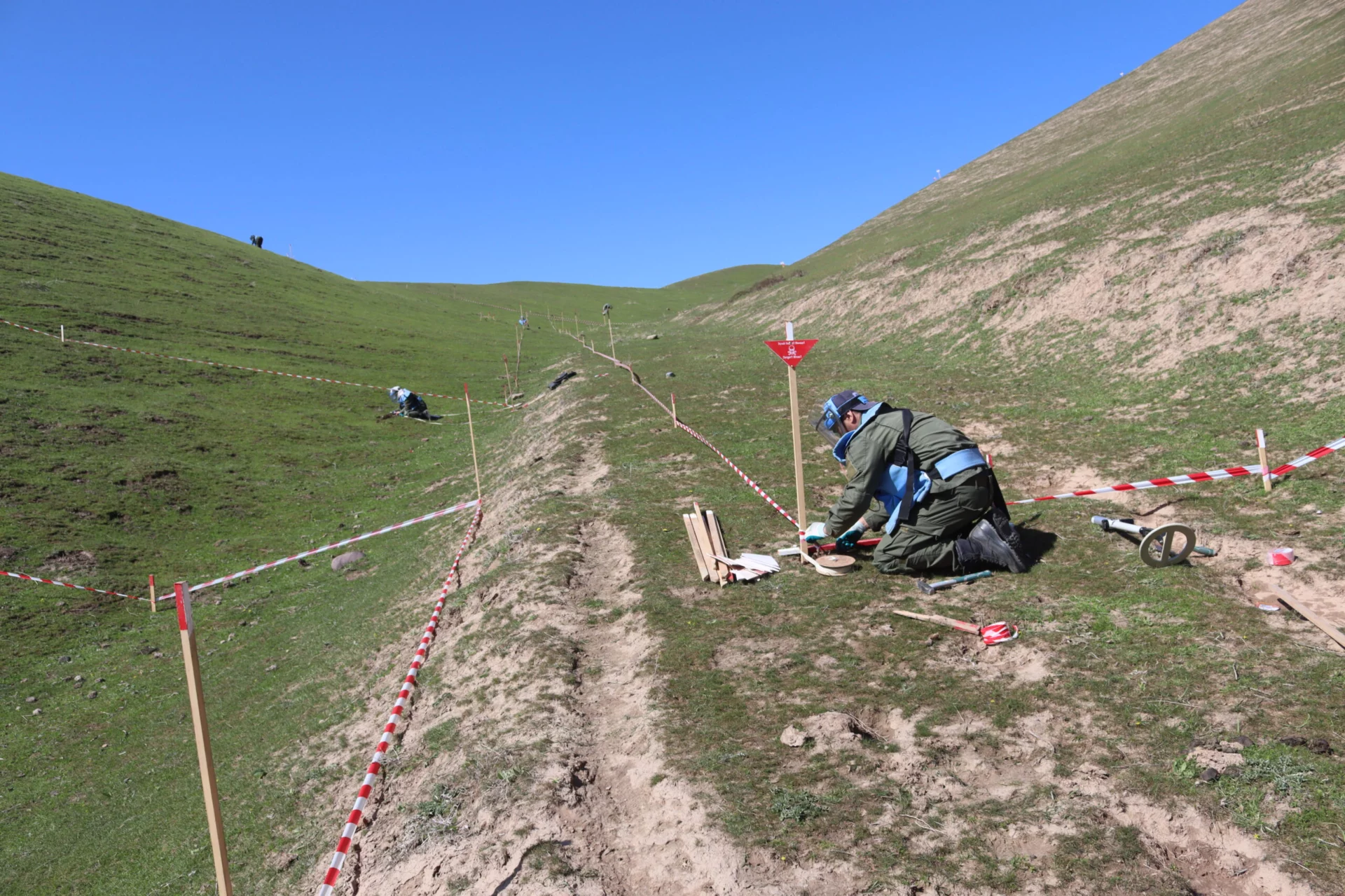
After the collapse of the Soviet Union, Tajikistan’s borders, particularly those with Afghanistan and Uzbekistan, were heavily mined. The border with Kyrgyzstan also witnessed episodes of armed tension, leaving explosive remnants of war in some disputed areas. In addition, the civil war resulted in numerous unexploded munitions in the central region of the country, further compromising safety and access to land. This contamination has long hindered agriculture, daily life and socio-economic development. Thanks to ongoing demining efforts, the threat is steadily receding, and Tajikistan is progressing towards its objective of becoming mine-free by 2032.
Before, we used to graze our livestock just next to the houses, only 200 metres from the explosive remnants. Now that the area has been made safe, we can access the water reservoir again.

A resident of Shurob, northern Tajikistan
Mixed teams clearing the country
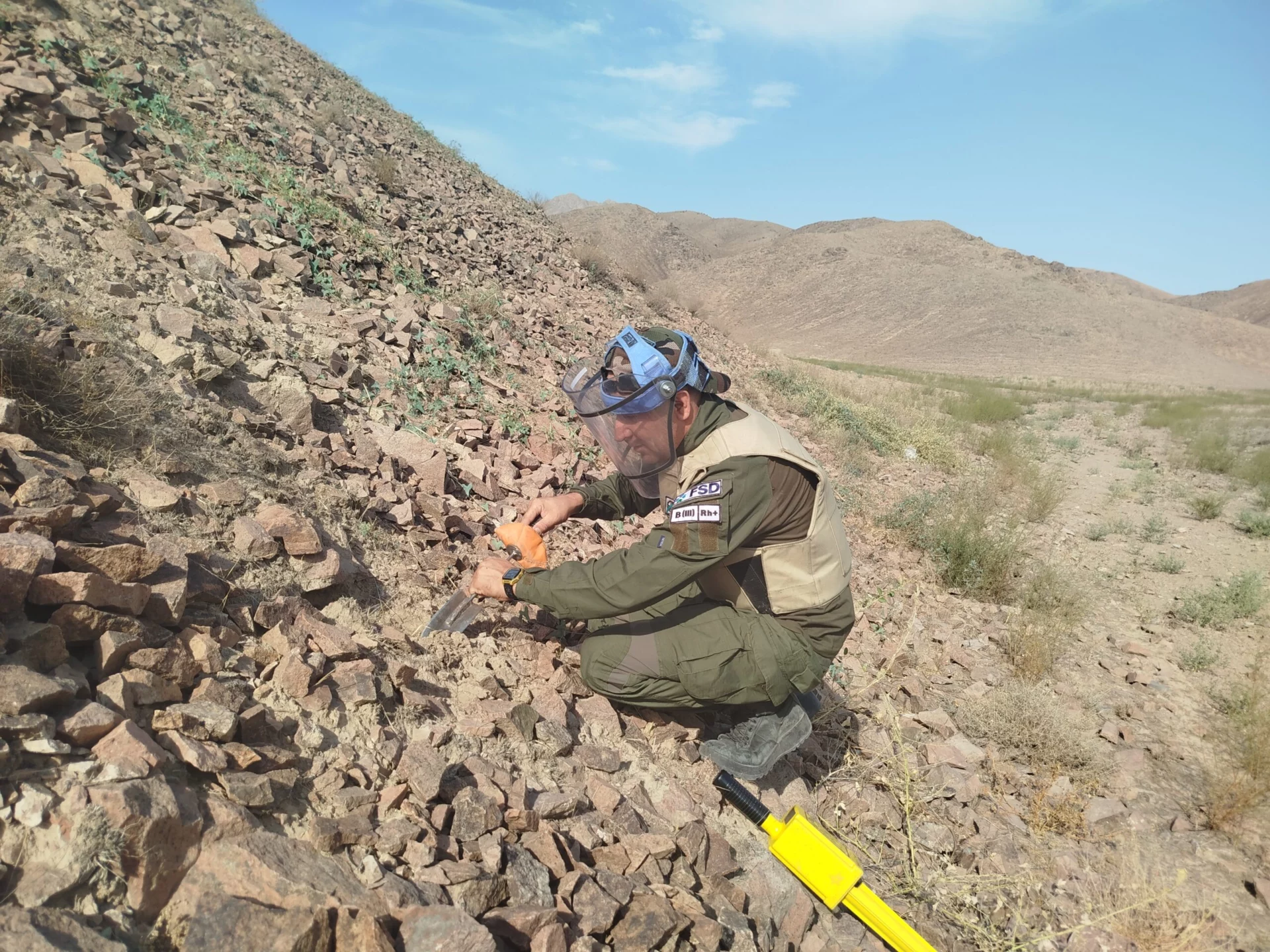
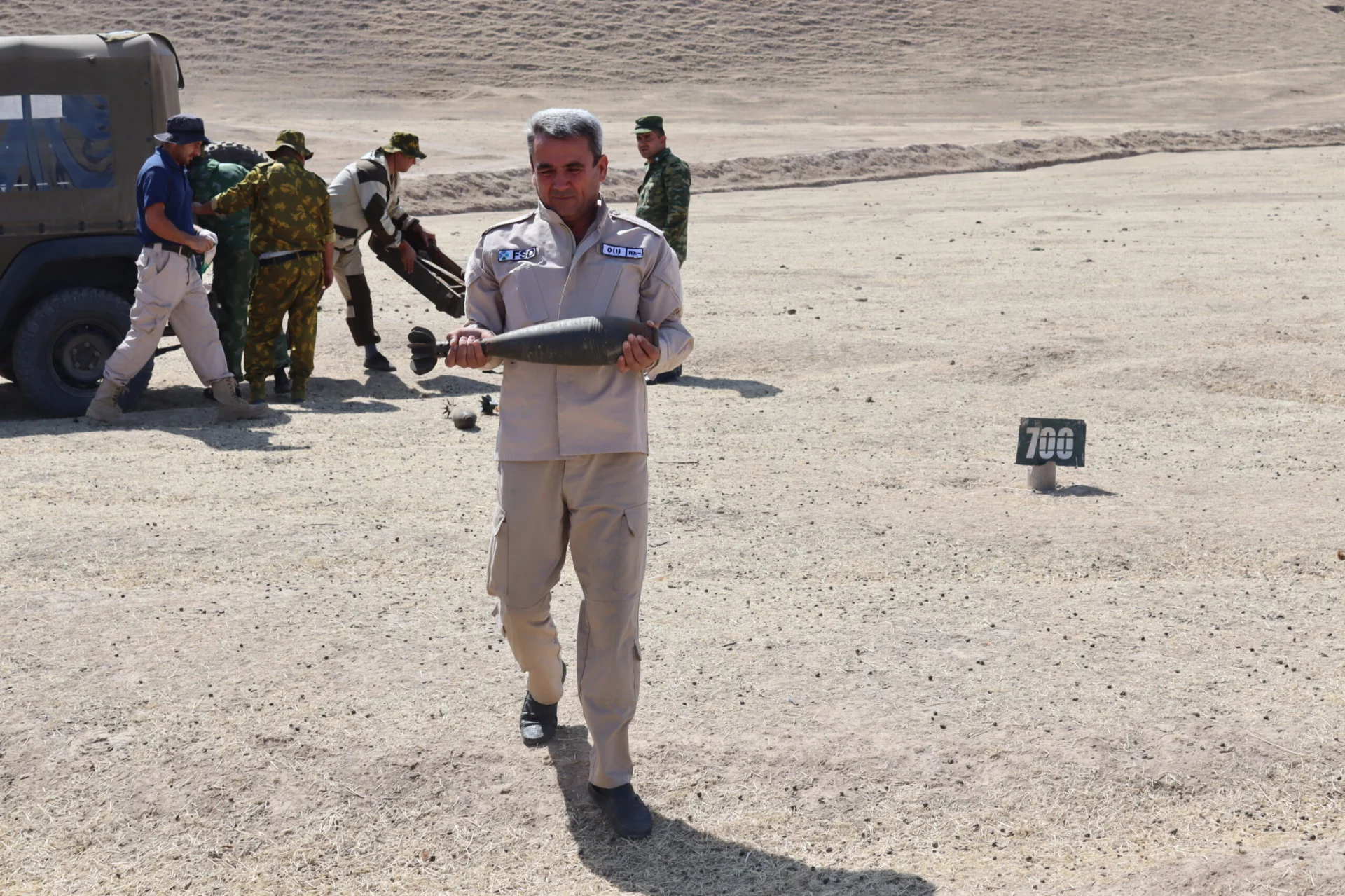
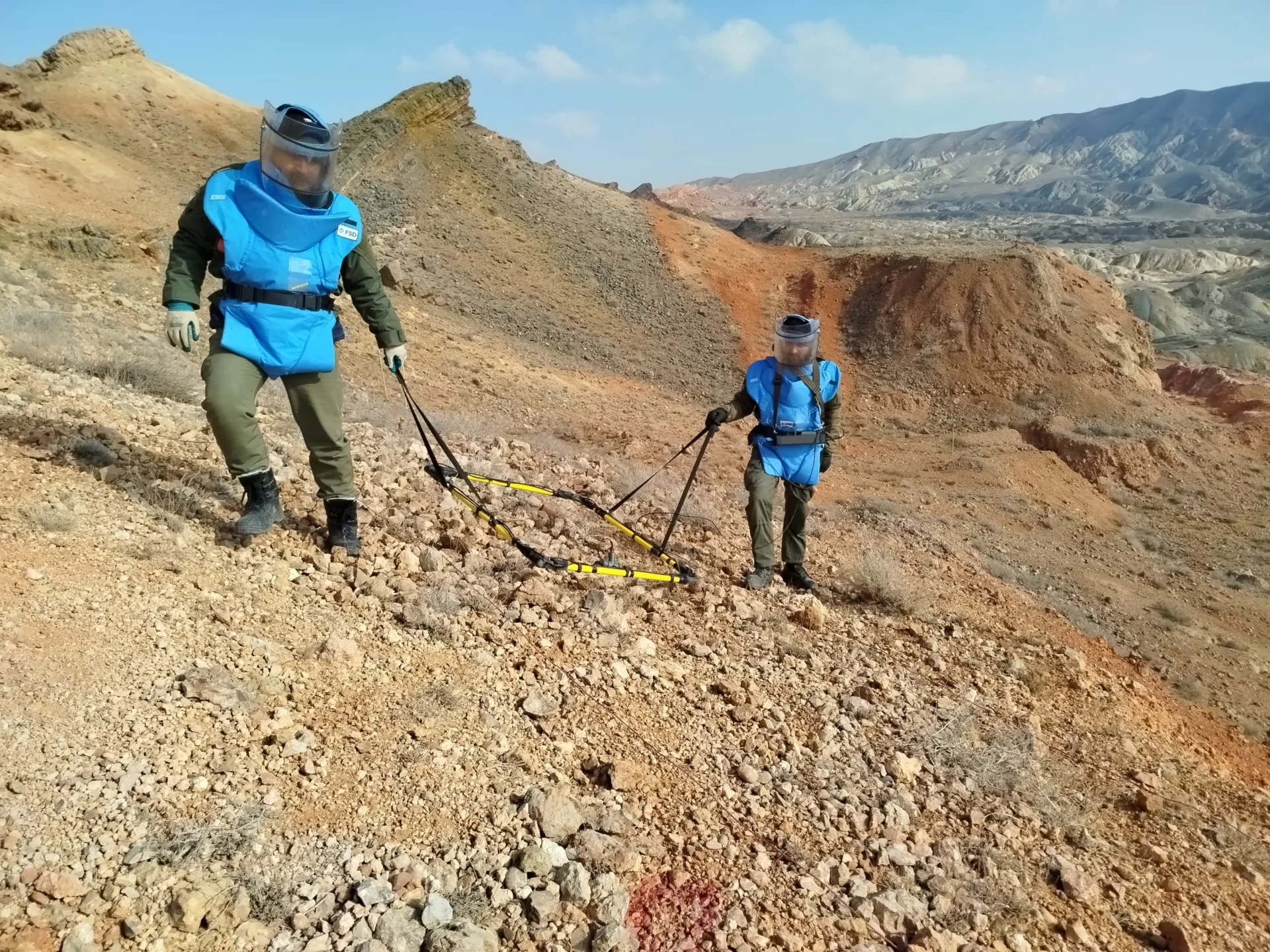
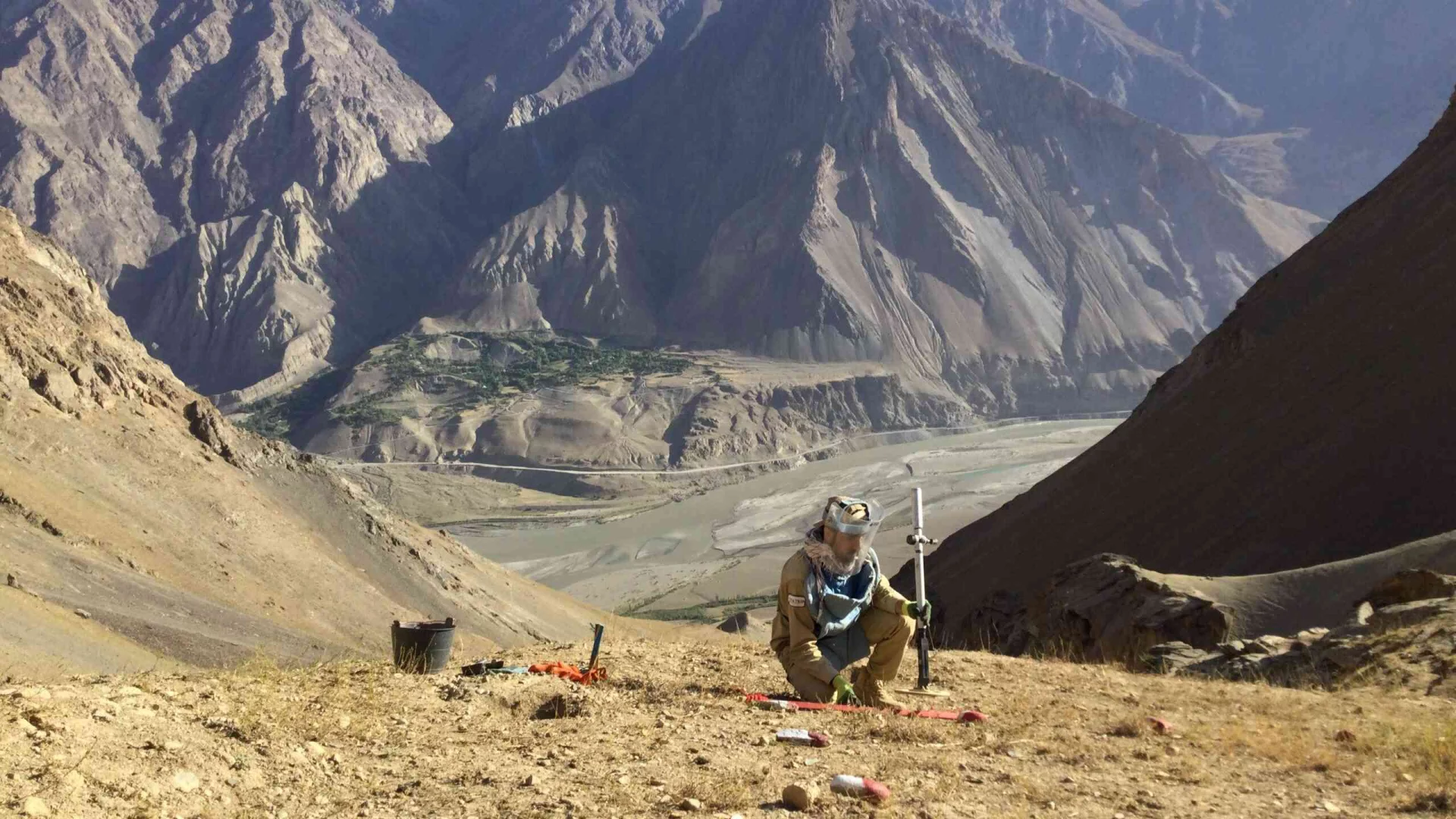
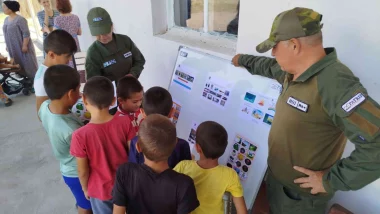
FSD conducts surveys to identify remaining contaminated areas, then locates and destroys landmines and explosive remnants of war in Isfara, Rasht, along the Afghan and Kyrgyz borders. An inclusive approach is prioritised, with mixed teams of men and women recruited and trained locally. In parallel, explosive ordnance risk education sessions are held in schools and villages to help residents stay safe and adopt the right behaviours while waiting for demining to be completed.
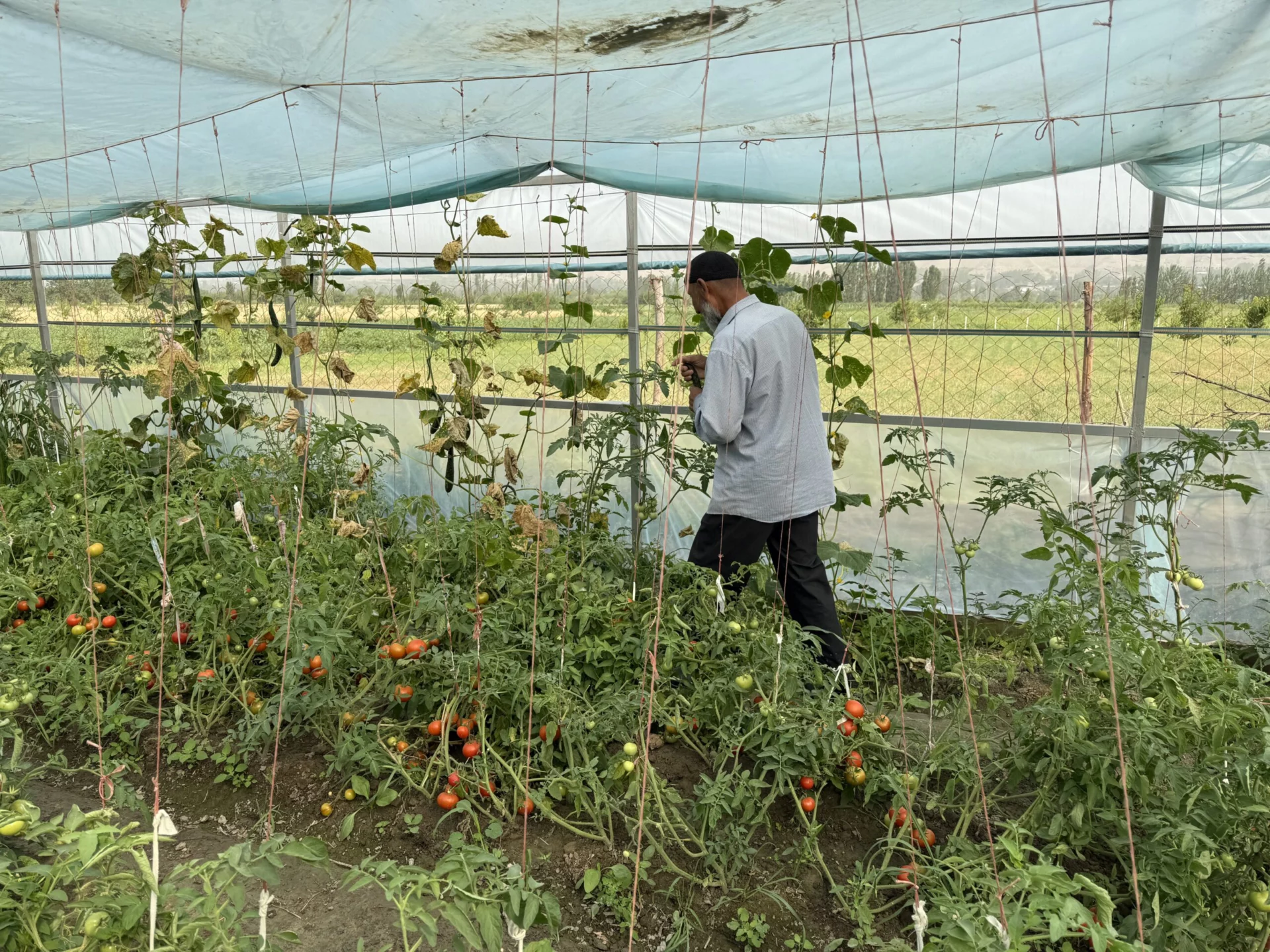
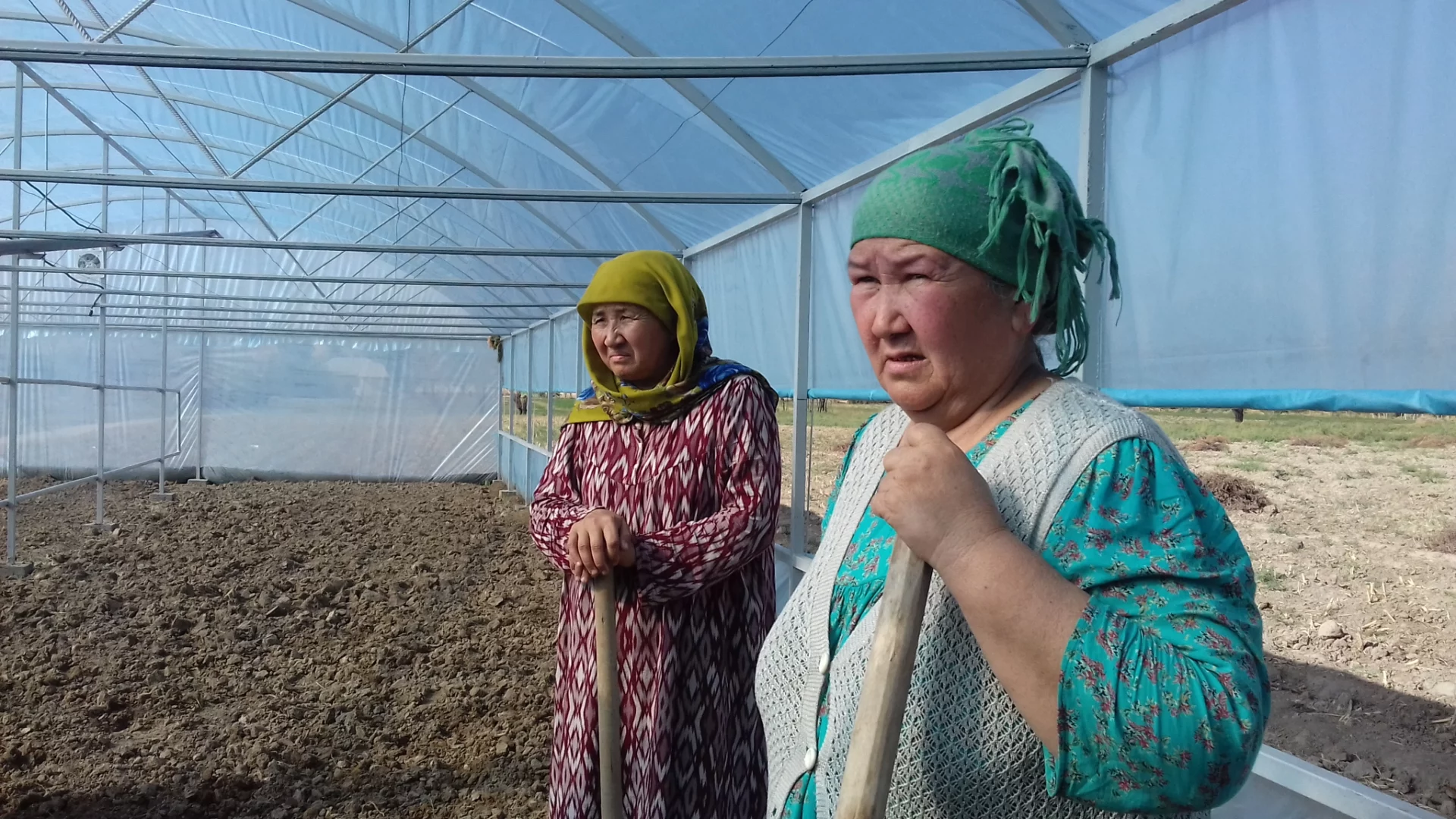
Once areas are made safe, FSD implements projects that strengthen community resilience to climate change. These initiatives include building greenhouses, installing solar panels and improving access to water, enabling local populations to develop sustainable agricultural activities and enhance food security.
Addressing environmental challenges
FSD’s demining operations have made previously hazardous areas safe again, allowing communities to resume farming and regain access to water and local infrastructure. These activities build on earlier initiatives, including the destruction of obsolete weapons and ammunition stockpiles and the clean-up of land contaminated by pesticides from the Soviet era.
Today, through post-demining resilience projects, local communities can develop sustainable agriculture, improve food security and strengthen self-reliance, contributing to a safer and more sustainable environment.
In 2025, FSD’s programme in Tajikistan received support from the U.K. Foreign, Commonwealth, and Development Office, PATRIP Foundation, the U.S. Department of State and private donors.
News from Tajikistan
View all
Tourist destinations still marked by the scars of war
In the world, nearly one in three countries remains contaminated by landmines and explosive remnants of war, particularly across much of South-East…
Landmines and explosive remnants Colombia Iraq Sri Lanka
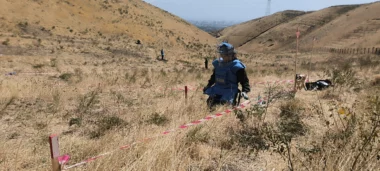
Yesterday a school teacher, today a deminer for FSD
Iskandarova is a deminer in the team deployed last month by FSD to a remote and mountainous area of Tajikistan….
Humanitarian demining Tajikistan
On the Tajik-Kyrgyz border, scarred lands begin to heal
In the villages of Shurob and Chorkuh, in northern Tajikistan, the scars of civil war and regional tensions are still…
Recovery Humanitarian demining Prevention and risk education Tajikistan