We use audience measurement tools (such as Google Analytics 4 and Clarity), via Google Tag Manager, to understand how the website is used and to improve it. The data are used for statistical purposes only and are not used for targeted advertising.
Restoring Access to Sports and Recreational Spaces
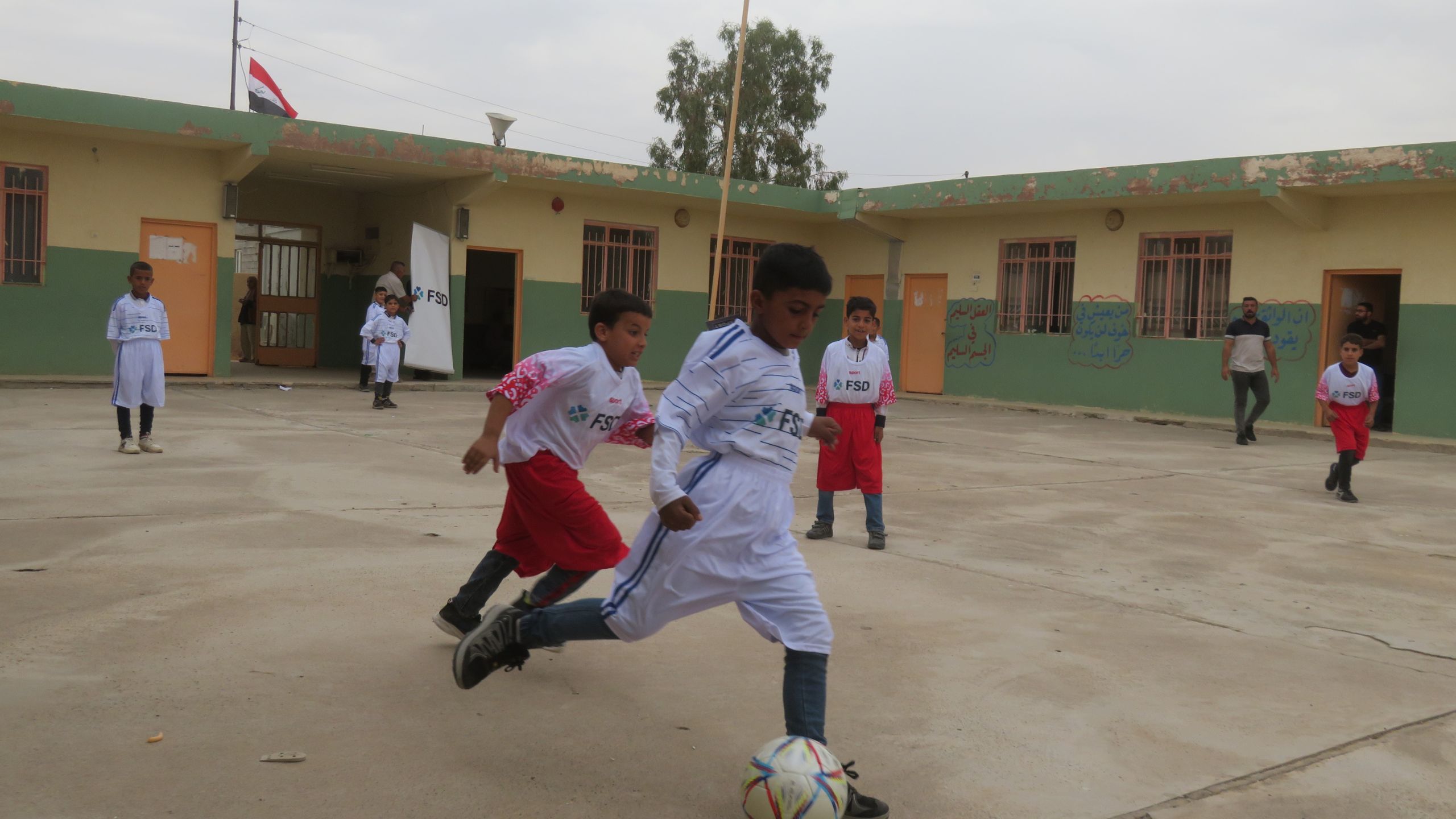
After an armed conflict, demining operations often begin with priority areas such as agricultural land, critical infrastructure and housing. However, clearing places used for recreation, including sports fields and communal areas is also essential for the safety and cohesion of communities.
Places where children naturally return
After the end of hostilities, children naturally return to their favourite play areas. Making these areas safe not only helps prevent accidents, but also encourages children to play in safe spaces rather than venturing into areas that may still be contaminated by landmines and explosive remnants of war.
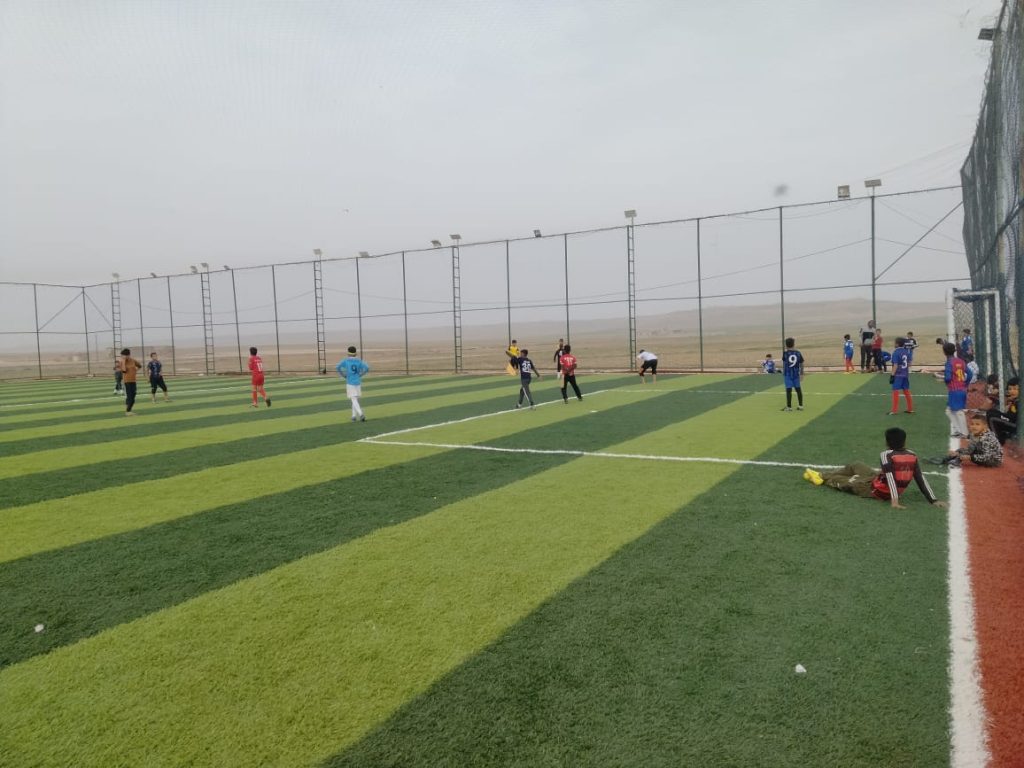
Spaces to rebuild social connections
Sports infrastructure plays a central role in community life. Once cleared and made safe, these spaces become strong symbols of a return to normality. They provide places for people to meet and help strengthen social cohesion, which is essential for rebuilding communities affected by conflict and laying the foundations for lasting peace.
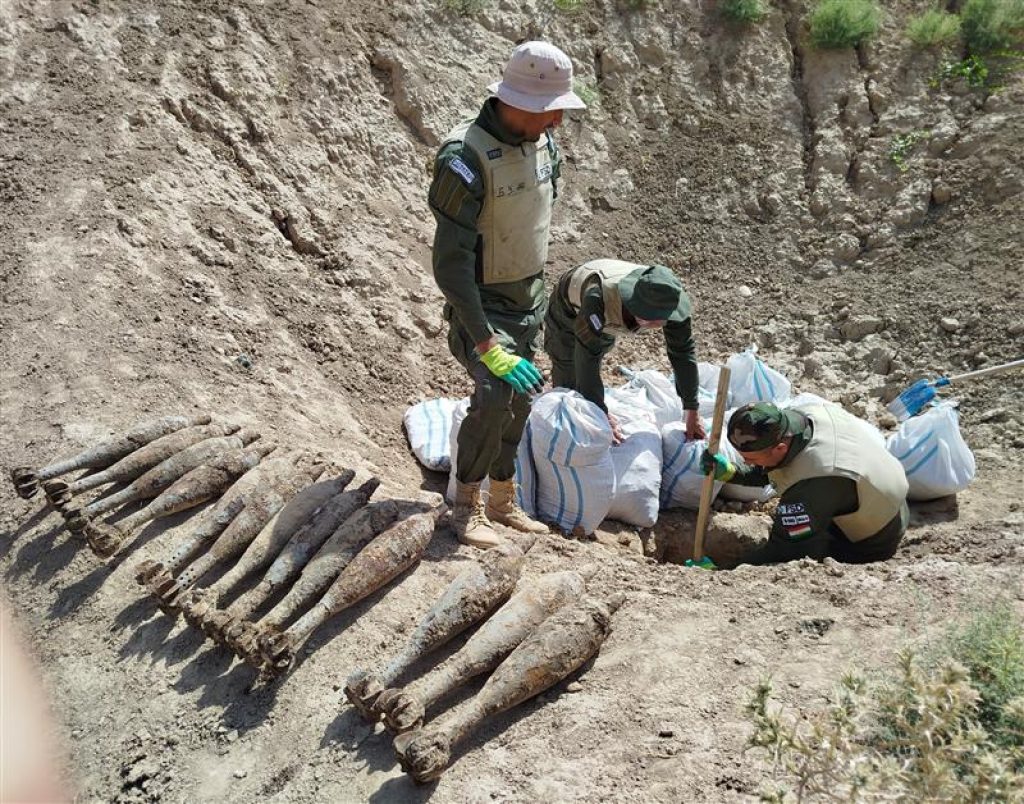
Sport as a support for mental health
Living in an environment affected by war can leave lasting impacts, including post-traumatic stress and anxiety. In these contexts, sport plays an important role in supporting mental health. It helps reduce stress, restore a sense of control, rebuild routines and encourage social interaction within a structured and safe environment.
War affects both physical and emotional landscapes, and its impacts are felt for years after. At its best, local sport can help heal these wounds.
In Ukraine, Iraq and elsewhere, FSD has contributed to reopening playgrounds and sports infrastructure. Being able to use these spaces again is not only a sign of a return to normal life, but also supports both individual and collective recovery.
A large-scale project in Ukraine
Building on this experience, FSD is currently exploring a project to support the clearance and rehabilitation of the Chernihiv Olympic Training and Sports Centre, which was heavily damaged by the conflict and may be contaminated by explosive remnants of war.
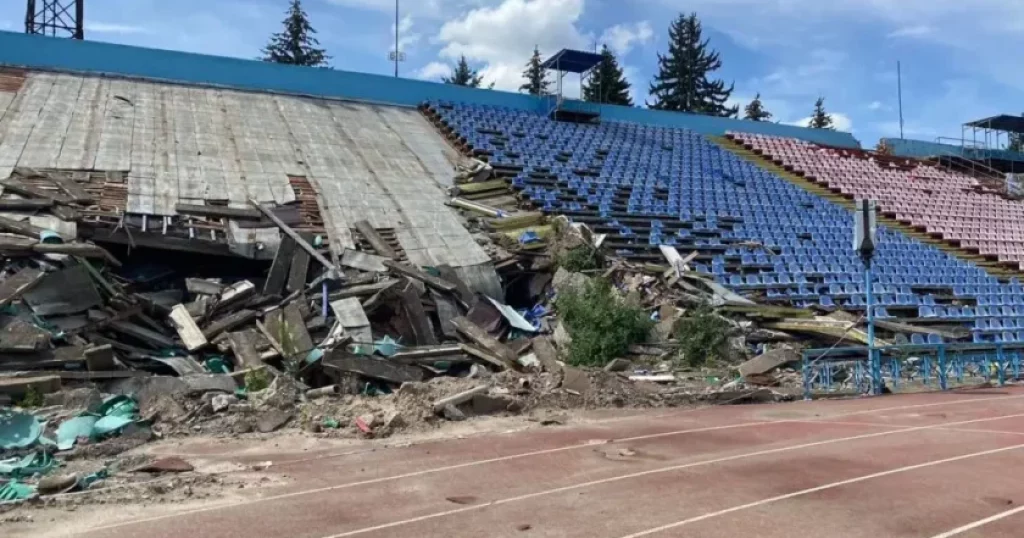
Rebuilding after war is a long and complex process for people returning home and trying to resume everyday life. While demining focuses first on life-saving priorities, making sports fields safe also matters. It means children have space to run again, young people can train side by side, and families and neighbours can gather at the edge of the field. It is also where everyday life gradually begins to return.
View all
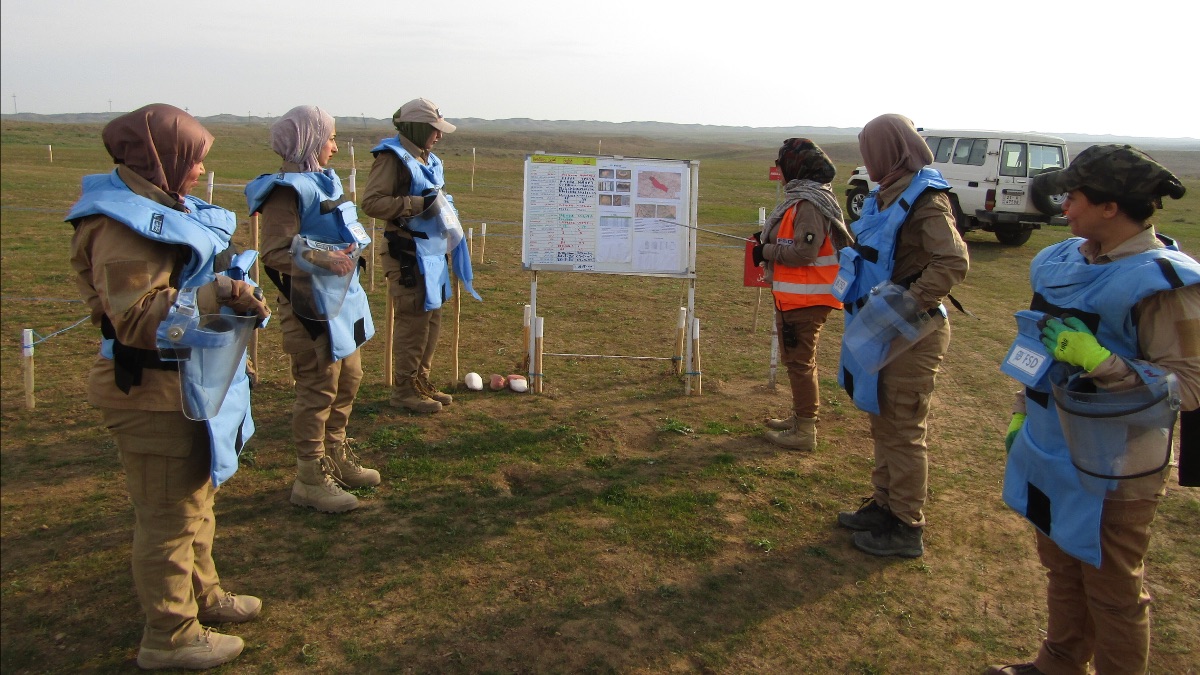
Our Deminers in Iraq Pave the way for Return
In the Dibis area, FSD’s all-female demining team works every day to clear these contaminated areas. The women themselves have been affected…
Stocks of weapons and ammunition
Improvised Explosive Devices (IEDs): the hidden threat that continues to kill after conflicts end
What are we talking about, exactly? An IED is a device made in an artisanal or improvised way, rather than…
Landmines and explosive remnants
A Second Demining Team Takes Over Operations in Ukraine
These deminers have been trained and formed by FSD and are now part of the Ukrainian Center for Humanitarian Protection…
Humanitarian demining