We use audience measurement tools (such as Google Analytics 4 and Clarity), via Google Tag Manager, to understand how the website is used and to improve it. The data are used for statistical purposes only and are not used for targeted advertising.
Kyrgyzstan
Sustainable Development Mine Action
Environmental remediation Humanitarian demining
FSD implements a project to strengthen the capacities of Kyrgyz authorities to manage weapons and ammunition stockpiles and to neutralise landmines and explosive remnants of war still present in the country, contributing to mine action in Kyrgyzstan.
Explosive hazards inherited from past wars
Certain border areas with Uzbekistan and Tajikistan remain contaminated by landmines and other explosive remnants of war — vestiges of past conflicts. In particular, Batken province remains affected, with contamination restricting access to pastureland and farmland and causing recurring civilian accidents. Obsolete and unsecured stockpiles also pose risks, including potential diversion by criminal actors. These dangers threaten local populations and cross-border exchanges, making it essential to strengthen local capacities to manage and address these threats.
Our impact in Kyrgyzstan (2025)
10
border guards trained in explosive ordnance disposal
1
Capacity-building partnership with OSCE
Building local expertise for lasting impact
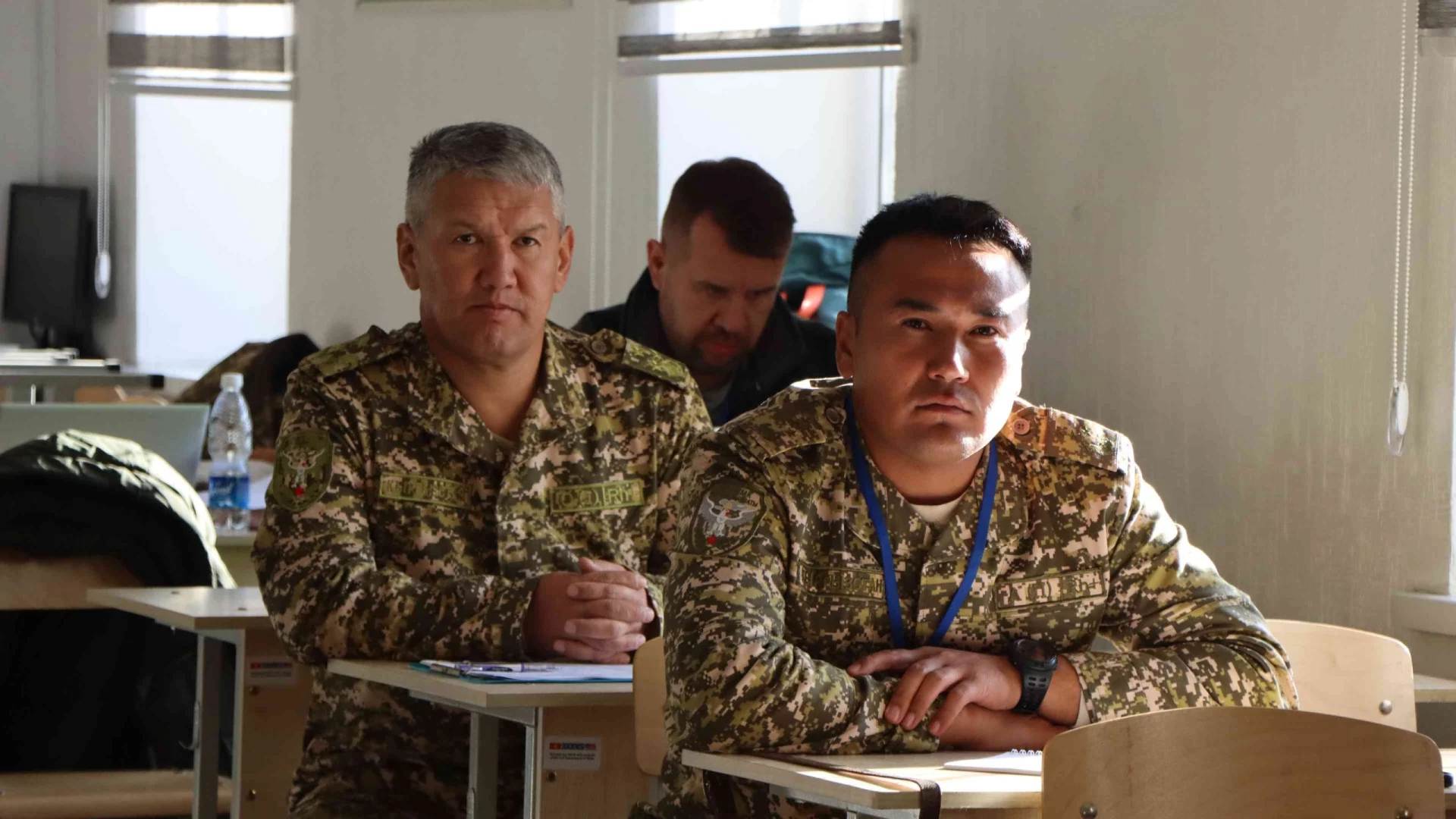
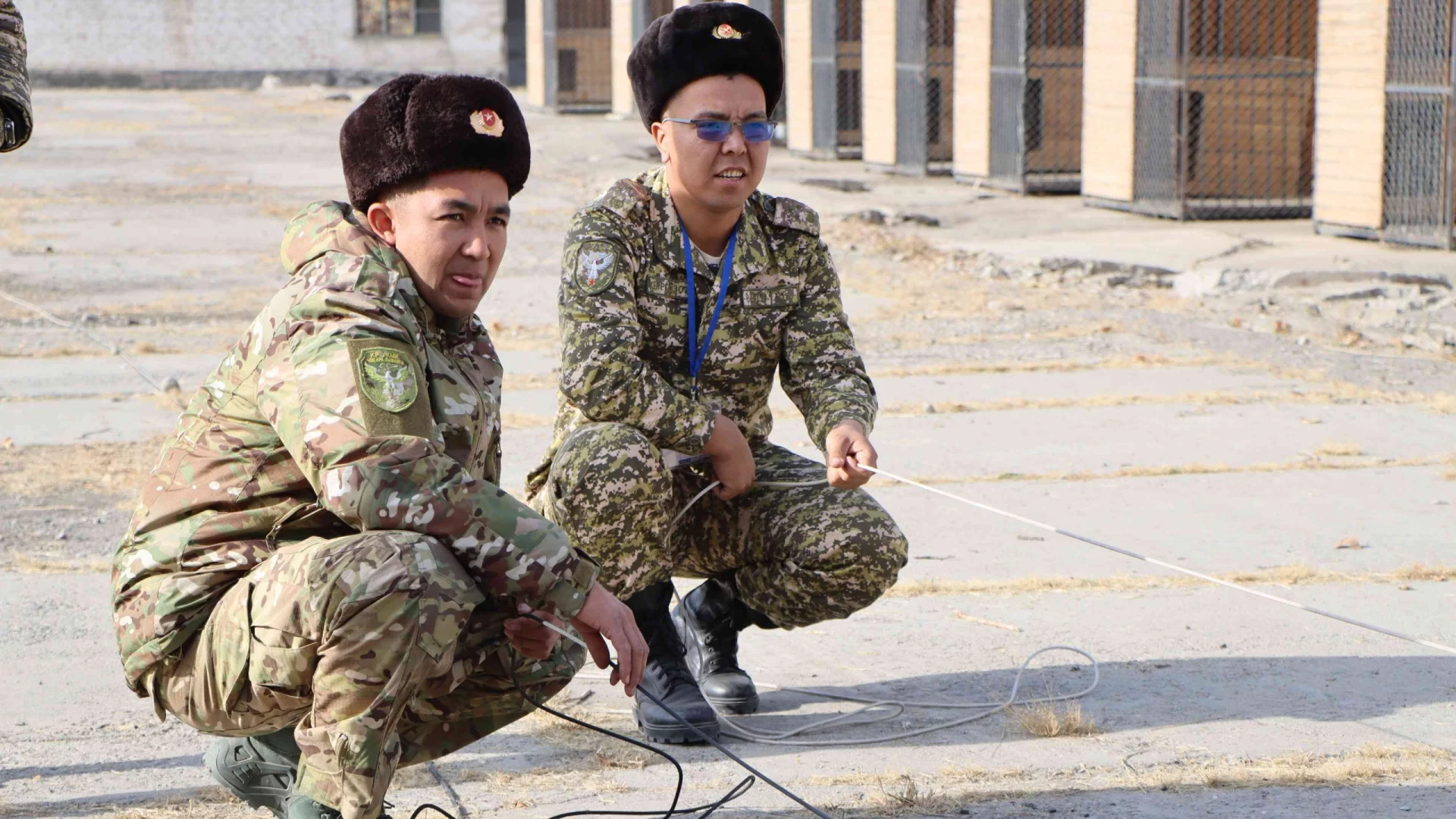
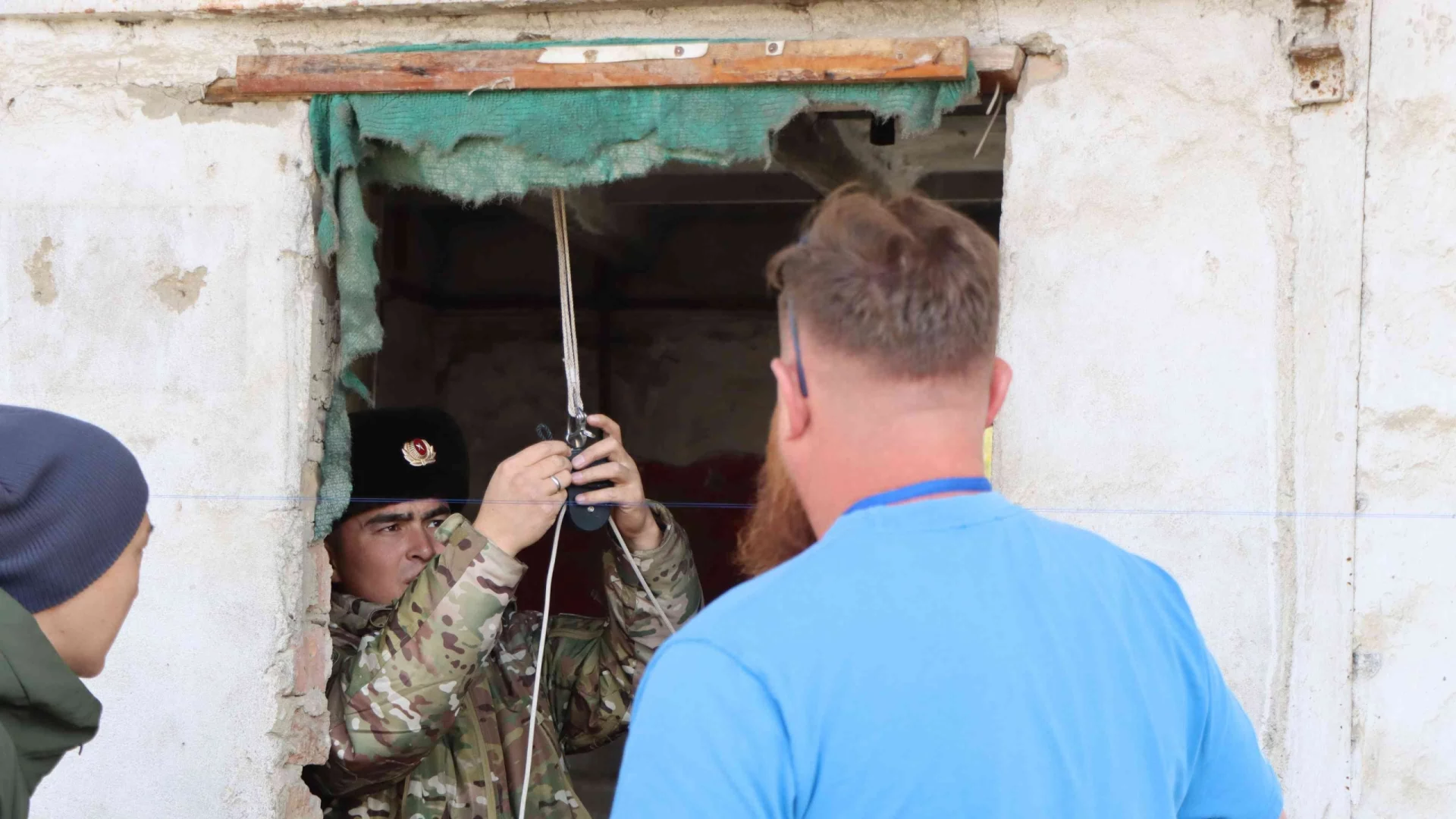
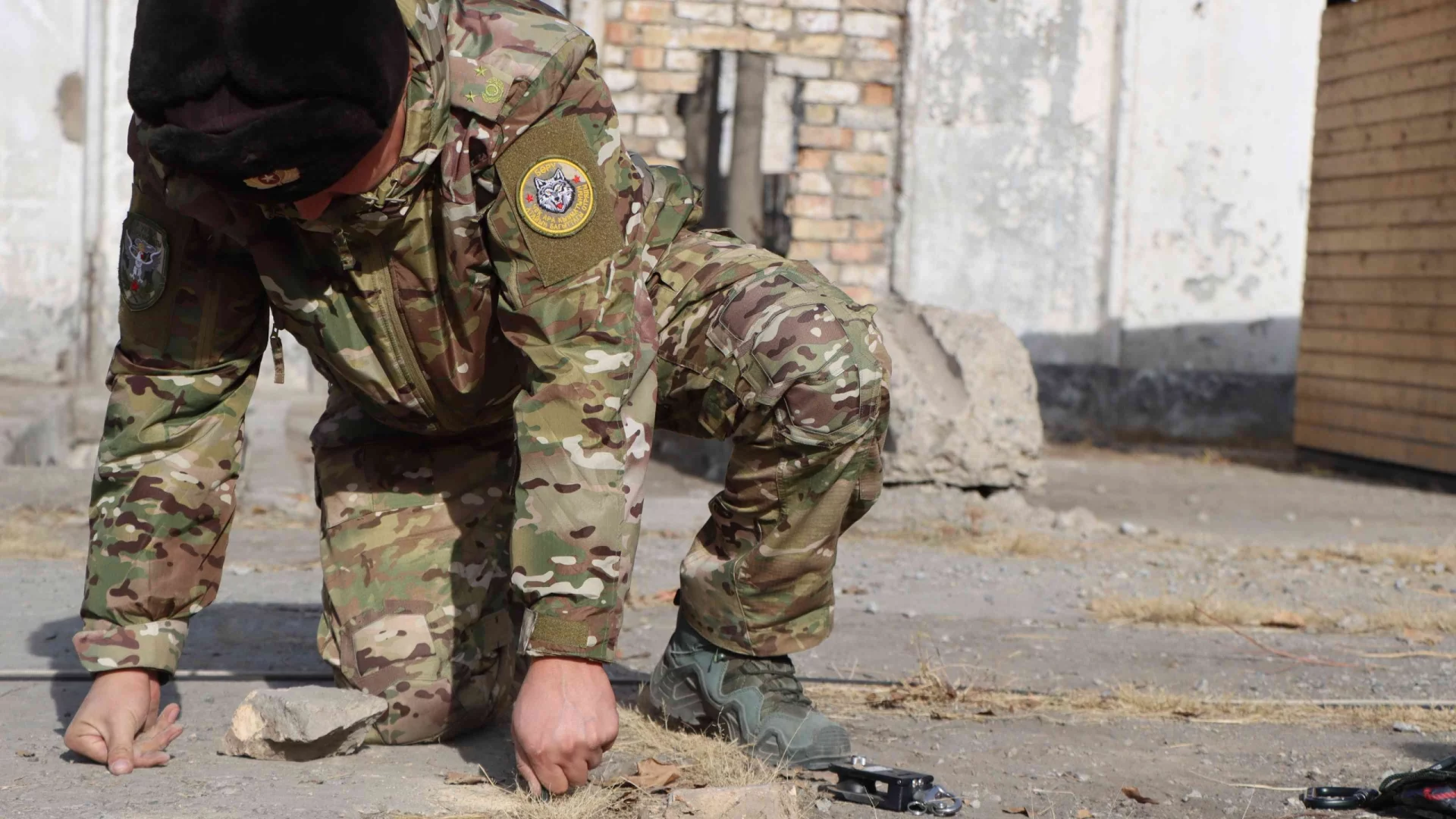
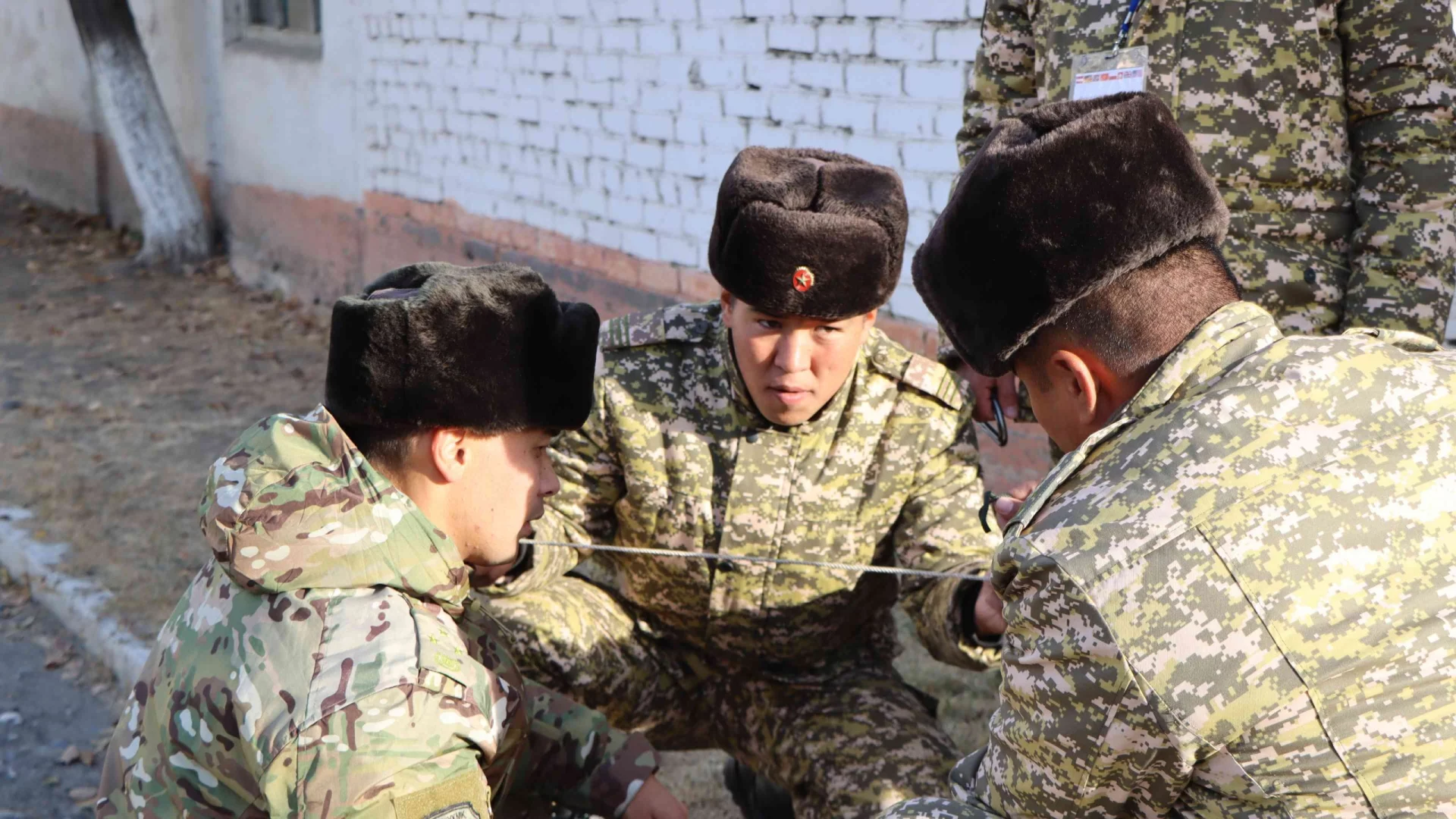
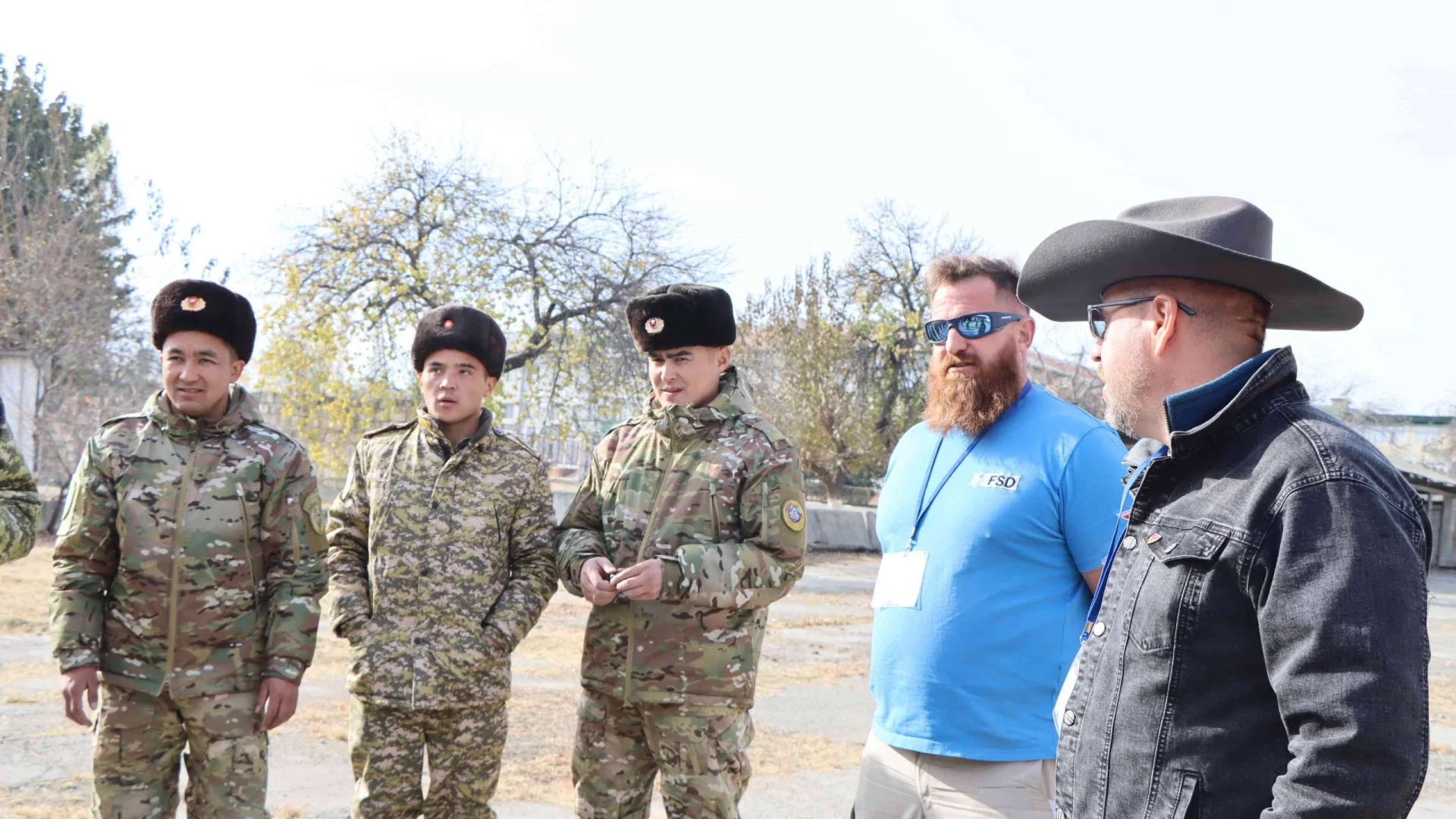
In partnership with the OSCE, FSD trains and supports Kyrgyz border guards to detect and neutralise explosives, manage obsolete or illegal weapons and ammunition stockpiles, and use detection dogs to identify hazardous devices. In August 2025, this collaboration was further strengthened through the launch of a new capacity-building project with the OSCE Programme Office in Bishkek, combining training and mentoring to align procedures with international safety and quality standards. In November, an initial training course was delivered in Osh, equipping ten border guards with foundational skills in explosive ordnance disposal. These efforts help protect communities from explosive-related accidents while strengthening regional security and stability by preventing the proliferation of weapons.
In the past, FSD has also carried out other projects in Kyrgyzstan, addressing a different kind of contamination: toxic residues left behind by the former uranium mining industry.
Strengthening cooperation and sustainability
In 2026, FSD will continue supporting the Kyrgyz Border Service through follow-up training and ongoing mentorship, based on identified needs. The organisation also plans to expand its approach at the regional level, contributing to stronger coordination and more consistent standards across Central Asia.
FSD’s programme in Kyrgyzstan is funded by the U.K. Foreign, Commonwealth and Development Office and carried out in partnership with the OSCE.
From Bosnia to Ukraine
Discover our story
For nearly 30 years, FSD has been working to make land safer. Explore the key milestones of our humanitarian work since our first demining operation in 1998.
Latest news from FSD
View all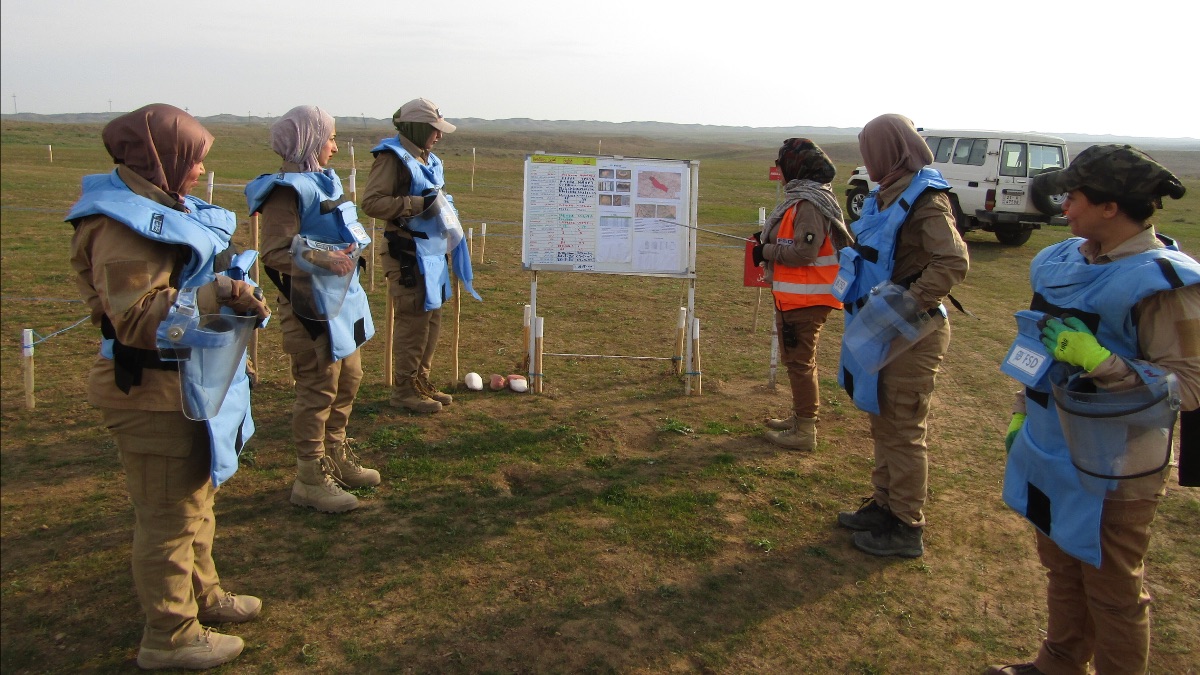
Our Deminers in Iraq Pave the way for Return
In the Dibis area, FSD’s all-female demining team works every day to clear these contaminated areas. The women themselves have been affected…
Stocks of weapons and ammunition
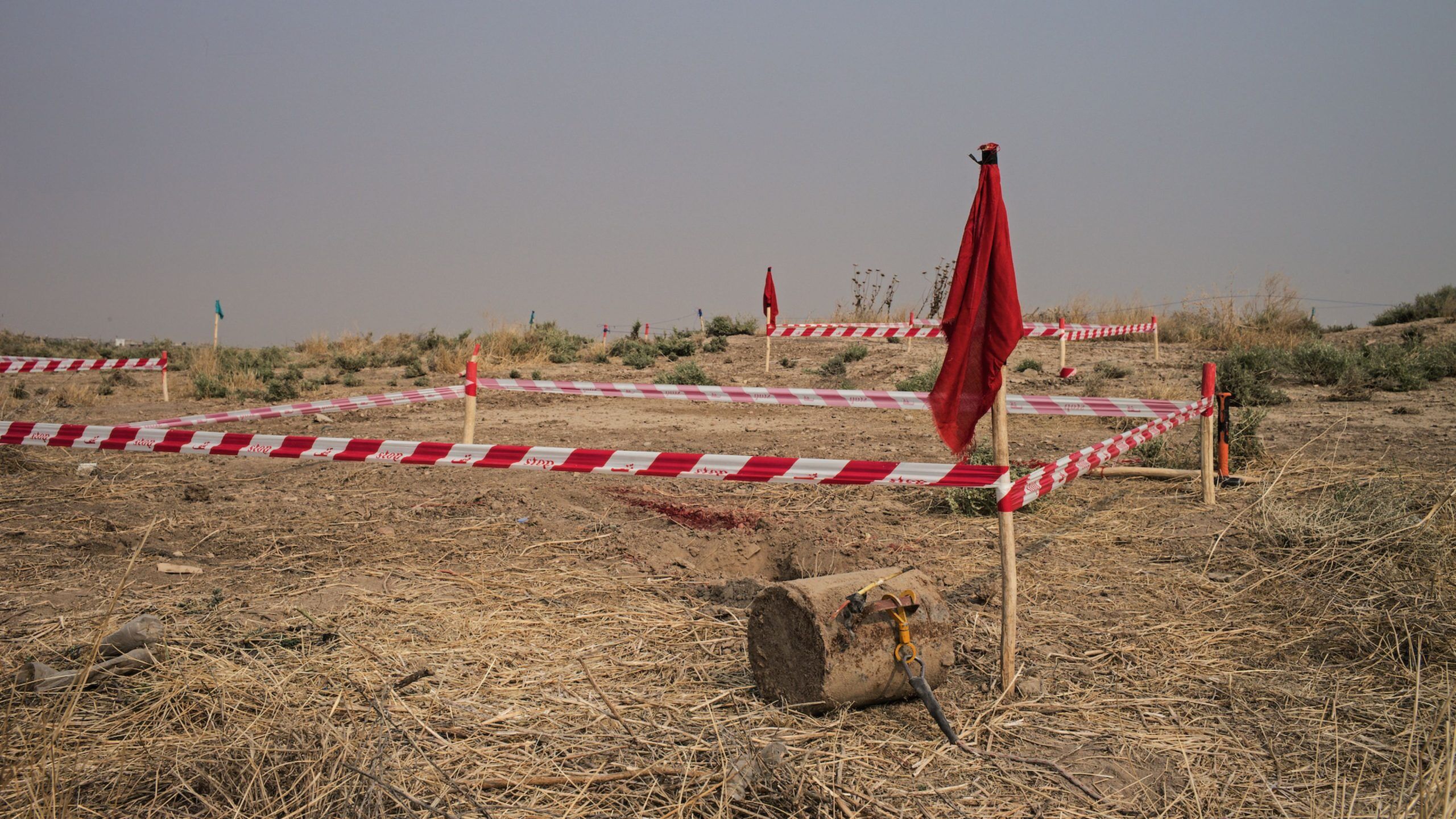
Improvised Explosive Devices (IEDs): the hidden threat that continues to kill after conflicts end
What are we talking about, exactly? An IED is a device made in an artisanal or improvised way, rather than…
Landmines and explosive remnants
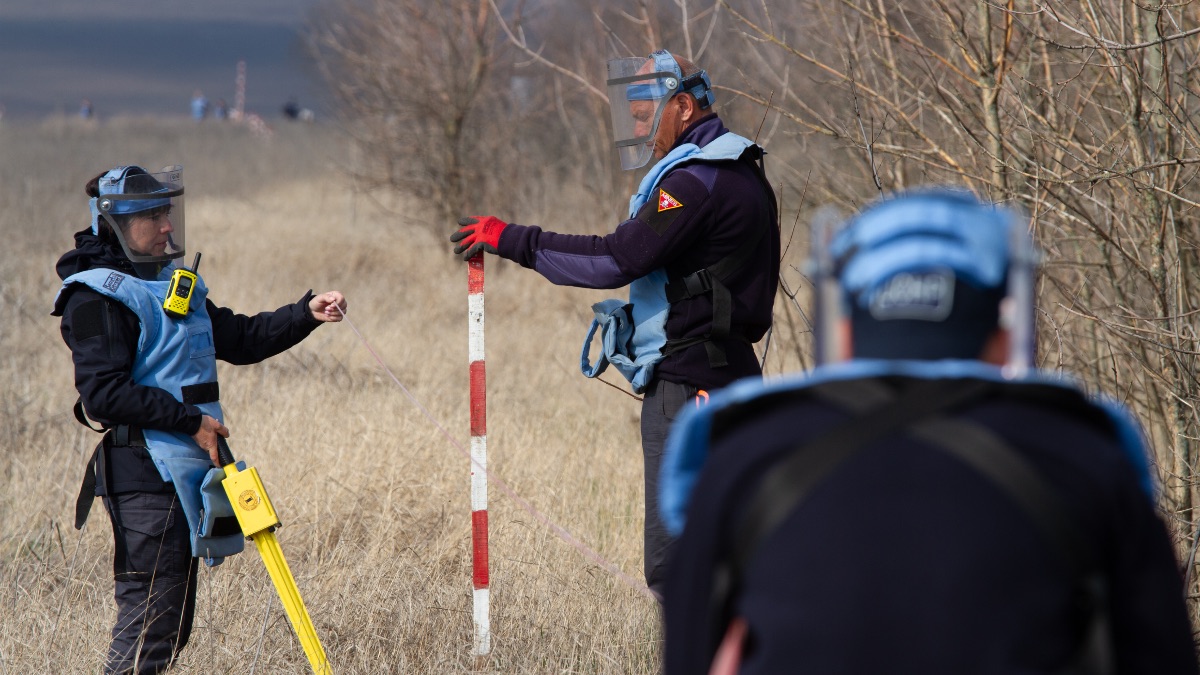
A Second Demining Team Takes Over Operations in Ukraine
These deminers have been trained and formed by FSD and are now part of the Ukrainian Center for Humanitarian Protection…
Humanitarian demining