We use audience measurement tools (such as Google Analytics 4 and Clarity), via Google Tag Manager, to understand how the website is used and to improve it. The data are used for statistical purposes only and are not used for targeted advertising.
Are landmines illegal? The Ottawa Convention explained
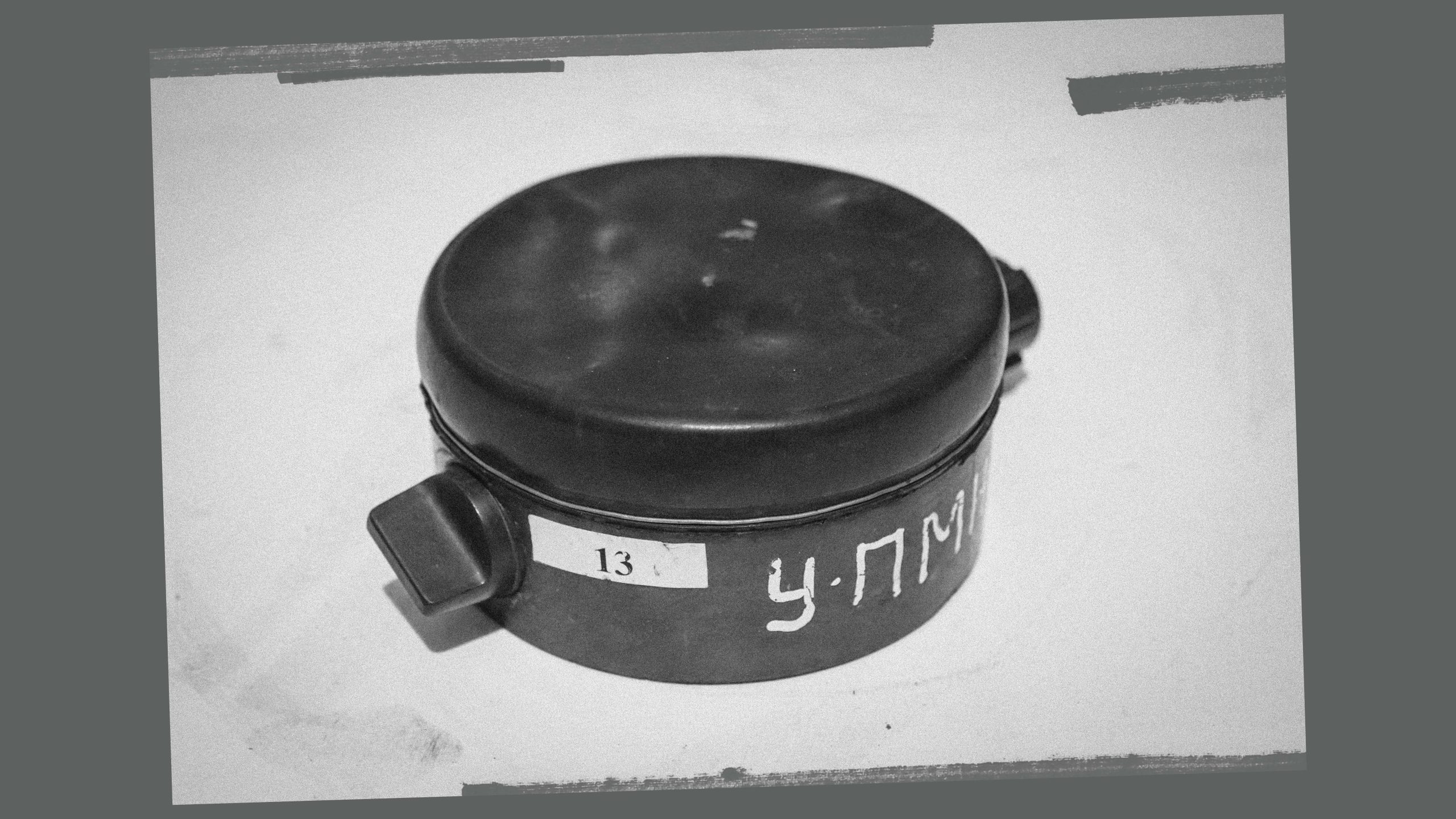
The Ottawa Convention is the international agreement that bans antipersonnel landmines. Also known as the Landmine Ban Treaty or the Antipersonnel Mine Ban Convention, it has helped reduce the global use of these weapons while protecting civilians in conflict-affected countries.
Landmines: a growing concern in the 1990s
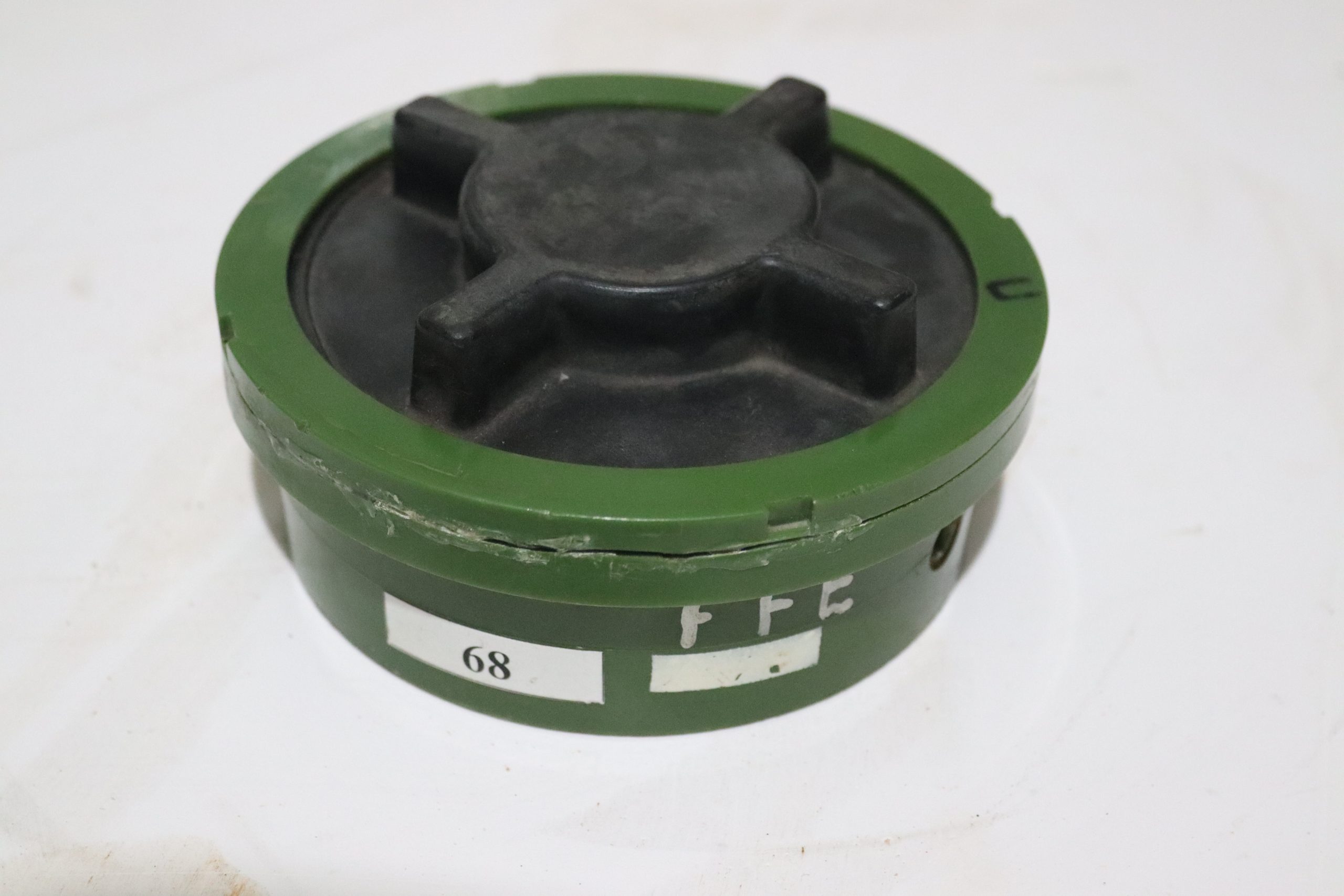
Landmines have existed since the mid-1800s, with early precursors first appearing during the American Civil War. But it was the Second World War that saw the modern antipersonnel mine emerge, when countries began producing them by the millions. Their use continued throughout the Cold War and in conflicts across Africa, Asia and the Middle East. For decades, landmines were considered an effective military weapon: they could slow advancing forces, protect positions and channel enemy movements. Over time, however, their lasting impact on civilians became impossible to ignore.
Left in the ground, they kept killing and injuring people for years, sometimes decades after the fighting had stopped. By the early 1990s, landmines had become one of the most pressing humanitarian problems in countries affected by conflict. Tens of thousands of civilians were killed or injured every year. Farmland became unusable; displaced families could not return home, and entire communities remained trapped in poverty because the ground beneath them was too dangerous.
In 1992, to counter that problem, six humanitarian organisations formed the International Campaign to Ban Landmines (ICBL) to address the crisis. Canada then took the lead in negotiating what would become the Ottawa Convention. At a conference in Ottawa in 1996, Canadian minister Lloyd Axworthy challenged states to return within a year with a completed treaty to ban landmines, bypassing the slower official negotiating process. By December 1997, 122 countries had signed. That same year, ICBL and its coordinator, Jody Williams, were awarded the Nobel Peace Prize.
This Landmine Ban Treaty was the result of an unprecedented effort by governments, humanitarian organisations, survivors and campaigners, who argued that the humanitarian consequences of antipersonnel mines far outweighed their military value.
That same year, a group of Swiss humanitarian professionals founded FSD to help put the treaty’s goals into practice, driven by the devastating consequences of landmines they had witnessed (learn more). Since then, FSD teams have cleared over 214,000 antipersonnel landmines, helping turn international commitments against landmines into results on the ground.
Did you know?
Nearly one in three countries is contaminated by landmines and explosive remnants of war.
What does the Ottawa Convention actually ban?
The Landmine Ban Convention prohibits antipersonnel landmines entirely. In practice, countries that join the treaty can no longer use, produce, acquire, stockpile or transfer antipersonnel mines (learn more).
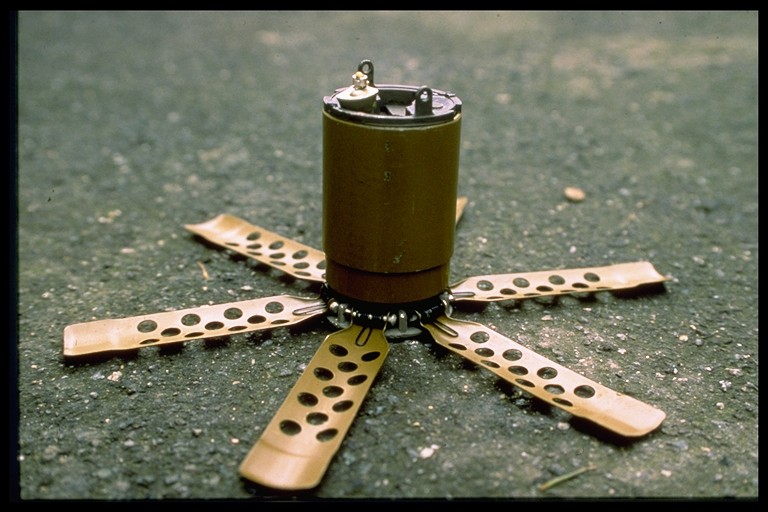
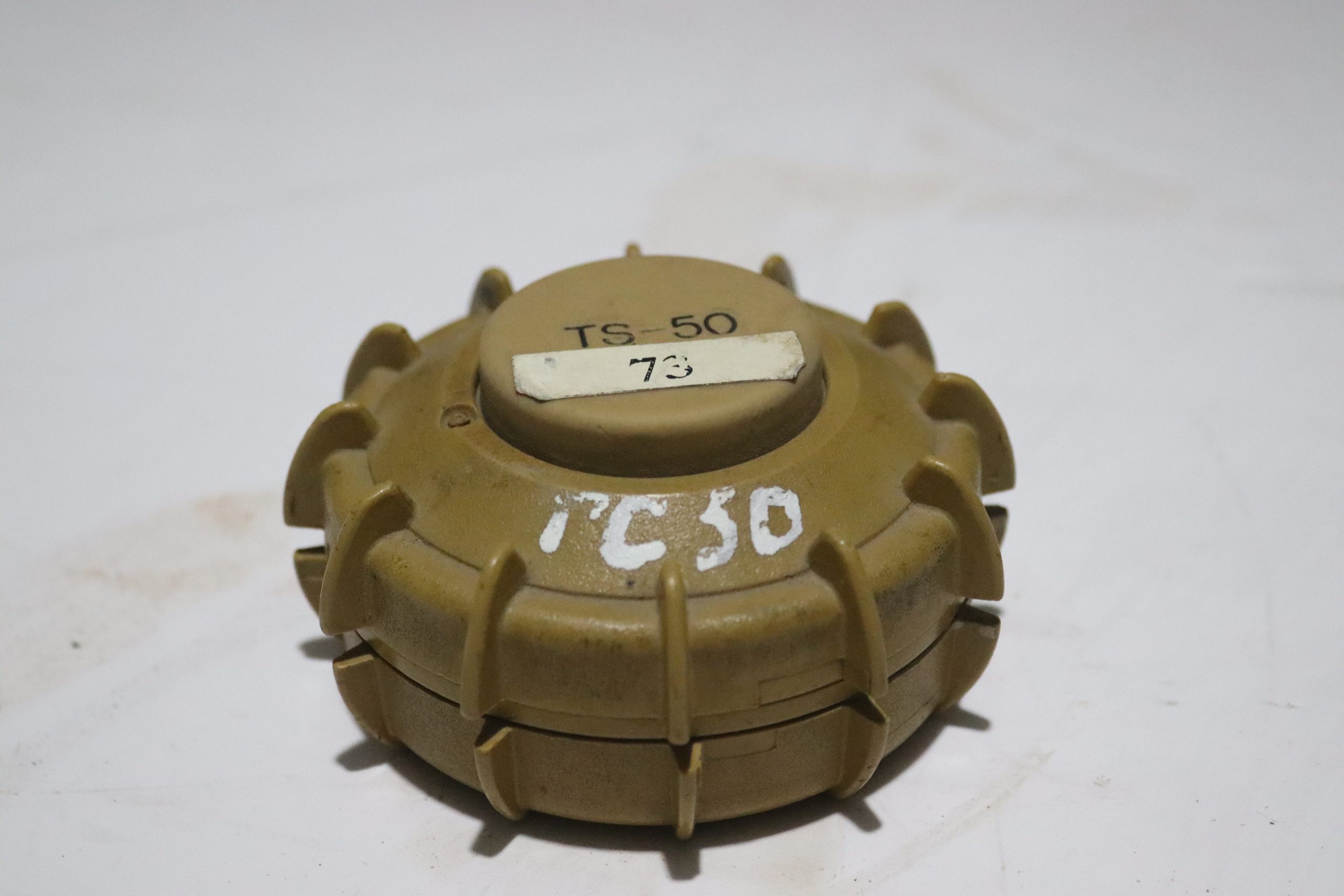
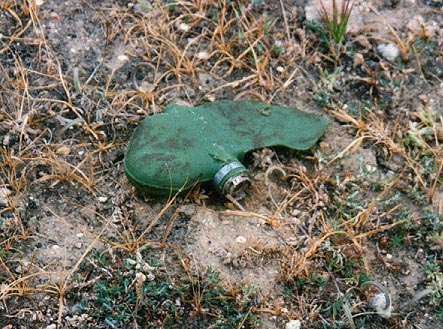
Not all mines are covered by the Ottawa Convention. The treaty applies specifically to antipersonnel mines, which are designed to detonate from the presence, proximity or contact of a person. Once laid, they cannot distinguish between a soldier and a civilian. This indiscriminate nature is one of the main reasons behind their prohibition and violates a fundamental principle of international humanitarian law. By contrast, anti-vehicle mines, which are designed to target vehicles and typically require greater pressure to detonate, as well as naval mines used at sea, fall outside the treaty’s scope.
Countries that join the Ottawa Convention must:
- destroy their stockpiles within four years
- clear all mined land within ten years (with extensions possible)
- provide assistance for mine victims
To fulfil their obligations, States Parties that do not have the capacity to address the scale of contamination themselves can call on organisations like FSD, which specialise in humanitarian mine action. This work involves surveying contaminated areas, locating and safely neutralising landmines, in close partnership with national authorities. By making land safer, it helps save lives, remove blockages on vital resources and enable communities to rebuild.
Has every country joined the Ottawa Convention?
The Ottawa Convention is one of the world’s most widely supported humanitarian disarmament agreements, with 162 States Parties — more than four out of five states worldwide (view the list of States Parties).
The most recent to join was Lebanon, in May 2026, following the Marshall Islands and Tonga in 2025. Lebanon’s accession was widely noted since it came while the country was still affected by active conflict. Some states that remain outside the treaty cite national security and defence concerns regarding restrictions on antipersonnel mines. These include major military powers such as China, India, Pakistan, Russia and the United States.
In 2025, Estonia, Finland, Latvia, Lithuania and Poland announced their withdrawal from the Ottawa Convention, while Ukraine announced that it would suspend its application of the Convention. These developments reflect growing pressure on the Landmine Ban Treaty amid a changing security environment.
As some states remain outside the treaty and others move to withdraw from it, continued efforts to raise awareness of the humanitarian consequences of antipersonnel mines remain essential.
The Ottawa Convention in action
So, has the Ottawa Convention actually made a difference? Although landmines continue to pose a major threat in many parts of the world, the Ottawa Convention has transformed the global response to these weapons. Since the treaty entered into force, significant progress has been made. More than 55 million stockpiled antipersonnel mines have been destroyed, with 94 States Parties completing the destruction of their stockpiles (source). The treaty has also helped establish a strong international norm against antipersonnel mines: while 12 states remain on the Landmine Monitor’s list of countries that develop, produce or acquire them, only four were identified as actively producing or developing antipersonnel mines in 2025 (source). Thirty-one States Parties have completed the clearance of mined areas since 1999, and in 2024 alone, more than 1,100 km² of land known or suspected to be contaminated was released and at least 105,640 antipersonnel mines were destroyed during land release activities (source).
Between 1999 and 2013 alone, the treaty is estimated to have saved more than 280,000 lives (source). It has also influenced countries that have not joined the treaty, with several adopting national policies restricting the use of antipersonnel mines.
The Ottawa Convention in figures
162
countries have joined the Ottawa Treaty
+ 55 million
stockpiled antipersonnel mines destroyed by States Parties
+ 280,000
lives estimated to have been saved between 1999 and 2013
The threat has not disappeared
Once laid, a landmine can remain active for decades unless it is located and destroyed. This is why contamination continues to affect communities long after conflicts have ended. In 2024, 6,279 people were killed or injured by landmines and other explosive remnants of war, the highest figure recorded in four years. Of these, 1,540 casualties were caused specifically by manufactured antipersonnel mines, the highest figure since 2011. Civilians accounted for nine out of ten casualties, and nearly half were children (source).
The figures for the period 2000–2024 come directly from the annual reports of the Landmine Monitor. Between 1997 and 2000, an estimated 15,000–20,000 people were killed or injured every year worldwide by anti-personnel mines (source). These figures only include reported casualties and therefore do not necessarily reflect the true scale of mine-related accidents.
The countries most affected include Myanmar, Ukraine, Afghanistan, Syria and Yemen (source). In recent years, new contamination linked to ongoing conflicts has added to the legacy of past fighting, contributing to a renewed rise in casualties.
These figures illustrate why organisations like FSD carry out demining in the first place. While contaminated areas are waiting to be cleared, contextualised explosive ordnance risk education helps communities understand the risks and adopt safer behaviours to prevent accidents. Ultimately, however, removing the threat requires clearance. But clearing mines and explosive remnants does more than just prevent casualties; it also means land can be farmed again, families can return home and communities can begin to rebuild. Demining is often one of the first steps in a country’s recovery, not an afterthought once the rest of the rebuilding is underway.
Did you know?
Out of every 100 civilian casualties caused by landmines and unexploded ordnance, 46 are children.
Who keeps track of whether countries comply with the Ottawa Convention?
The Ottawa Convention does not have its own international inspection or enforcement body. Instead, States Parties report regularly on the steps they are taking to meet their commitments, while independent organisations follow progress and flag possible concerns. The Landmine Monitor, an initiative of the International Campaign to Ban Landmines, provides independent reporting on the implementation of the treaty.
In parallel, the Implementation Support Unit of the Mine Ban Convention, based in Geneva, helps States Parties put the Convention into practice. Countries also meet regularly to discuss progress and challenges. Every five years, a Review Conference brings States Parties and other actors together to take stock of progress and agree on priorities for the years ahead. The latest was held in Cambodia in November 2024, with FSD taking part alongside States Parties and other mine action organisations.
As long as antipersonnel mines continue to be laid, humanitarian mine action will remain essential. But every mine destroyed, every field cleared and every community made safe brings the world one step closer to the goal of the Ottawa Convention: a world free from antipersonnel mines.
The positive thing is that, because of the convention and the work of demining organisations in many countries, the danger posed by antipersonnel landmines has been reduced. A lot of land has been cleared.
Hansjörg Eberle
FSD Director
Mine Action 101
View all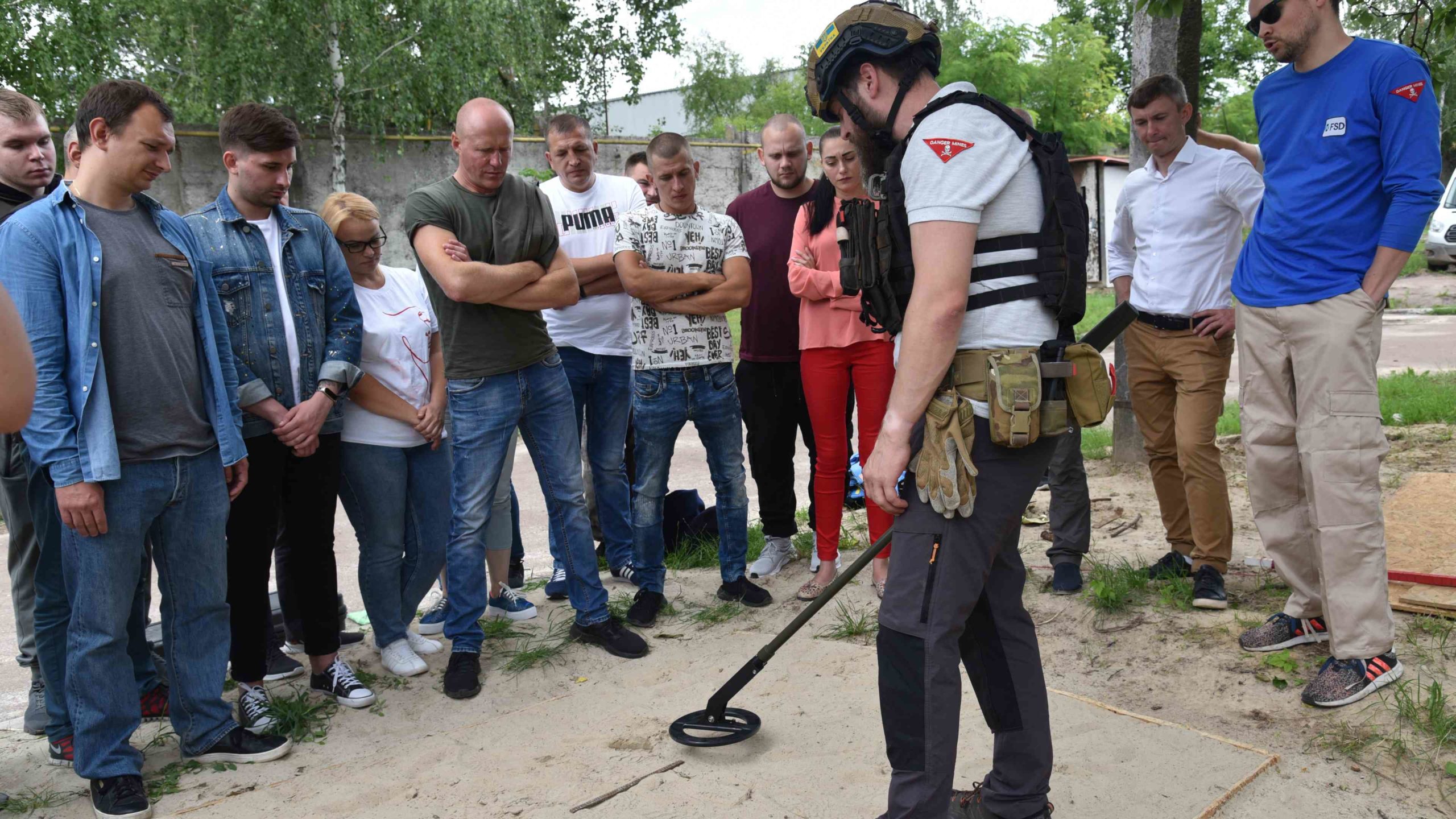
How to become a deminer?
Different roles for effective demining? FSD’s deminers come from all walks of life: farmers, teachers, IT specialists and many others….
Humanitarian demining Iraq

Accidental explosions: what are the high-risk behaviours?
While almost one in three countries in the world is contaminated by landmines and explosive remnants of war, thousands of…
Prevention and risk education Children Ukraine
What is a landmine?
How do landmines work? Landmines are generally placed on the surface of the ground or buried. They are designed to…
Landmines and explosive remnants Humanitarian demining