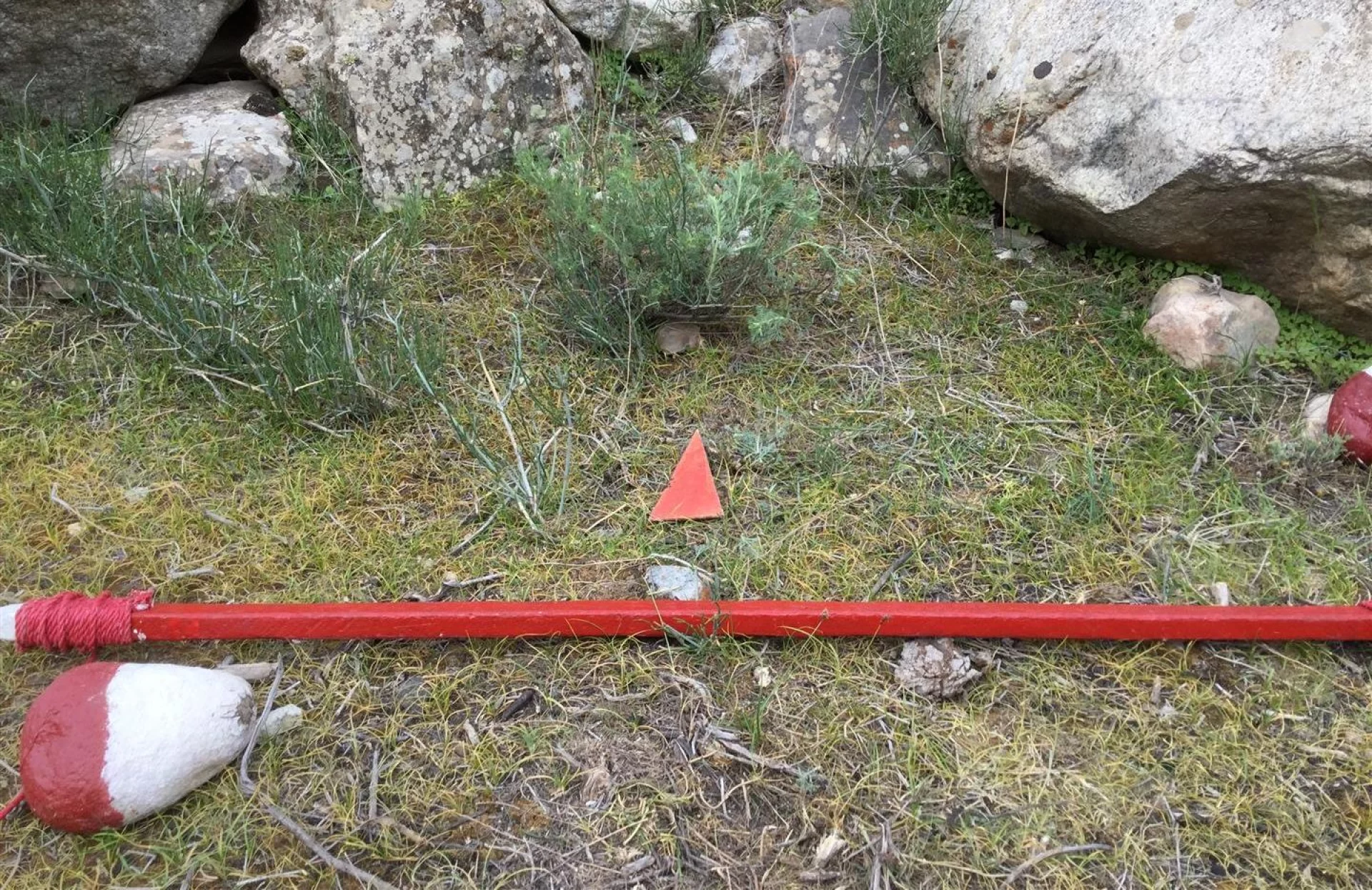
A landmine is a munition designed to be placed under, on or near the ground or other surface area and to be exploded by the presence, proximity or contact of a person or a vehicle (Ottawa treaty 1997). They are generally divided into two main categories: anti-personnel landmines and anti-vehicle landmines.
How do landmines work?
Landmines are generally placed on the surface of the ground or buried. They are designed to explode when triggered by pressure, movement, a tripwire, on command, or via sophisticated proximity sensors. Once activated, the firing mechanism detonates the mine’s explosive charge almost instantly. Anti-personnel landmines are designed to injure individual persons and can be triggered by a weight of as little as 2 kg in the case of a tripwire pull, or around 5kg in the case of a pressure activated mine. Anti-vehicle landmines target vehicles (usually tanks) and generally require more than 100kg of pressure to initiate , as they are designed to specifically target the heavier “footprint” of a vehicle. Depending on their design, landmines may contain metal, plastic or a combination of both, and some older mines were even made mainly of glass and wood making some types particularly difficult to detect.
What are the different types of landmines?
There are hundreds of different types of landmines used around the world, with a wide range of functions and initiation mechanisms. Some of the most common ones encountered by FSD’s staff in the field include:
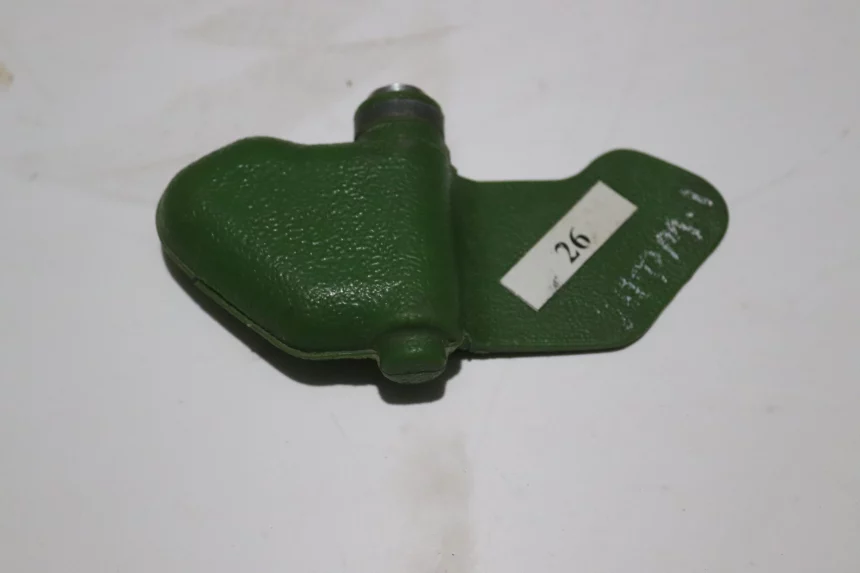
PFM-1
Commonly known as the “butterfly landmine” the PFM-1 is an anti-personnel landmine that can be dispersed in large numbers from aircraft, helicopters, or rockets. The landmine does not explode when it deploys, but detonates later when touched or stepped on. In countries such as Afghanistan, thousands of PFM-1 mines still contaminate land and continue to cause civilian casualties every year.
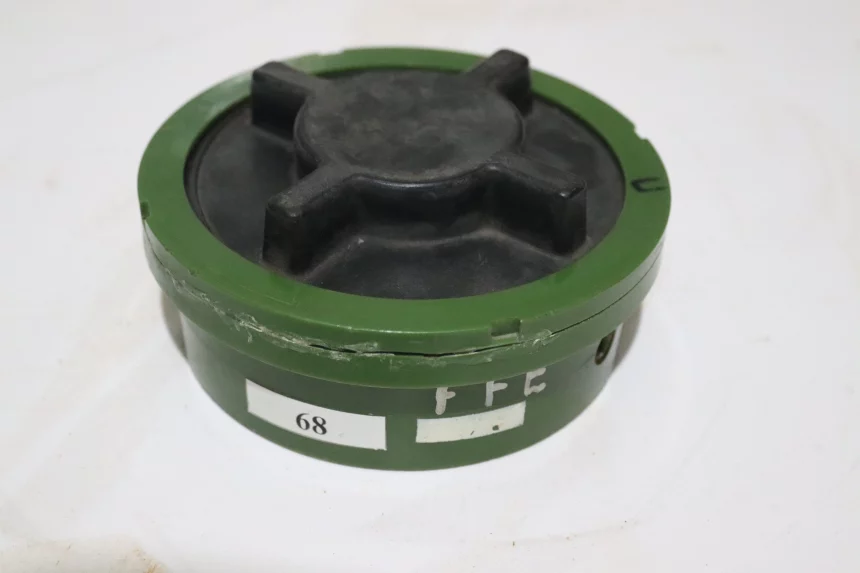
PMN Series AP blast mine
This series of Anti-personnel mine (PMN 1-4) represents one of the common explosive hazards encountered by FSD in the field. This type of mine was developed to inflict blast injuries to the lower limbs and has been placed around trenches and strong points worldwide as well as around roads, tracks, and field boundaries, remaining a hazard to civilians transiting these areas and farmers. A pressure activated mine; some of the newer variants also contain tilt sensitive anti-handling devices which require sensitive disposal or demolition in place.
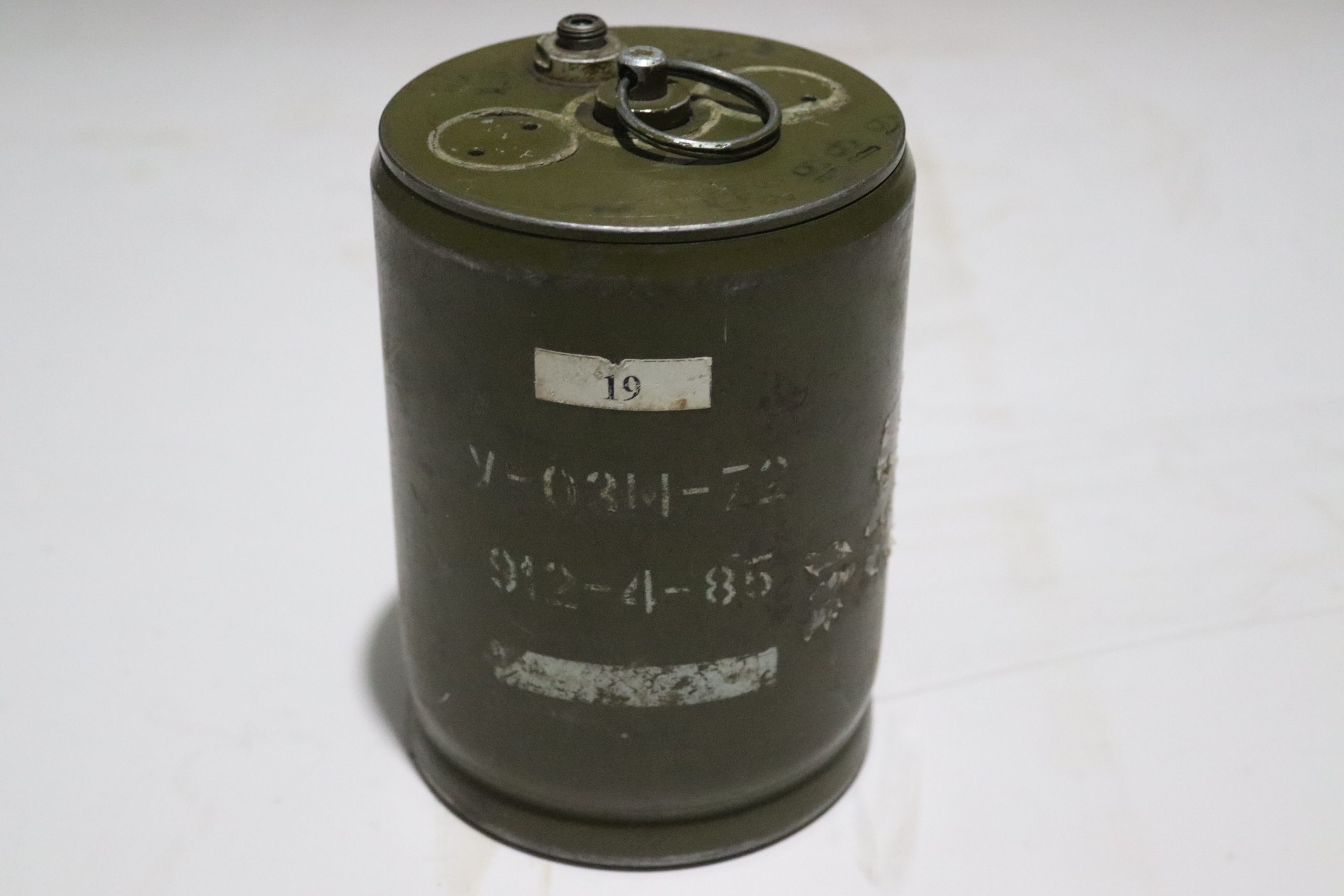
OZM 72 AP bounding mine
This is a typical “bounding” mine which, when triggered, is designed to propel a fragmentation charge into the air which detonates at groin height (around 0.6-0.9 m) and targets personnel with metal fragments omnidirectionally, with a lethal radius of 25m. Mines of this type, and related, non-bounding stake mines such as the POM-Z, are often initiated by tripwires and may be linked together.
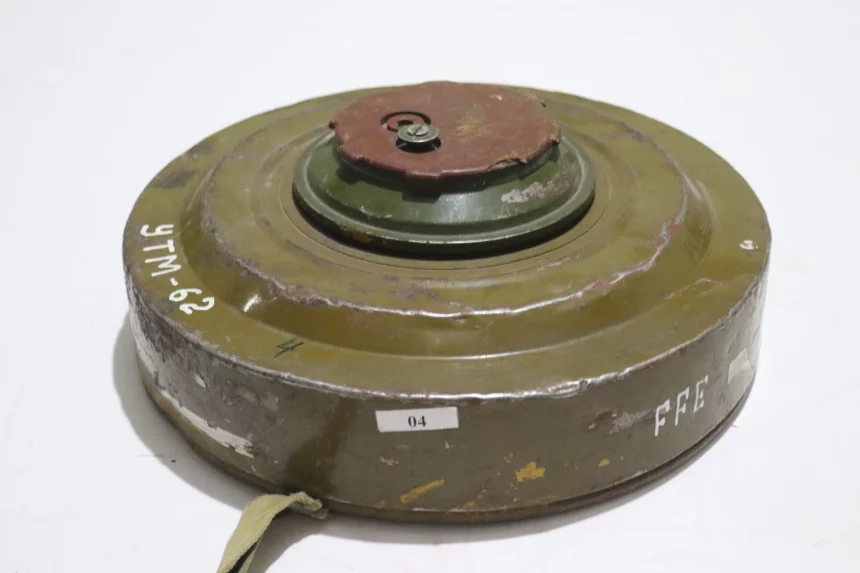
TM-62-M AT mine
This is a typical blast effect anti vehicle mine which uses a relatively large amount of high explosive to generate a massive blast effect channeled onto the underside of vehicles. This blast is designed to blow off the tracks or wheels of a fighting vehicle and incapacitate or kill the occupants. If mines of this type are triggered by unarmoured civilian vehicles, the effect can be catastrophic.
Landmines: a lasting problem
Landmines don’t have expiry dates. Some contain self-destruct mechanisms, but these do not always function as intended. Mines can remain active for decades, long after wars and conflicts have ended and in some cases they can degrade and become more sensitive as they age. Buried underground or hidden on the surface, they continue to threaten civilians, block access to farmland, prevent reconstruction and slow economic recovery.
Receive field updates, operational insights and stories from the communities affected by landmines and explosive remnants of war.
"*" indicates required fields
What happens if you step on a landmine?
When a person steps on a landmine, the pressure activates the firing mechanism and causes the device to function immediately. The effects depend on the type of landmine, the amount of explosive material and the distance from the blast.
Anti-personnel landmines are designed to cause severe injuries such as amputations, burns, blindness or fragmentation wounds. Survivors frequently require long-term medical care, rehabilitation and psychological support. FSD has worked in several countries to support the recovery of mine and conflict victims through socio-economic support activities and is currently leading a project designed for conflict victims in Colombia.
Anti-Vehicle landmines may not initiate when stepped on by people due to their different actuating pressure, but degradation of the mine’s mechanisms over time may still cause it to function. Anti-vehicle mines may also be buried below or near AP mines (mine stacking) which can cause them to initiate, potentially creating widespread casualties.
Demining on screen: Are these movie scenes realistic?
Reality or fiction: have your say and find out what cinema really gets right… and wrong about demining.
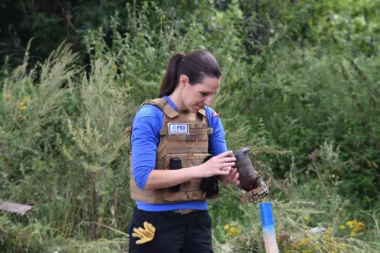
Landmine clearance requires highly specialised training and strict safety procedures. To detect mines, deminers most commonly use metal detectors and other specialised equipment to scan the ground. Once a suspicious area is identified, the area is carefully investigated and the device is uncovered manually using precise techniques.
Then, depending on the type, condition and stability of the landmine, an expert decides on the safest method of disposal. In some cases, the device can be removed and neutralized safely and in others, the safest option is to destroy it where it is site through a controlled explosion.
Are landmines banned?
Anti-personnel landmines are prohibited under the “Convention on the prohibition of the use, stockpiling, production and transfer of anti-personnel landmines and on their destruction (Ottawa treaty, 1997)”. This convention was created in response to the devastating humanitarian impact of landmines on civilian populations. Today, more than 160 states have joined the treaty. Humanitarian demining efforts have helped prevent thousands of potential accidents. However, landmines are still present in almost one country out of three in the world, the number of mine victims are still very high with 4’535 victims recorded in 2024.
Since 1997
214’000
antipersonnel landmines rendered safe by FSD
5’619
anti-vehicle landmines rendered safe by FSD
+470
square kilometres of land cleared by FSD
Who is responsible for removing landmines after conflicts?
Nation states are responsible for clearing contaminated land after conflict but demining operations require specialised expertise, equipment, funding and long-term commitment. Humanitarian organisations such as FSD support affected countries by conducting clearance operations, training national mine action authorities, and developing risk education programmes to help communities stay safe. These efforts are conducted in partnership with the countries where we work; FSD strives to develop the countries’ internal capabilities and expertly train national staff to ensure the mine clearance process is sustainable and localized as much as possible.
This website uses cookies to ensure a better user experience and to measure the effectiveness of our campaigns.
More information .
Audience measurement
We use audience measurement tools (such as Google Analytics 4 and Clarity), via Google Tag Manager, to understand how the website is used and to improve it. The data are used for statistical purposes only and are not used for targeted advertising.
Advertising & campaign measurement
We also use tags related to Google Ads in order to measure the performance of our campaigns and, where appropriate, to offer you more relevant advertisements.
Scroll for more options
25,000 people get our monthly update. Join them!
Receive one email a month with behind-the-scenes insights into humanitarian demining. No spam