We use audience measurement tools (such as Google Analytics 4 and Clarity), via Google Tag Manager, to understand how the website is used and to improve it. The data are used for statistical purposes only and are not used for targeted advertising.
Improvised Explosive Devices (IEDs): the hidden threat that continues to kill after conflicts end
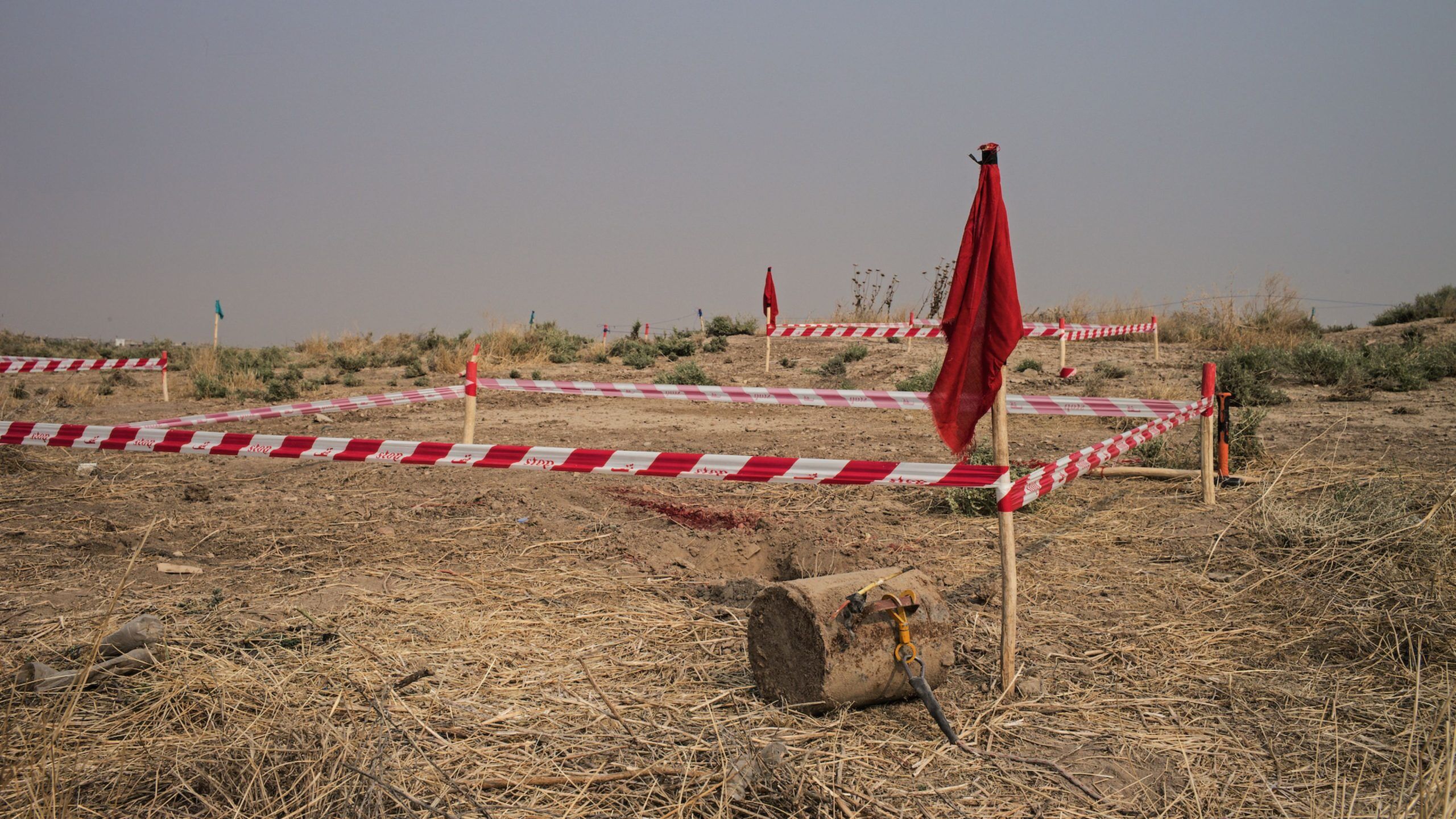
Improvised explosive devices (IEDs) are explosive devices that are not manufactured through standard military production but are assembled from available materials, including commercial components and everyday items. In 2024 alone, these devices caused 5,268 civilian casualties across 41 countries.
What are we talking about, exactly?
An IED is a device made in an artisanal or improvised way, rather than through conventional commercial or military production. Whilst military components may be incorporated as part of these devices, the materials used in their construction are often adapted from commonly available materials. These can include industrial or commercial chemicals and agricultural fertilisers used as the basis for explosive charges, basic household electrical components, and any suitable repurposed containers. IEDs are generally used by non-state actors and can be employed in several ways. Some IEDs are also referred to as improvised or artisanal mines when their design or function is similar to that of conventional military landmines used as anti-personnel or anti-vehicle obstacles.
Why are they such a concern?
Conventional landmines and items of ordnance, produced industrially, are made to standardised specifications and initiate via known mechanisms. Once these items are positively identified, deminers understand how they function and the threat they represent. Also, conventional mines and weapons have finite and known uses and operating parameters with specific methodologies of deployment. With IEDs, that predictability disappears. Each device is unpredictable and the switching or trigger mechanism, the explosives used and the components incorporated can introduce thousands of unknown variations in their function and effects. Their shape, size, materials, explosive composition and initiation system can vary from one manufacturer to another, and even from one device to the next.
In Iraq, for example, the so-called Islamic State produced hundreds of thousands of IEDs, emplacing them in defensive belts as improvised minefields. Explosive charges were made from agricultural fertiliser bases, powered by simple 9-volt batteries, and housed in jerrycans, plastic palm oil containers or heavy metallic casings designed to cause fragmentation effects. Some of these devices were designed to minimise metallic content so that they could not be detected with standard metal detectors.
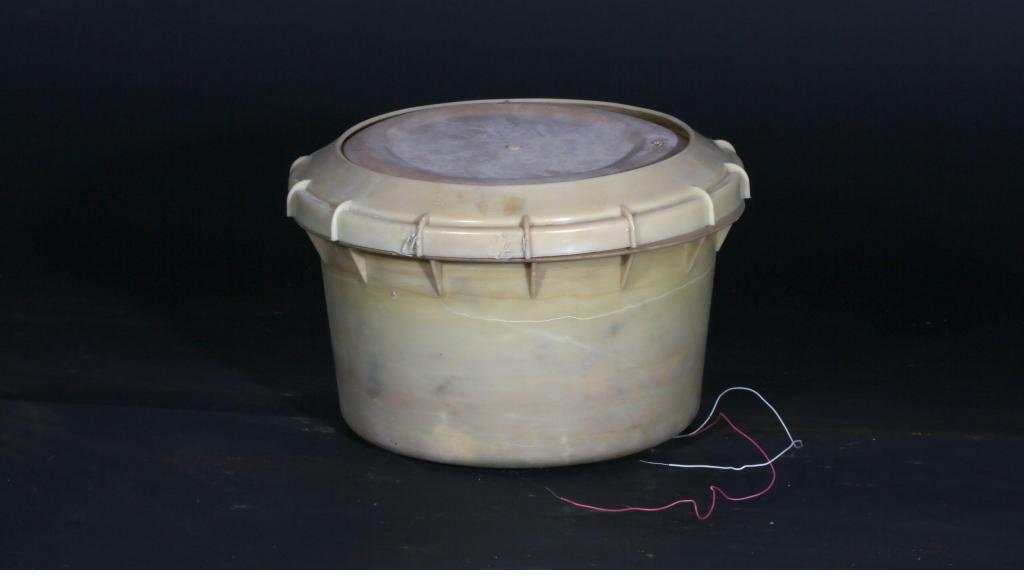
As long as they are not cleared, entire areas seeded with these devices remain inaccessible. Displaced families cannot return home. Agricultural land cannot be used. Schools, hospitals and roads remain contaminated. The human cost continues long after the end of hostilities.
Anatomy of an IED:
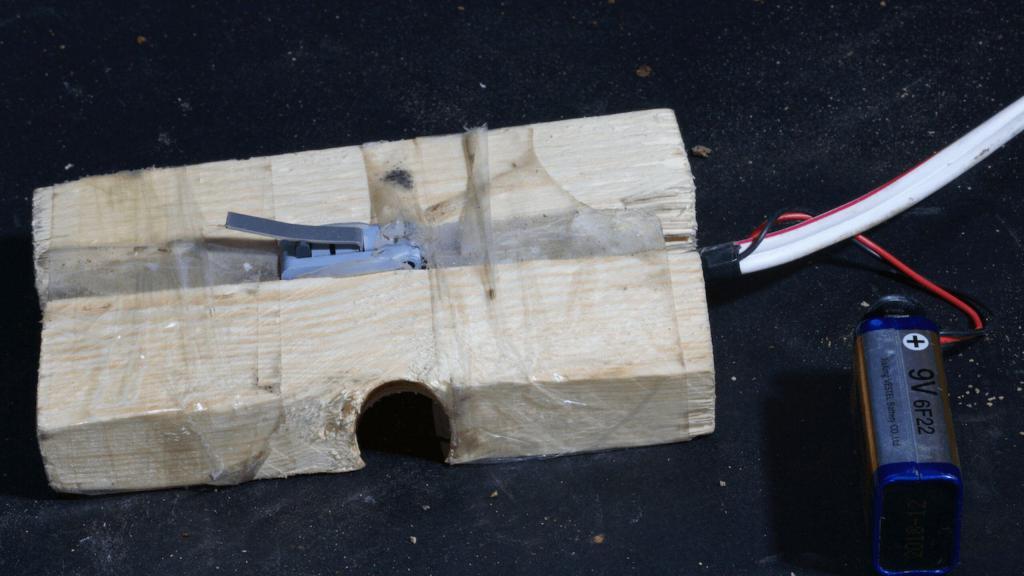
Despite their diversity, IEDs are generally built around five core components: an explosive charge, a primary explosive and/or initiator, a firing mechanism (switch), a power source and a container. What varies is the nature of these elements and how they are assembled.
Some devices are extremely simple. A pressure plate fixed to a wooden base and connected to an initiator and main charge with a battery can be enough. Stepping on it can trigger the explosion without the victim realising. Others are more sophisticated, designed to be initiated remotely using a mobile phone or a remote control or by timers. This variation is what makes the clearance of IEDs more complex.
Their appearance can be entirely ordinary. In some contexts, IEDs have been hidden inside toys, household appliances, under doorways or in vegetation. This ability to blend into everyday surroundings is what makes them such a difficult and dangerous threat. It is not only the device design that dictates the risk from an IED; the intended target and the methodology of emplacement also add to the complexity of the threat.
How do deminers deal with these devices?
When faced with an IED, standard demining procedures are not enough. The first step is always a wider threat analysis of the circumstances, local environment, intended target, size and characteristics of the device and its location. It is essential to understand as much as possible about the device and how it functions before taking any further action. What type of initiation system is used? What is the explosive charge and effect? Where are the different components located?
Some IEDs also include additional triggers or anti-handling devices designed to target the deminer or disposal specialist. This means teams must remain particularly vigilant and anticipate unexpected hazards. Specialist training is required to undertake this work safely and to conduct IED disposal operations. It also often requires multi-agency coordination for localised safety, threat assessment, medical contingency and cordon and evacuation.
The priority in IED disposal is always to protect life and then infrastructure, before collecting evidence and forensic material, and returning the situation to normality. The approach is always to use remote means and tools (remotely operated vehicles/platforms) or semi-remote means (ropes, pulleys and attachments, for example) to carry out any actions. Manual handling and manual actions are discouraged and reserved only for critical emergency situations where human life is in immediate danger.
IEDs can often also be observed from a distance by those who lay them in order to better understand how intended targets react, and how disposal operations are conducted. In non-permissive environments, additional actions are needed to guard against predictable routines and disposal methodologies; this can include, in many cases, refraining from videoing and publicising render safe procedures and methods. This ultimately puts those disposal experts at risk in the future.
Discover drone footage captured in Iraq.
An international framework for operations
There is no single operational response appropriate to every IED. The capabilities required to deal safely with an improvised device depend on the nature and complexity of the device, the wider threat environment and the circumstances in which it is encountered.
For mine action organisations, the International Mine Action Standards (IMAS), including IMAS 09.31 on Improvised Explosive Device Disposal (IEDD), provide an important international framework for the management of IEDD activities. They establish requirements and guidance concerning areas such as organisational responsibility, personnel competence, training, equipment, accreditation and quality management. IMAS are intended to support the development of national standards and organisation-specific procedures appropriate to the threats encountered in each operating context.
IED threats range considerably in complexity, and operations conducted in a stable, post-conflict environment against abandoned devices are fundamentally different from those undertaken in an active or hostile threat environment. The appropriate response must always be determined by a thorough assessment of the threat, followed by the use of personnel, equipment and procedures appropriate to that threat. Where a device or situation falls outside an organisation’s assessed and authorised capability, the appropriate response is not to proceed, but to stop and refer the task to a suitably qualified and equipped capacity.
FSD conducts IED clearance only within clearly defined operational parameters. Its procedures, training, supervision and quality-management arrangements are adapted to the threats and environments in which its teams are authorised to operate, and activities are conducted in accordance with applicable national requirements and accreditation arrangements. International standards provide an important baseline and reference framework, but safe IEDD ultimately depends upon matching the threat, operating environment, personnel competence, equipment and procedures to the task being undertaken.
The full IMAS 09.31 standard is available at mineactionstandards.org.
The scale of the problem in numbers
Data from the Explosive Violence Monitor paint a concerning picture. IEDs were recorded in 41 countries in 2024, causing 5,268 civilian casualties. These figures likely underestimate the reality: many victims are not recorded in conflict-affected areas, and some regions remain inaccessible to assessment teams.
At a glance
41
countries recorded IED incidents in 2024
5,268
civilian casualties caused by IEDs in 2024
+25,800
IEDs located and destroyed by FSD in Iraq since 2016
What FSD is doing
Iraq is the main context in which FSD has been regularly confronted with IEDs. Since 2016, FSD’s deminers, specifically trained to deal with this threat, have located and neutralised more than 25,800 of these devices across the country.
What is the difference between a conventional anti-personnel mine and an IED?
A conventional mine is manufactured industrially according to military standards. An IED is assembled by hand using locally available materials. Its appearance, composition and functioning are unpredictable, making it more difficult to detect and render safe.
How many countries are affected by improvised explosive devices?
According to the Explosive Violence Monitor, improvised explosive devices were reported in 41 countries.
How much does it cost to clear improvised mines?
An improvised mine can cost just a few francs to make, but locating and neutralising it is far more expensive. Depending on the terrain, the accessibility of the area and the nature of the device, costs can range from several hundred to several thousand francs per item.
Are improvised mines prohibited under international law?
Improvised mines are banned under the Ottawa Convention if they are designed to function in the same way as anti-personnel mines. The use of other types of IEDs is also restricted in their use and often banned under International Humanitarian Law (IHL).
Mine action 101
View all
What is a landmine?
How do landmines work? Landmines are generally placed on the surface of the ground or buried. They are designed to…
Landmines and explosive remnants Humanitarian demining
How to become a deminer?
Different roles for effective demining? FSD’s deminers come from all walks of life: farmers, teachers, IT specialists and many others….
Humanitarian demining Iraq

Mine clearance in the mountains of Mosul
Dear Reader, My name is Chris Hunter and I’ve been part of FSD’s team in Iraq for several years. As…
Humanitarian demining Iraq