We use audience measurement tools (such as Google Analytics 4 and Clarity), via Google Tag Manager, to understand how the website is used and to improve it. The data are used for statistical purposes only and are not used for targeted advertising.
Central African Republic
Community Recovery Peace and Stability
Socio-economic development Support to peace processes
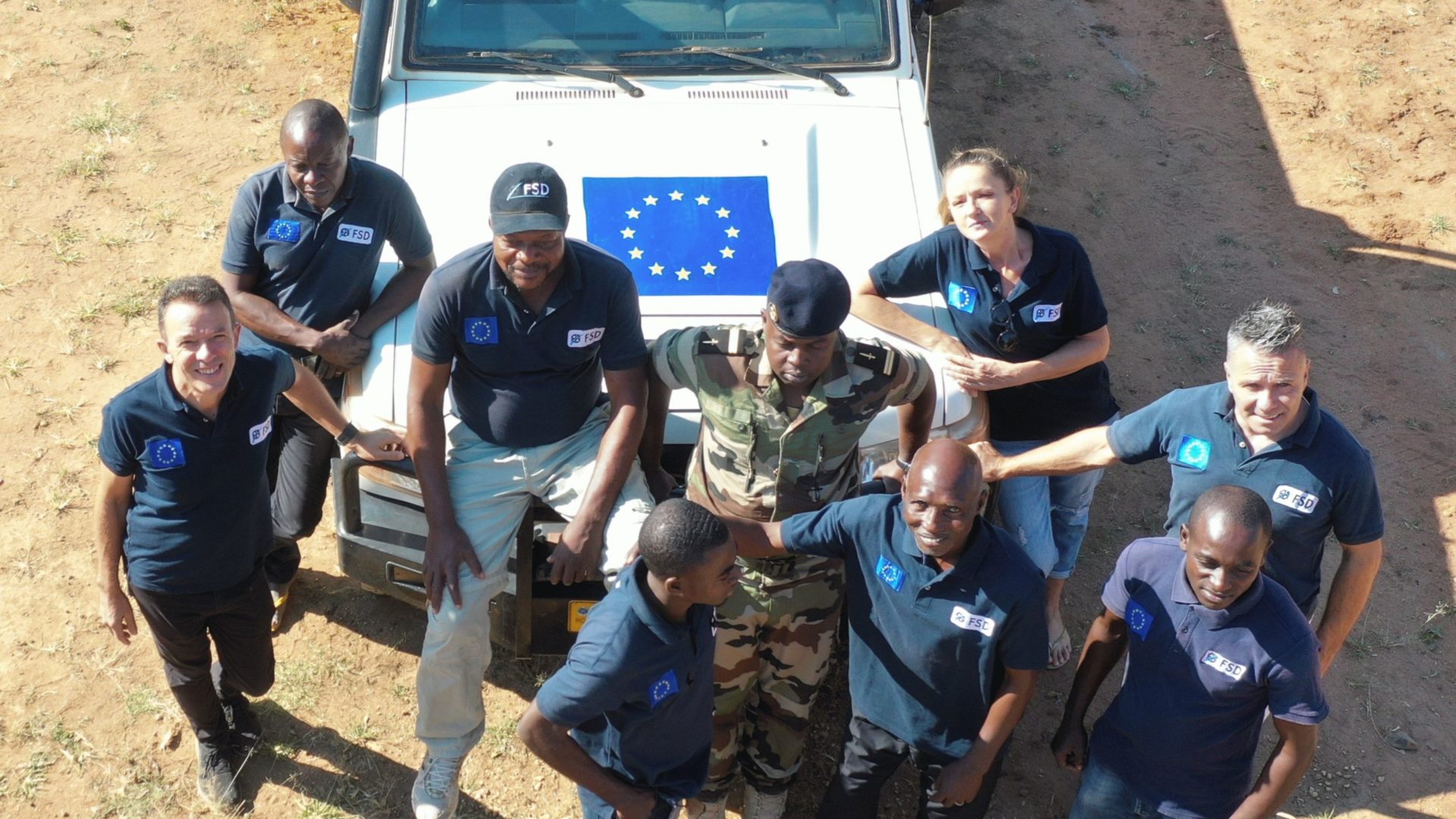
Since 2014, FSD has been implementing a range of projects in the Central African Republic to strengthen the peace process, support the most vulnerable communities and promote sustainable socio-economic development.
Decades of conflict and a major humanitarian crisis
The Central African Republic remains affected by decades of armed conflict and persistent instability, including recurring tensions between nomadic pastoralists and local communities. Although security has gradually improved in recent years, thousands of families remain displaced from their homes, while food insecurity and climate shocks continue to aggravate underlying fragility across the country. In many regions, access to water, healthcare and basic services remains limited.
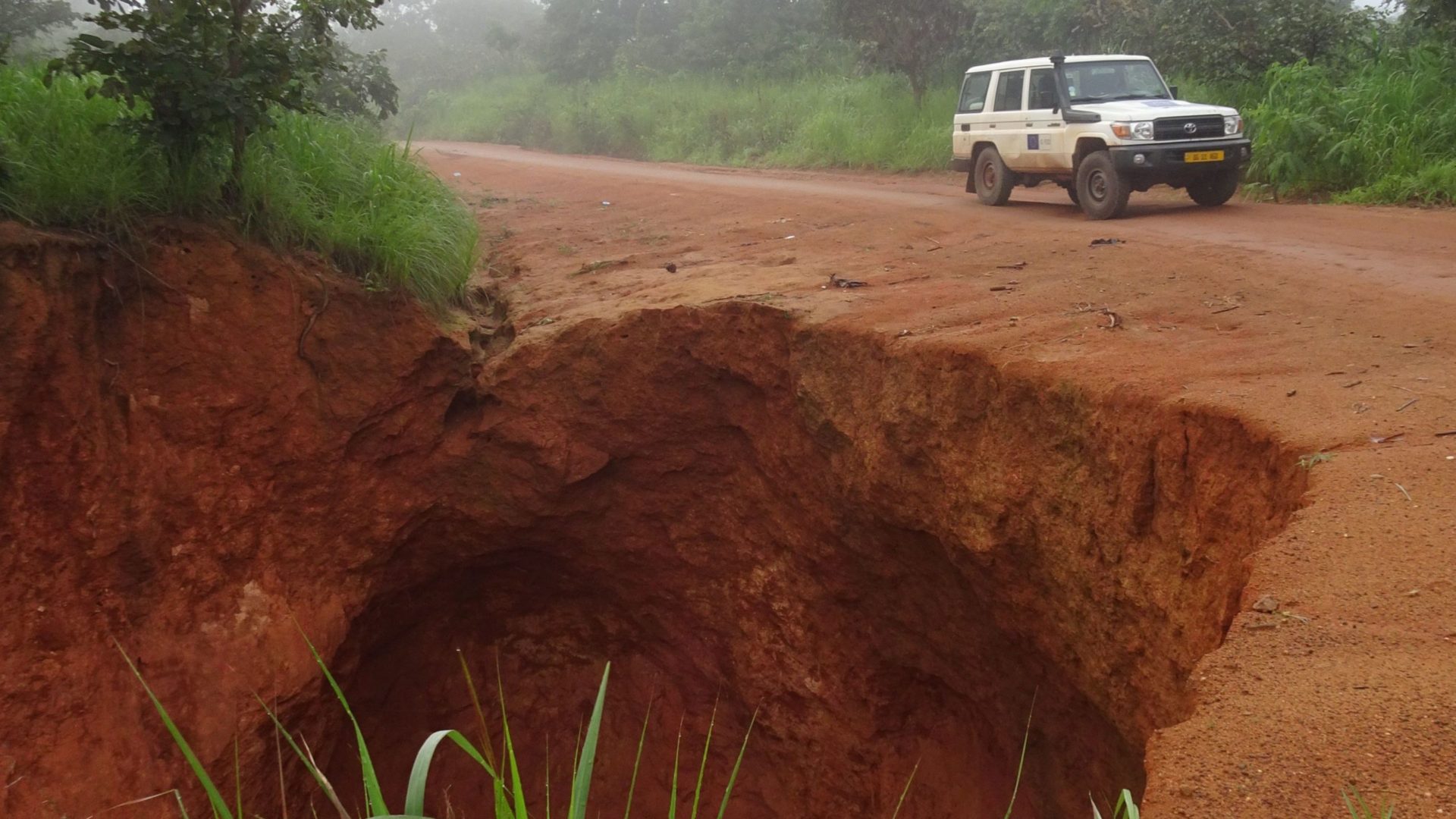
This situation is compounded by an invisible threat: the presence of landmines and explosive remnants of war, which continue to injure and kill civilians while restricting movement. With limited state capacity and access to public services, deteriorating road infrastructure further isolates communities, weakening local economies and exacerbating tensions.
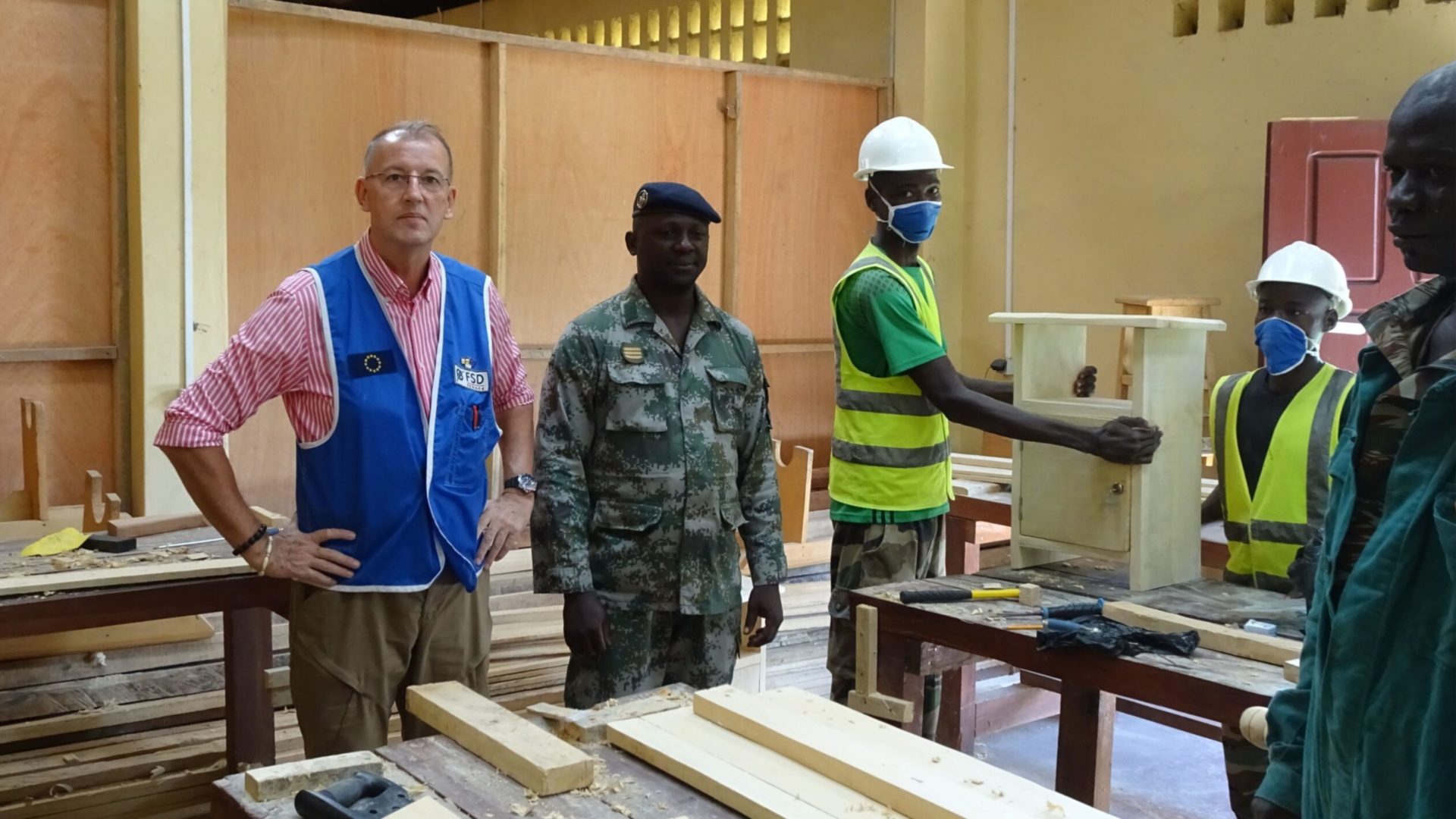
Thanks to the disarmament project, I now have a job and have built things with my own hands. I could never give all this up to take up arms again.
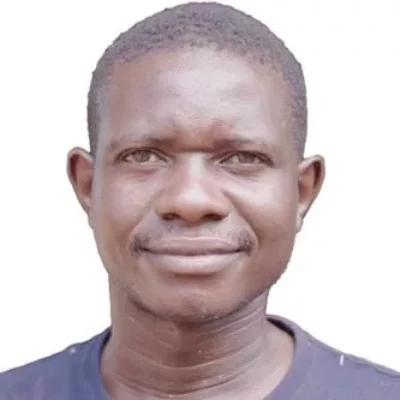
Former rebel combatant
trained in carpentry by FSD
Rehabilitating infrastructure and reconnecting communities
As part of disarmament efforts, FSD supported the reintegration of former members of armed groups between 2020 and 2024 through vocational training programmes designed to facilitate their return to civilian life. Since 2026, FSD has also been supporting the rehabilitation of the Bouar–Bocaranga road corridor to reconnect communities with markets and essential services. The rehabilitation works will be paired with hands-on training for local workers, including young people and former combatants, equipping them with practical skills in road maintenance. An environmental component will also be integrated to reduce erosion through tree planting, improved drainage systems and better management of surface water run-off.
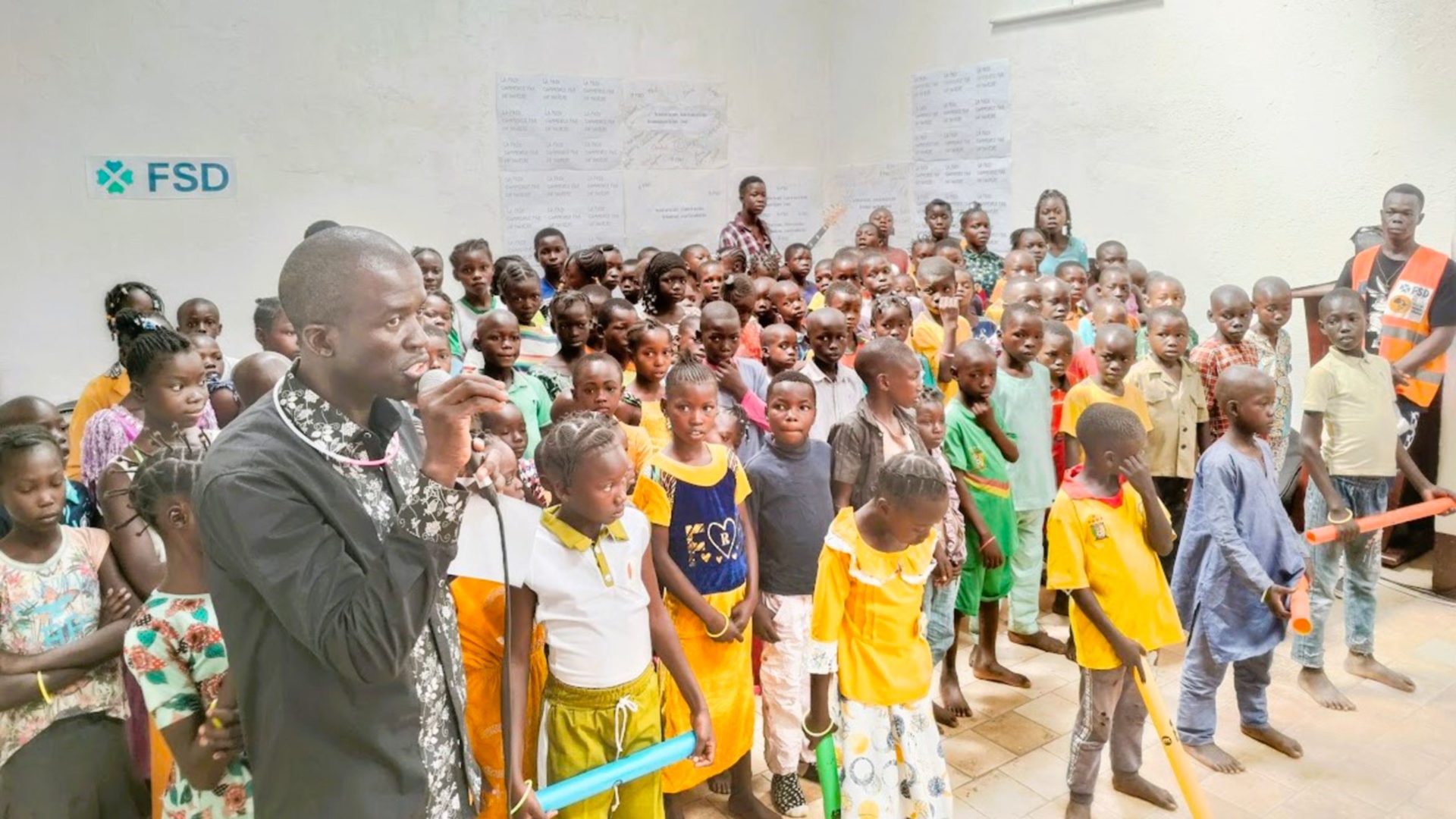
In areas affected by explosive ordnance contamination, FSD will also conduct explosive ordnance risk education activities to reduce the risk of accidents around work sites and along key transport routes. To prevent tensions related to access to resources, particularly between nomadic pastoralists and farmers, FSD will support local mediation initiatives and facilitate transhumance routes.
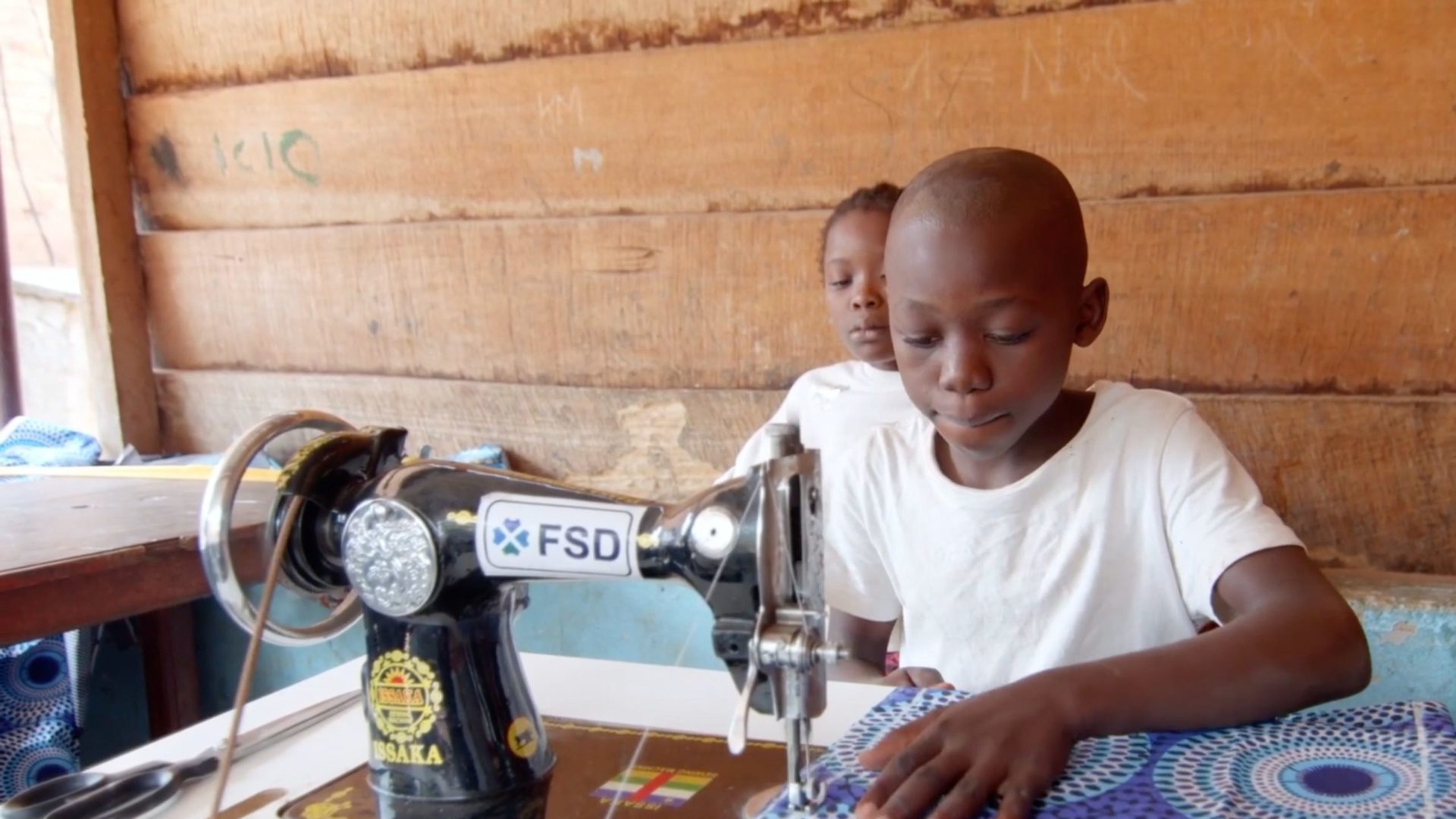
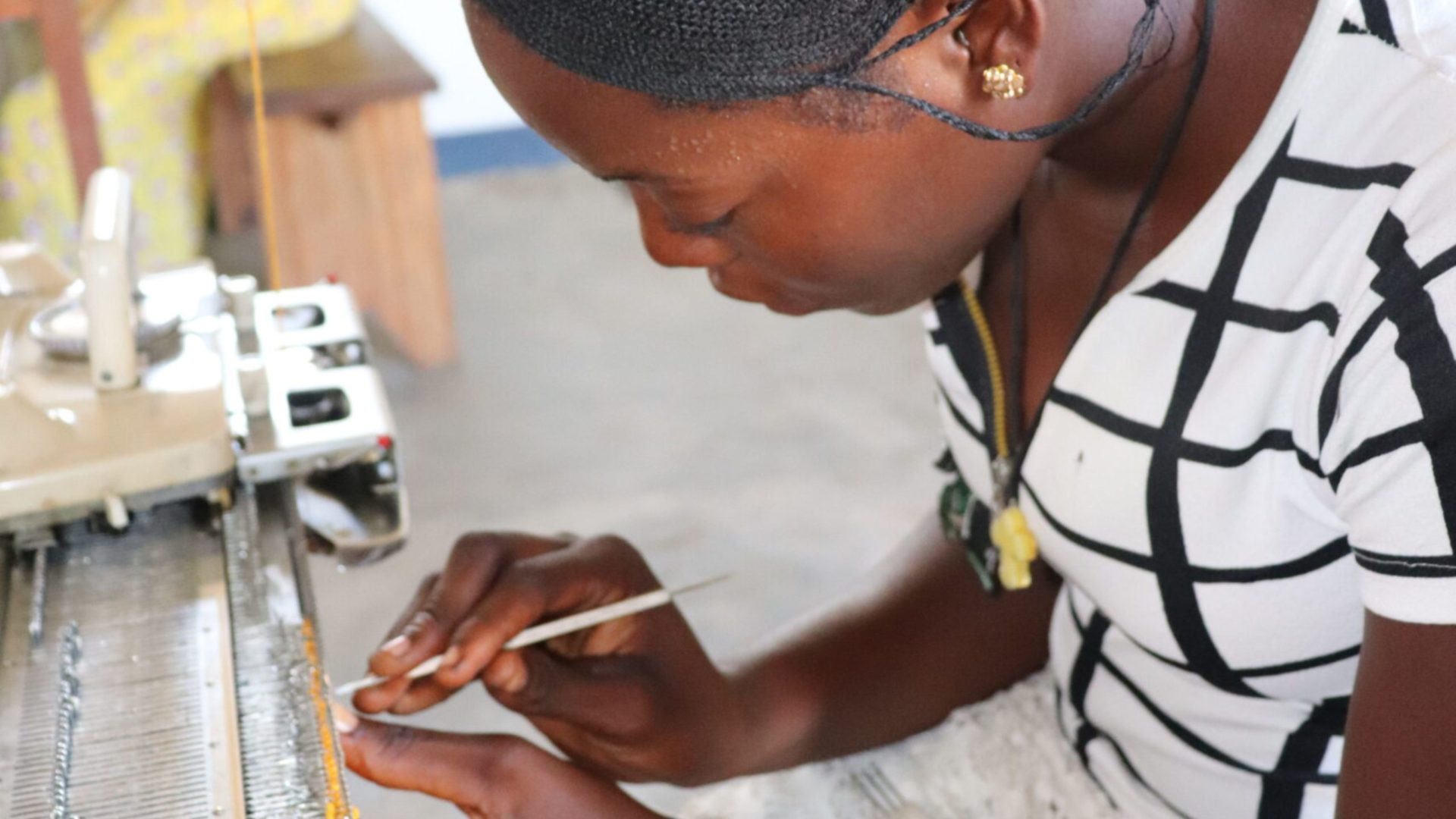
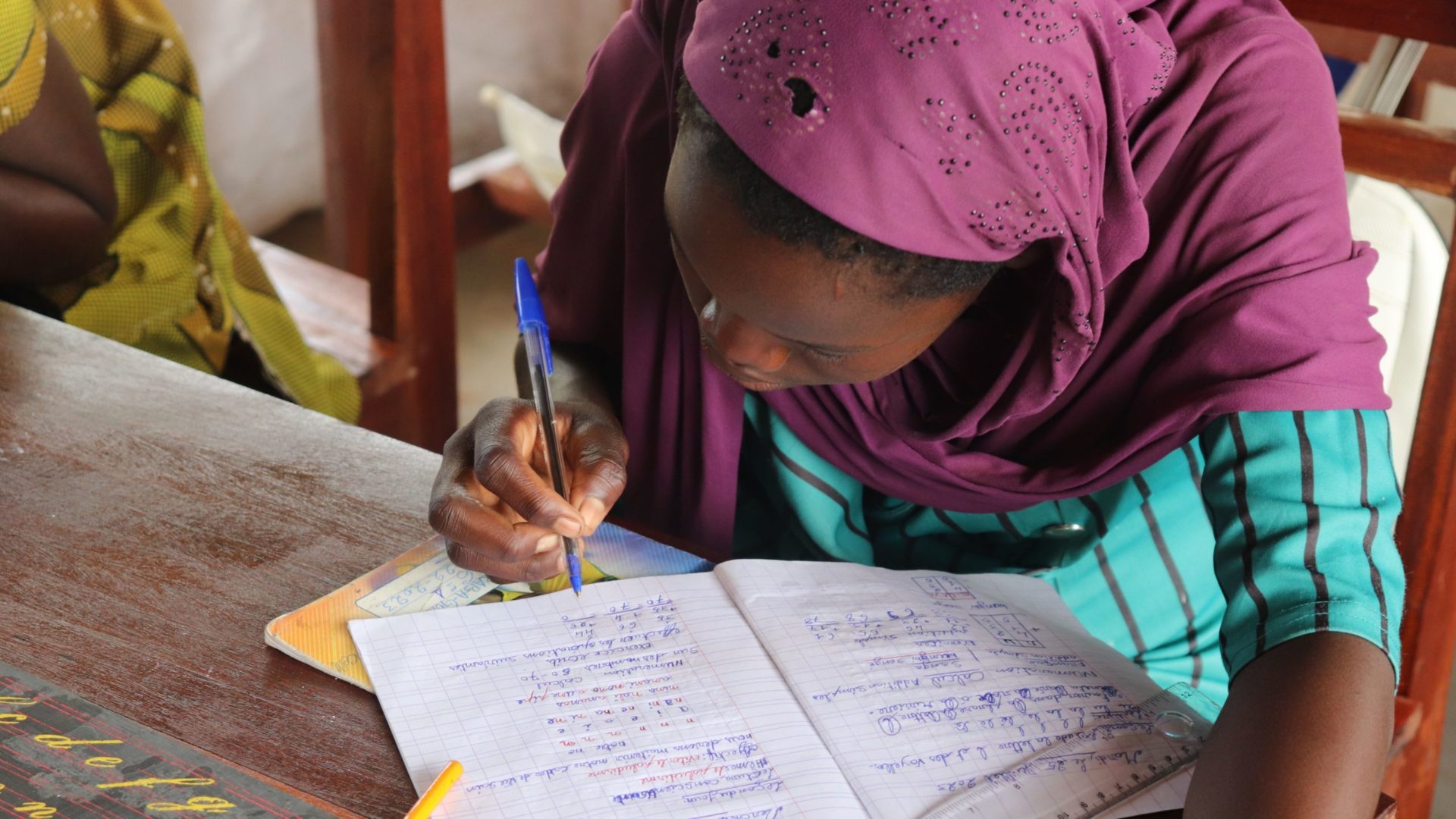
At the same time, in Bangui and Bouar, FSD teams deliver training and other activities aimed at strengthening women’s autonomy and supporting the most vulnerable people, including deaf girls and young women.
These interventions are implemented in close collaboration with national and local authorities and in coordination with international partners, including MINUSCA.
Concrete results contributing to stability
By combining socio-economic reintegration, improved mobility, reduction of risks linked to explosive remnants of war and strengthened local capacities, FSD is helping to create a safer and more enabling environment for community recovery in western Central African Republic.
Access to essential services and the resumption of economic activities are facilitated, while the active involvement of local communities strengthens livelihoods and social cohesion. The integration of environmental resilience measures and close coordination with authorities and partners further ensure that these actions are anchored in a sustainable, long-term approach.
Our impact in the Central African Republic (2024)
48
farmers trained in organic agriculture
14
deaf teenage girls trained in sewing